What exactly is an ELV system?
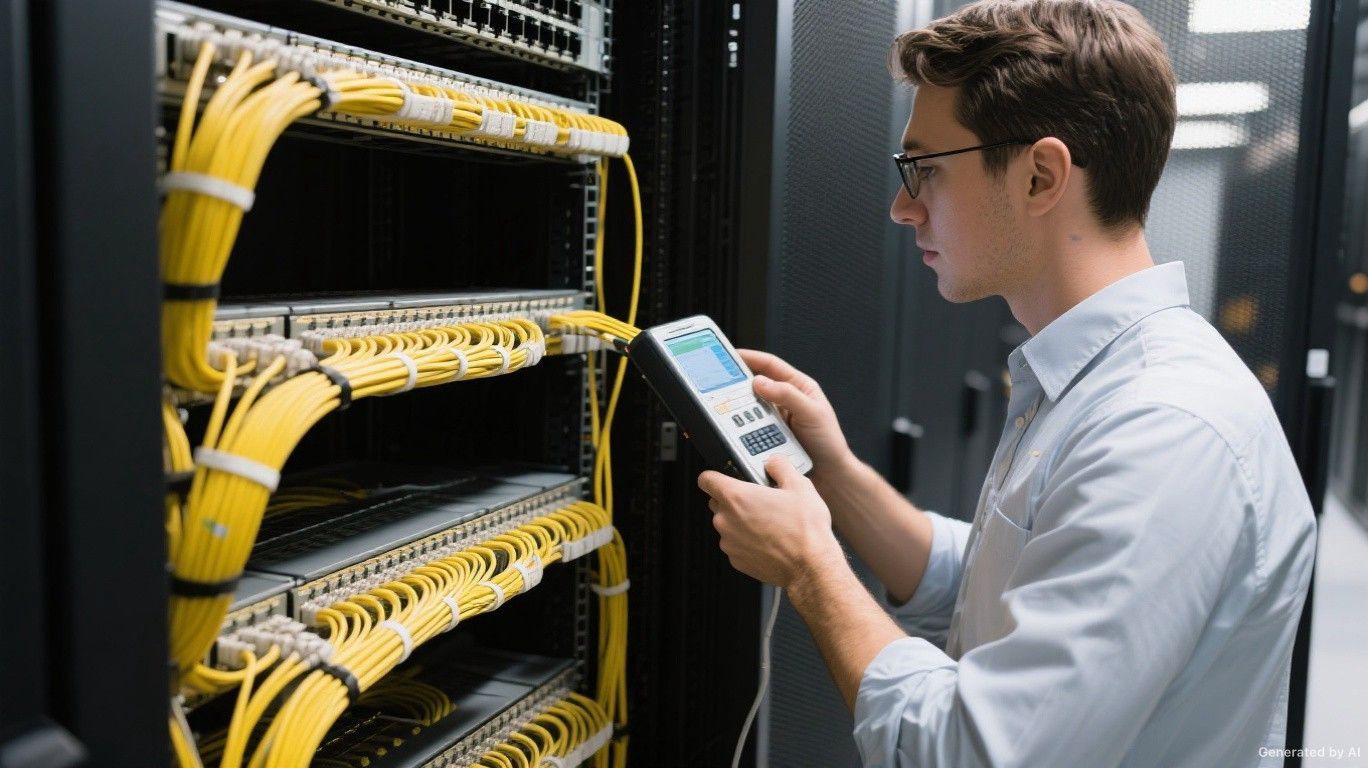
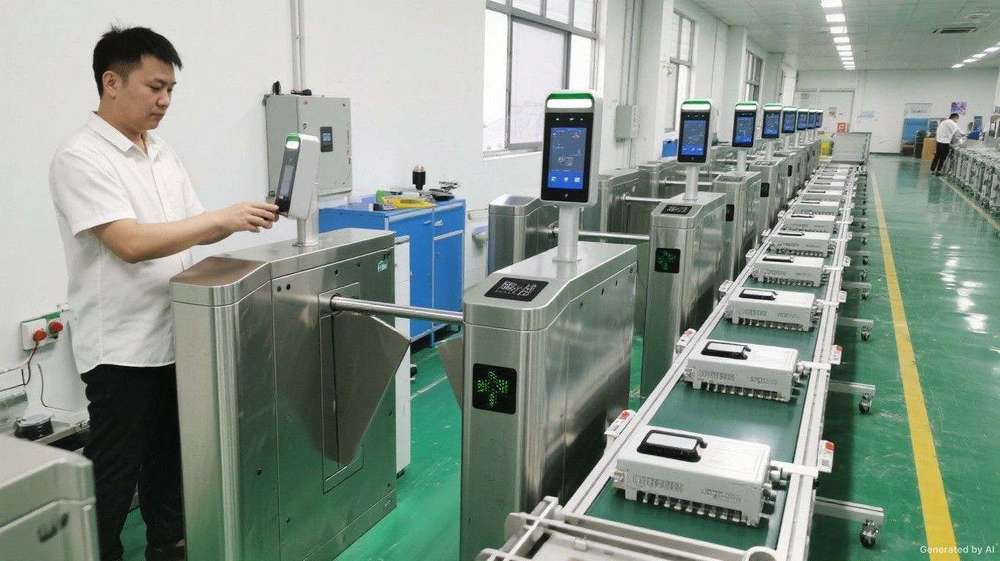
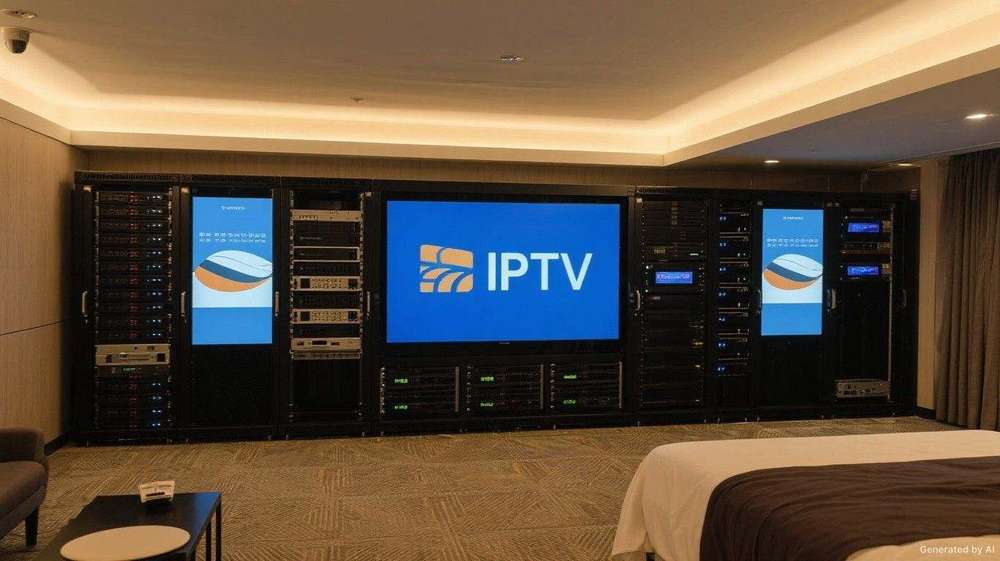
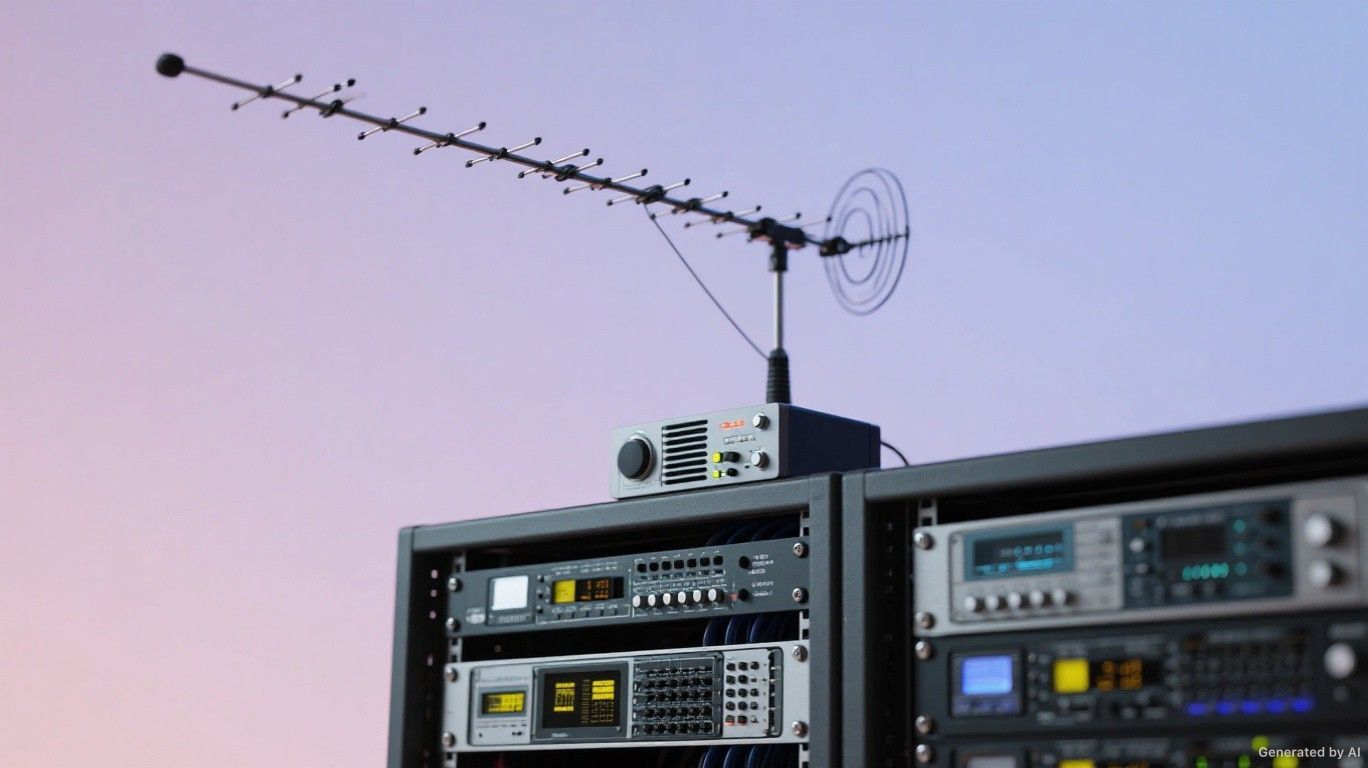
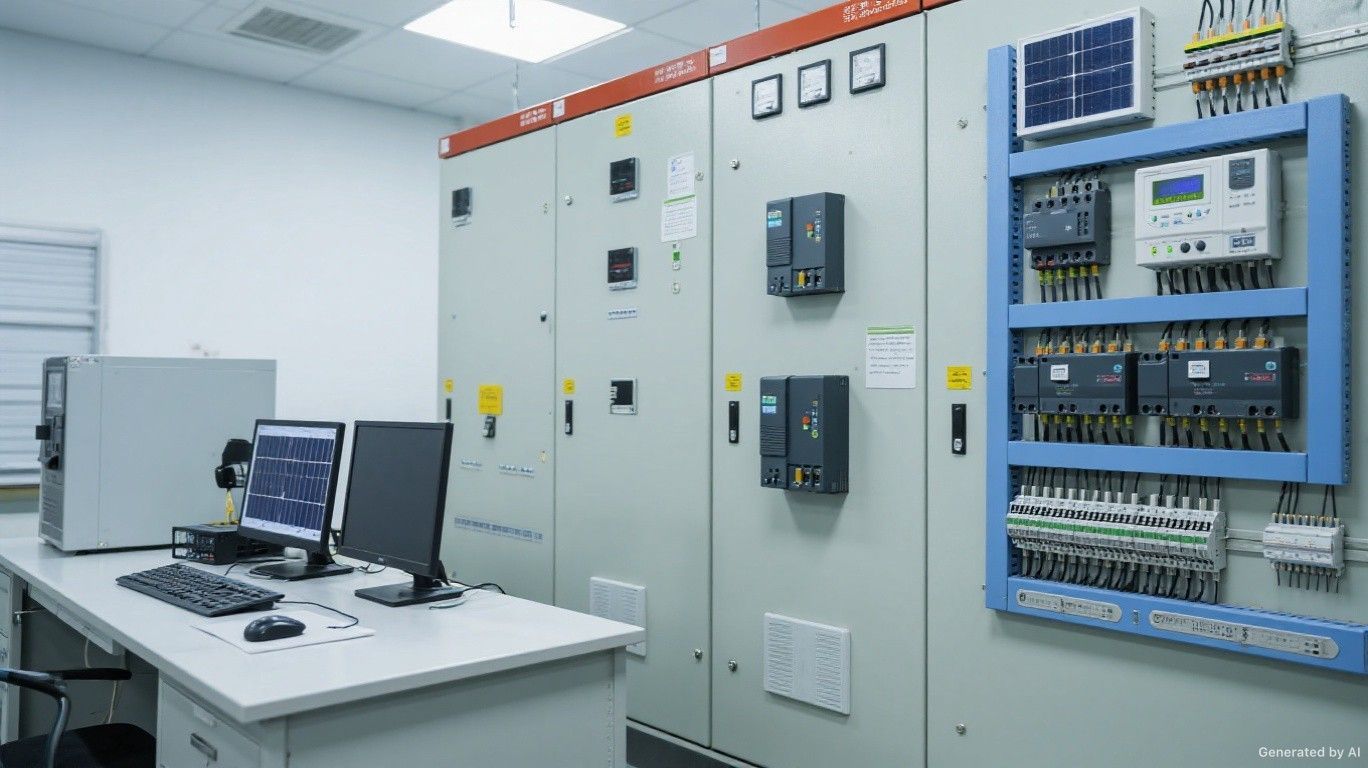
ELV stands for Extra Low Voltage. In building practice it means every low-current system that is not the mains power distribution: structured cabling, CCTV, access control, intercom and video door entry, intruder alarm, fire detection, public address, audio-visual and IPTV, Wi-Fi and network, room control, and the UPS or battery plant that keeps them alive during an outage. In other words: mains electrical wiring carries power to equipment; ELV carries signal, data and control between equipment. A hotel or commercial building usually has eight to twelve ELV subsystems, and they share containment, racks and cable routes — which is why buying them as one package is cheaper than buying them one at a time.
How much does an ELV system cost?
There is no per-square-metre number that survives contact with a real BOQ, because the cost drivers are the subsystem count, the room or door or camera count, the brand tier you specify, and how deeply the systems must integrate. What we can tell you is where the money goes: active hardware (cameras, controllers, readers, switches, servers, room controllers) is the largest block, followed by passive cabling and containment, then cabinets and power, then programming, configuration and commissioning. Cabling and containment are usually underestimated — they are set by the building, not by the brand. Send us your BOQ or drawings and we return a line-by-line budget with the China-side supply price and the integration scope separated, so you can see which part you are buying and which part you are installing.
Can you supply an ELV package for a hotel, or only individual products?
Both, but the package is where the value is. For a 200-500 room hotel we typically handle the subsystems shown on this page as one consolidated order: a single supplier shortlist, one sampling round, one pre-shipment inspection plan, and one shipment schedule tied to the site programme. That matters because ELV works are usually on the critical path — if the cabling does not arrive, the ceilings cannot close. We have run this pattern on a 500-room hotel ELV project in Africa; the case study on this site sets out the sequence and what went wrong when a subsystem arrived out of phase.
Do ELV products from China meet EU/UK/US requirements?
The hardware can, provided you specify it and inspect it. The compliance that matters depends on the subsystem: CE or UKCA marking with the applicable directives for anything sold into the EU or UK (EMC, LVD or RED for wireless products, RoHS and REACH for materials); IEC 62368-1 as the safety standard for audio/video and IT equipment; EN 50131 for intruder alarm equipment; EN 54 for fire detection; IEEE 802.3af/at/bt for PoE; ISO/IEC 11801 and TIA-568 for structured cabling performance classes; ONVIF for camera interoperability; and for the UK, the Product Security and Telecommunications Infrastructure regime applies to connectable products. We put the required standard list into the specification before sampling, and the inspection plan checks that the certificates match the models actually shipped — the most common failure we find is a certificate for the series, not for the model in the carton.
What should I send you to get an ELV quotation?
Four things, in this order of usefulness: (1) the BOQ or bill of quantities, or the drawings with a device schedule; (2) the room count by type (guest rooms, suites, meeting rooms, public areas, back-of-house), the door count by type, and camera positions; (3) any brand or standard you are contractually tied to, and whether alternates are allowed; (4) the site programme — when the first fix, ceiling closure and commissioning dates are. If you only have a design intent and no BOQ yet, send that: we can build the BOQ structure from your drawings and tell you which lines we need from you before pricing.
How do you inspect an ELV shipment before it leaves China?
ELV inspection is not a single AQL sample, because the risk is not uniform. We split it: cameras, readers, panels and switches get functional sampling with an ISO 2859-1 plan and a documented configuration audit against the approved firmware and settings; cabling gets reel-count, print-legibility and length verification because cable is where short-shipment hides; racks and enclosures get dimensional and finish checks against the drawing; and any subsystem with a burn-in requirement runs for the specified period before it is packed. The inspection report lists the models, serials or batch ranges and the test results, so your integrator can reconcile it against the delivery on site.