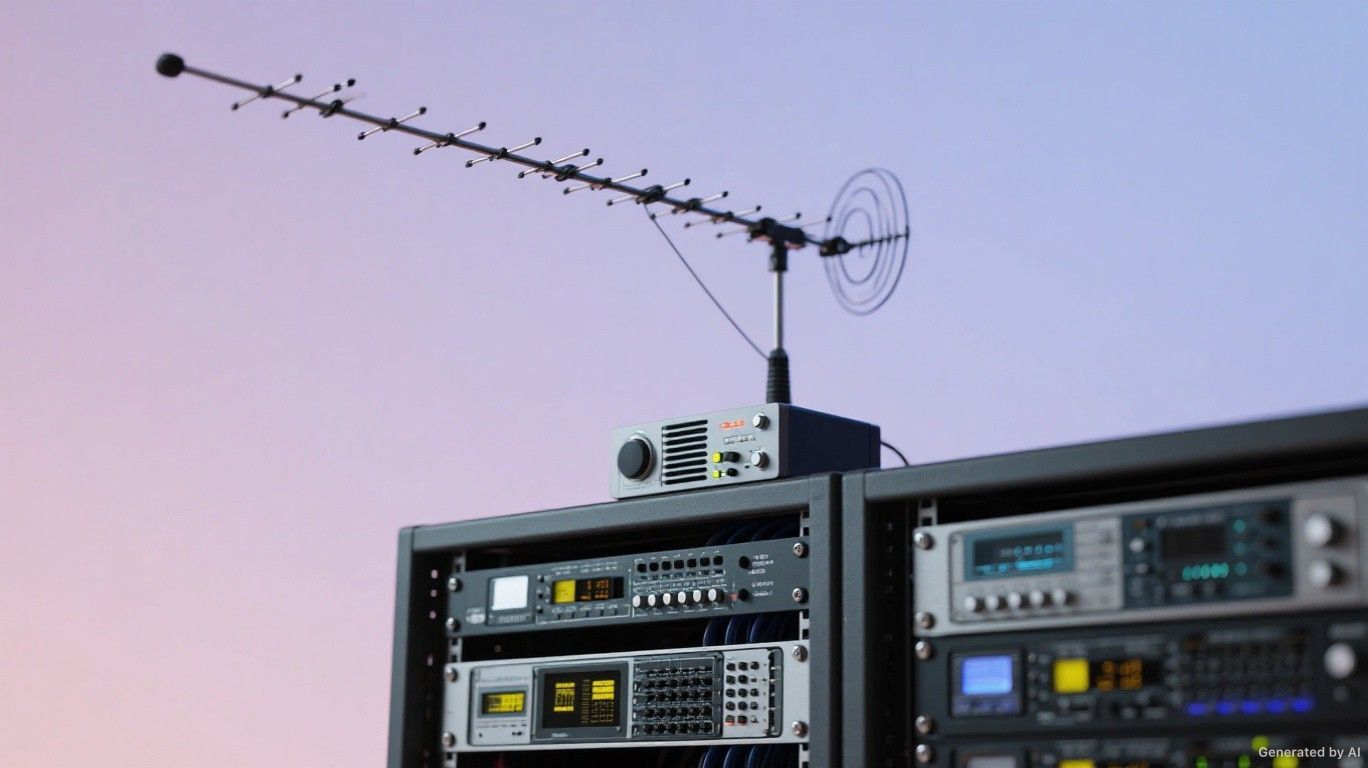

Most FM transmitter enquiries we see start with the same sentence: “I need a 1000W transmitter, what’s your best price?” That question cannot be answered usefully — because 1000W is not a specification, it is a number on a front panel. Two units both labelled 1000W can differ by a factor of two in what they actually deliver into an antenna, and the difference is invisible until the station is on air and the coverage does not match the licence.
This is one spoke of the ELV system cluster we run for hotels and commercial buildings — the overview page explains how the subsystems are combined.
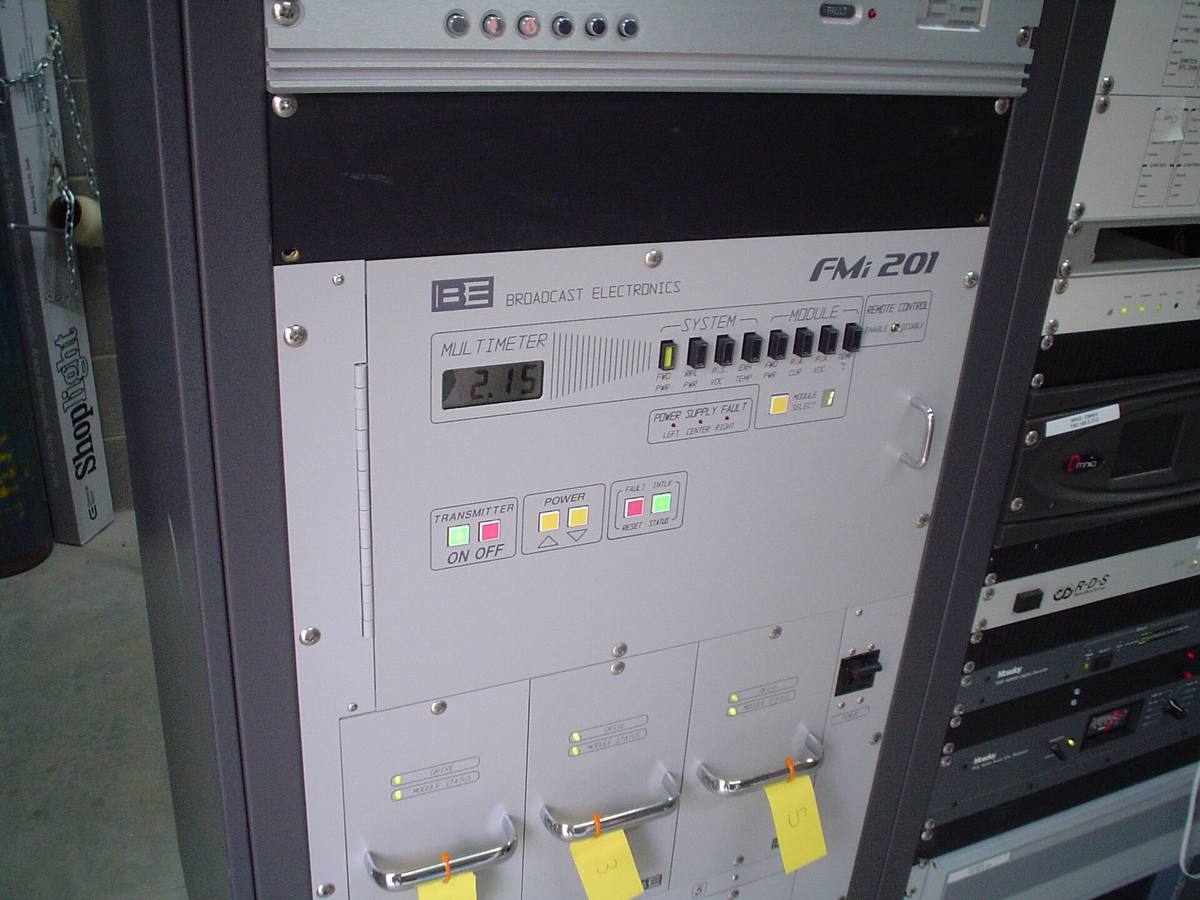
This guide covers how professional buyers source FM transmitters from China: how to size the power class properly, which datasheet numbers are real and which are decoration, what certification actually has to say, the factory acceptance test that separates a serious manufacturer from an assembler, and the rest of the bill of materials that has to arrive with the transmitter.
1. Size the power class from coverage first, not from the box
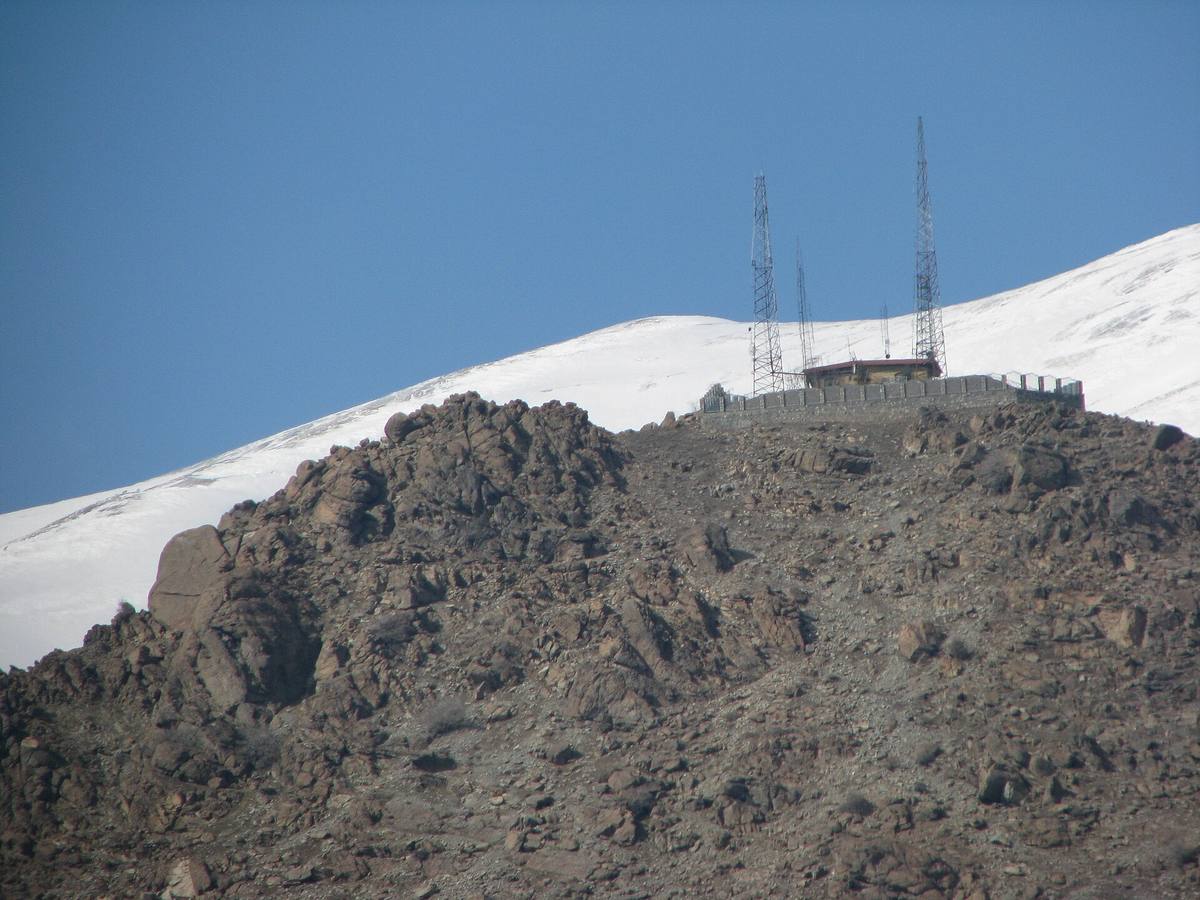
The transmitter is the last decision, not the first. Work backwards:
| Step | What you calculate | Why it decides the transmitter |
|---|---|---|
| 1. Licence | Licensed frequency, ERP (effective radiated power) and antenna height | Your regulator licences ERP, not transmitter output — the antenna system converts between them |
| 2. Antenna gain | Gain in dBd/dBi at your licensed frequency | A 6 dBd array means the transmitter only needs roughly a quarter of the ERP |
| 3. Feeder loss | Cable loss over your run, plus connector and combiner losses | 50 m of lossy feeder can eat 3–5 dB — that is paid for twice: once in the transmitter, once in electricity |
| 4. Location | Urban dense, suburban, rural, coastal, mountainous | Terrain changes the ERP needed for the same km of coverage by a large margin |
| 5. Transmitter output | ERP − antenna gain + feeder loss = required output | This is the only number you should be quoting to suppliers |
A worked example. Licensed ERP 1,000 W, antenna gain 4 dBd, feeder and connector loss 2 dB. Required transmitter output = 1,000 W ÷ 2.5 (4 dBd ≈ 2.5×) × 1.6 (2 dB loss) ≈ 640 W. So a 1 kW class unit is right — but a buyer who skipped these steps would have ordered 1,000 W and paid for 36% more transmitter than the licence requires, plus the extra electricity for the life of the station.
Two practical consequences:
- Underbuying is worse than overbuying. A transmitter run continuously at its maximum rating ages faster than one with headroom. If your calculation lands at 640 W, 1 kW is not waste — it is margin.
- Overbuying has a hard limit. Beyond a point you are spending on mains power and cooling, and the extra output cannot be used because your licence caps ERP.
2. The datasheet numbers that matter (and the ones that are decoration)
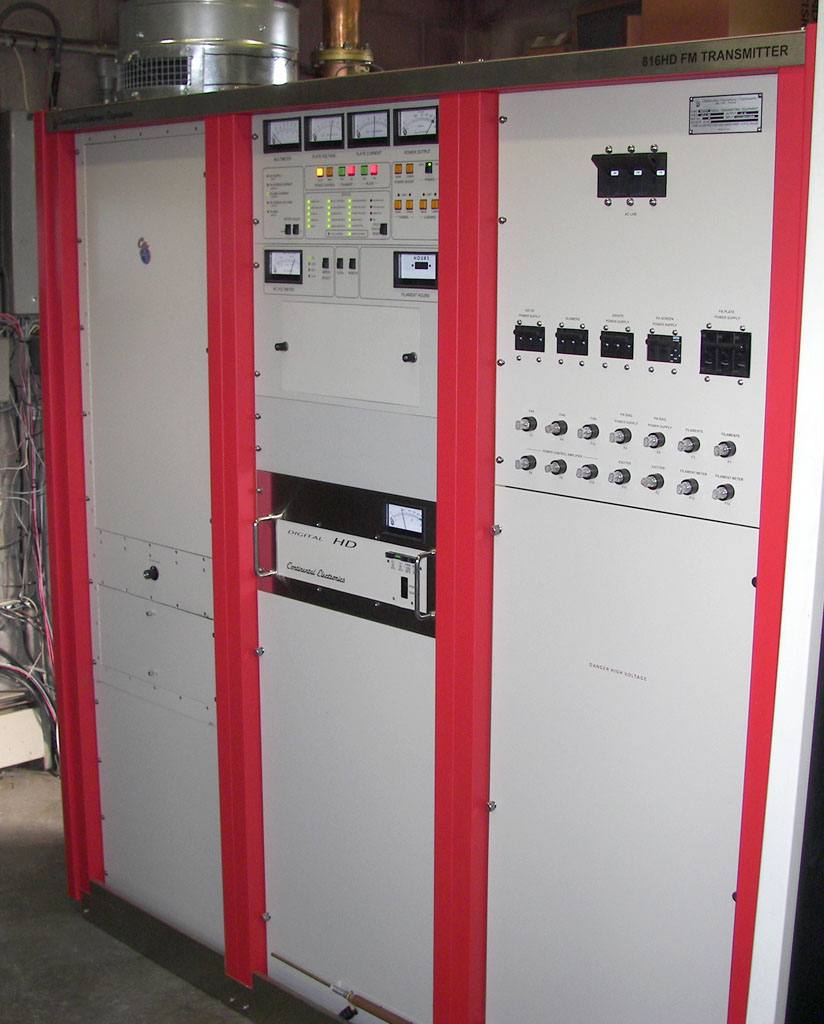
This is where most of the money is lost. An FM transmitter datasheet from a Chinese factory typically lists eight to twelve figures. Four of them decide whether the product works.
| Datasheet figure | What it usually means | What you should require |
|---|---|---|
| “1000W” output | Frequently a peak or “maximum” figure measured momentarily, sometimes at a single frequency with ideal load | Rated output power, continuous, into 50 Ω at your licensed frequency, with the AC input voltage at the low end of your mains tolerance |
| Efficiency | Often quoted at full rated power only | AC-to-RF efficiency at the power you will actually run, so you can size the mains supply and cooling |
| Frequency range | “87.5–108 MHz” is a band, not an accuracy | Frequency stability in ppm and the step size of the synthesiser (a 100 kHz or finer step matters for crowded dials) |
| Harmonics / spurious | Rarely listed at all | Harmonic and spurious suppression in dBc, measured, because this is what a regulator tests and what interferes with other services |
| VSWR protection | “Yes” | The VSWR threshold and what the unit does — fold back, mute, or shut down — and whether it recovers automatically |
| Cooling | “Forced air” | Airflow requirement, ambient temperature rating, and whether the fan is field-replaceable |
The one test that resolves most doubts. Ask the supplier to run your unit at rated power into a dummy load for a stated period — we ask for a 2-hour continuous run at rated power — and to send a photo of the power meter and spectrum analyser at the 15-minute and 120-minute marks. A unit that holds rated power for two hours with stable readings is a different product from one that holds it for fifteen minutes. Units that cannot pass this are not rare, and the request costs the factory only an afternoon.
On “peak” vs “rated”. If a supplier answers “1000W is the peak, rated is 700W”, that is not dishonesty — it is a different product class at a different price. The problem is buyers comparing a 1000W peak quote against a 700W rated quote and choosing on the number. Always normalise to rated continuous output at your frequency before comparing quotes.
3. Certification and frequency legality
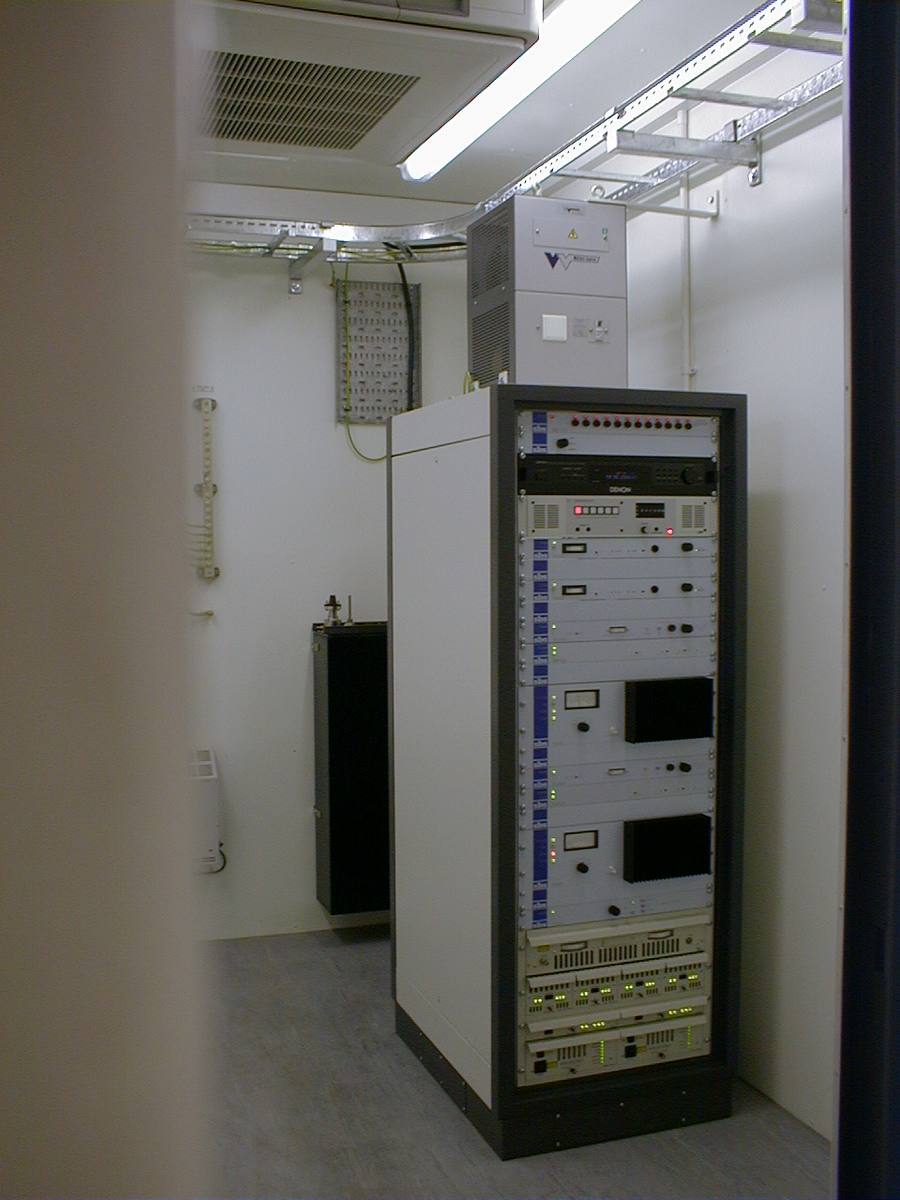
Two separate questions, often confused.
Product certification covers the equipment as an article of commerce: electrical safety, EMC, and hazardous substances. Relevant marks include CE for the EU, FCC for the United States, RoHS for restricted substances, and country-specific equivalents. Ask for the test report, not just the certificate image — a report shows the model, the standards applied, the test laboratory and the actual measurements. Check that the model number on the report matches the model you are buying: “series” approvals that cover a range of powers are common, and the report should list the variant you are ordering.
Frequency legality is different and is entirely the operator’s responsibility. A transmitter that is CE-marked for the product can still be illegal to operate at your frequency and power in your country. Before you commit:
- Confirm the frequency band, channel spacing and maximum permitted power in your jurisdiction, and that the unit can be configured to them.
- Ask whether the unit is locked or lockable to the licensed frequency, and who holds the unlock procedure. Some regulators require that operators cannot drift outside the assigned channel.
- Ask about audio input and RDS support if your licence requires programme identification or traffic data.
- If you are importing into a country with type approval for broadcast equipment, ask whether the factory has ever obtained that approval — and get the file number if so. Factories that export into regulated markets usually can; factories that only sell domestically often cannot.
A practical note on power claims in marketing. Broadcast equipment is marketed internationally with figures that are sometimes generous. This is exactly why the acceptance test in section 4 matters more than any certificate: certification proves the product category, the test proves the individual unit.
4. Factory acceptance test (FAT): what to require before shipment

A transmitter is too heavy, too expensive and too disruptive to return. Test it at the factory. We specify this test for every broadcast unit that ships through us, and we attend it or supervise it remotely.
| Test | Equipment needed | Pass criterion |
|---|---|---|
| Rated power, continuous | Dummy load + calibrated through-line power meter | Rated output held for 2 hours; drift within the manufacturer’s tolerance |
| Frequency & stability | Frequency counter or spectrum analyser | On the assigned frequency; stability within the stated ppm over the run |
| Harmonics & spurious | Spectrum analyser | Within the dBc limits stated on the datasheet — the figure the regulator will measure |
| VSWR / protection | Adjustable mismatch load | At the stated threshold the unit folds back or mutes, and recovers when the mismatch is removed |
| Audio path | Signal generator + audio analyser | Frequency response, distortion and separation within spec across the audio band |
| Thermal | Ambient temperature measurement | No thermal shutdown at the declared ambient; cabinet temperature stable |
| AC tolerance | Variable AC supply | Rated output maintained at the low end of your mains tolerance |
| BOM check | Packing list | Modules, spares, connectors, manuals and any monitoring/remote-control option all present and matching the PO |
Two things make this test worth the effort:
- It finds the mislabelled unit before it leaves China. A unit that cannot hold rated power for two hours is found at the factory, where the fix costs the supplier money — not at your site, where it costs you a shutdown.
- It creates the baseline. The photo and measurement set from the factory becomes the reference for the installation. When something changes on air six months later, you know what “normal” looked like.
5. The rest of the bill of materials
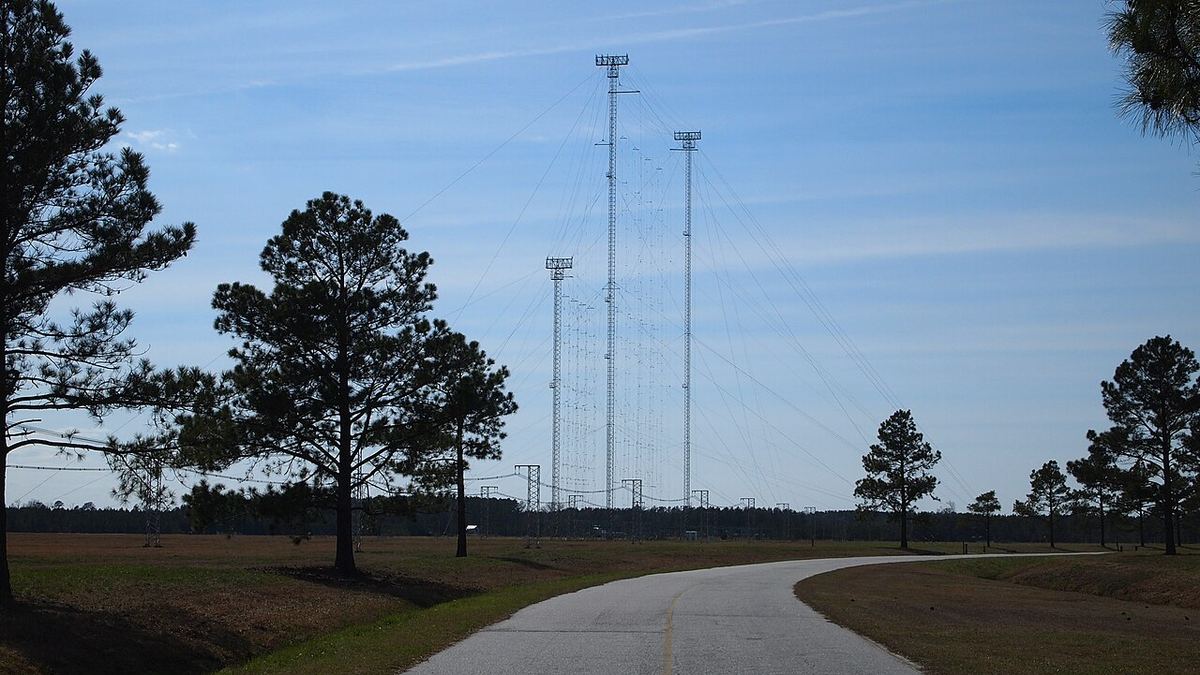
Buyers routinely budget for the transmitter and then discover the installation costs as much again. The complete item list for a single-transmitter FM station:
- Transmitter with the options you actually need (stereo encoder, RDS, audio backup/changeover, remote control interface)
- Antenna — gain, pattern (omnidirectional or directional), polarisation, and the mounting arrangement for your mast or tower
- Feeder — the right impedance and the loss figure you used in the sizing calculation, with the connectors matched to both ends. Do not let the feeder be a late substitution: a cheaper cable with 1.5 dB more loss changes your coverage.
- Lightning and surge protection for the feeder, the mains and the audio lines — mandatory on an exposed site and cheap compared with a replacement transmitter
- Cabinet or rack with the airflow the transmitter needs, plus dust filtration if the site is not clean
- Cooling appropriate to your climate, including air conditioning if the rack room is enclosed
- Mains supply sized from the AC-to-RF efficiency at your operating power, with the correct protection
- Monitoring — forward/reflected power, audio silence detection, and something that alerts you rather than waiting for a listener to call
- Spares — a fan, a fuse set, and any module the factory identifies as the most likely field failure
Ordering the antenna and feeder from the same supplier as the transmitter is usually the right call: the factory that knows the transmitter’s exact output stage is in a better position to specify a matched antenna system than a buyer comparing gain figures in isolation.
6. Six questions to ask before you send a deposit
- “What is the rated continuous output at my frequency, measured into 50 Ω?” If the answer is a peak number or a range, ask again until it is one figure at one frequency.
- “Can you run it two hours at rated power into a dummy load and send the meter readings?” A factory that does this routinely answers immediately. A factory that does not will change the subject.
- “Which certification reports cover the exact model I am ordering?” Ask for the reports, and check the model number.
- “Have you exported this model to my country, and can you get it approved here?” Ask for the file or approval reference where one exists.
- “What happens at VSWR protection, and does it recover automatically?” The answer tells you whether the designer thought about a real antenna in rain and wind.
- “Can we run the acceptance test with our own inspector present, or one we appoint?” The willingness to be tested is the strongest signal that the rated figure is real.
Common traps in FM transmitter sourcing
- Comparing a peak rating against a rated rating. Normalise every quote to continuous rated output at your frequency.
- Letting the feeder be substituted after the quote. A cheaper cable changes coverage; specify the loss figure, not just the cable type.
- Skipping the acceptance test because the supplier has “exported for years”. History is a reason to expect a pass, not a reason to skip the test.
- Assuming CE covers operation. It covers the product as an article of commerce, not your frequency assignment.
- Buying the transmitter before the antenna system is planned. The antenna and feeder determine the transmitter, not the reverse.
- No lightning protection. On an exposed site this is not optional; it is the cheapest insurance in the project.
FAQ: FM transmitter sourcing questions
What does an FM broadcast transmitter cost in China? It depends almost entirely on power class and build: a low-power unit in the tens to low hundreds of watts sits in a very different bracket from a multi-kilowatt solid-state transmitter with redundancy. The professional approach is to price the complete installed system — transmitter, antenna, feeder, protection, monitoring — and to compare quotes at the same rated output and the same options, rather than comparing a transmitter price in isolation. Send us your licensed ERP and antenna plan and we will quote fabricated and tested units at your power class.
Is a Chinese FM transmitter reliable enough for continuous broadcast? Yes, from manufacturers who build for export and who will run a rated-power test. The determining factor is not the country of manufacture but whether the unit was specified at a realistic power level, whether the cooling and mains supply are correct, and whether it was tested before shipment. Units run at their maximum rating with inadequate airflow fail; the same units run with headroom and clean power last for years.
What is the difference between rated power and peak power on a transmitter datasheet? Rated power is the output the unit can deliver continuously; peak power is a momentary maximum. Broadcast regulators measure continuous output and stability, so the rated figure is the one that governs coverage and compliance. Always ask for rated continuous output at your licensed frequency, into a matched load, at the low end of your mains tolerance.
Do I need certification for a transmitter if I am the licensed operator? You need the product to comply with the safety and EMC rules of your market — that is what CE, FCC and equivalent marks address. Separately, your right to operate at a frequency and power comes from your licence, not from the product certificate. Ask for both: the test reports for the product, and confirmation the unit can be configured and locked to your assigned parameters.
What is a factory acceptance test for a transmitter and is it worth it? It is a measured run of your unit at the factory before shipment: rated power into a dummy load for a set period, frequency and stability, harmonics and spurious, VSWR protection behaviour, audio performance, and a bill-of-materials check. It is worth it because a transmitter is expensive to return, and because the acceptance test is the only step that proves the individual unit — as opposed to the product category — meets the specification.
Can one supplier handle the transmitter, antenna and installation hardware together? It is usually the better route. Antenna selection depends on the transmitter’s output stage and your licence, feeder loss feeds back into the transmitter sizing, and a single supplier removes the finger-pointing when coverage does not match the plan. For a complete station we consolidate the transmitter, antenna system, feeder, protection, rack and monitoring into one order, one inspection and one shipment.
Next step: send us your licence parameters
We source broadcast and AV equipment for operators, integrators and system builders: FM transmitters, antennas and RF, IPTV headends and set-top boxes, studio and conference systems. Tell us your licensed ERP, frequency and antenna plan — or just the rough coverage you need — and we will come back with the power class, the matched antenna system, and a quotation on fabricated and tested units, with a factory acceptance test included as standard.
👉 WeChat / WhatsApp: +86 139 2270 2227 | Email: sales@cantonmade.com
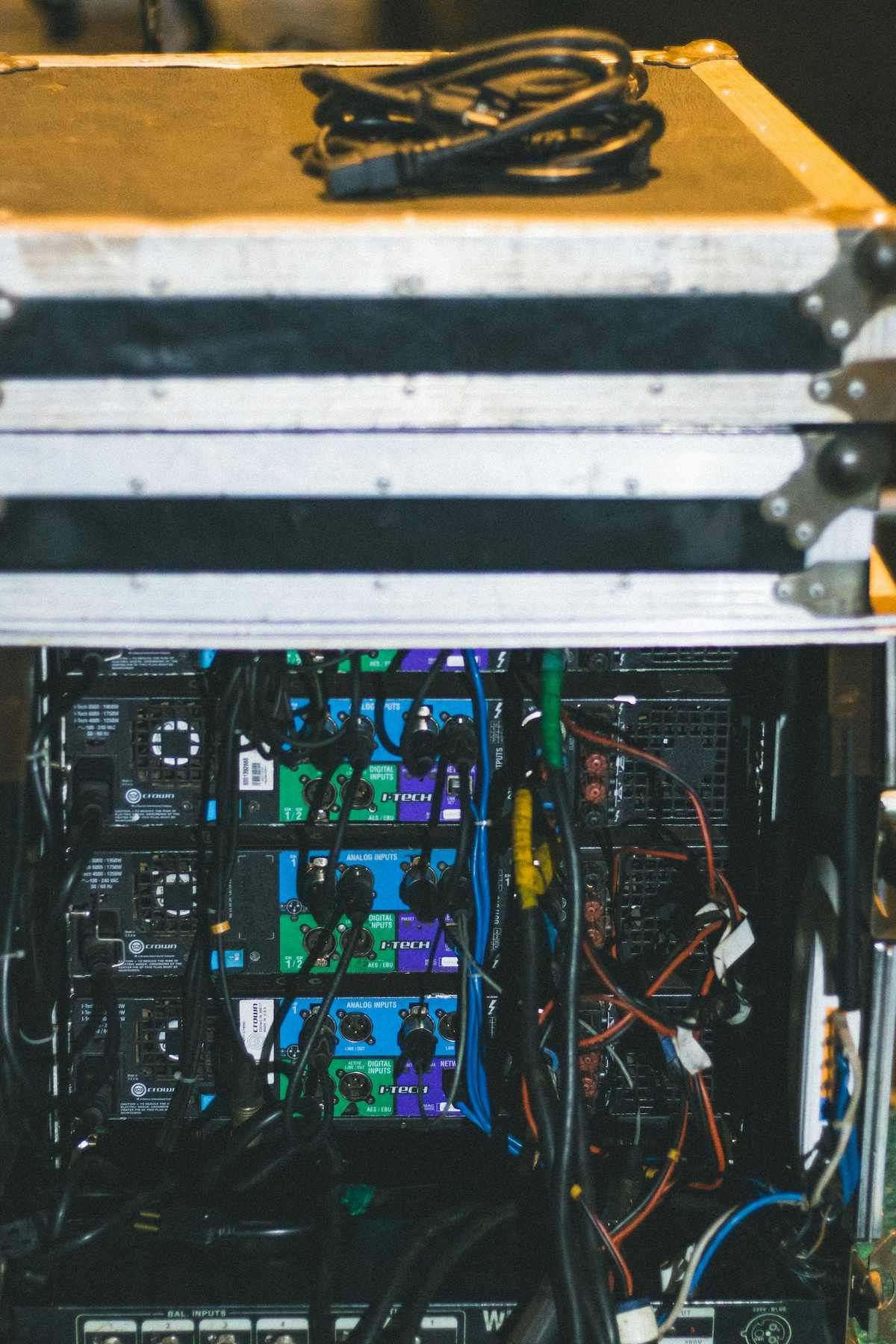
Photo credits (Wikimedia Commons): FM transmitter (1 kW) — CC0, Davidbstanley; Broadcast antenna tower — CC BY 3.0, Behrooz Rezvani; RF spectrum measurement — CC BY-SA 3.0, Colling-architektur; FM transmitter rack — CC BY 3.0, MrChrome at English Wikipedia; High-power FM transmitter — CC BY-SA 3.0, Necrat. All other images are our own project photos.