
A factory audit that consists of walking through a clean building and nodding at a production line tells you almost nothing about whether the factory can build the camera you specified.
This is one spoke of the ELV system cluster we run for hotels and commercial buildings — the overview page explains how the subsystems are combined.
The audit that matters is a test sequence. On a 5MP PTZ camera, that means verifying eight things — some in the lab, some on the line, some with a screwdriver — before you place the order. Here is what each one looks like in practice.
Test 1: Identify the Actual Image Sensor
The sensor determines low-light performance, dynamic range and how much of the “5MP” is real. Marketing material says “5MP CMOS.” The audit needs the sensor’s actual identity:
- Check the sensor part number. The most reliable method is physical: open a unit and read the sensor’s marking, or ask for the sensor’s datasheet reference and the incoming inspection record that traces it.
- Confirm the format. A 1/2.8” 5MP sensor and a 1/3” 5MP sensor are different products with different light-gathering area — and they behave very differently at night, even though both are “5MP.”
- Test low-light response side by side. Put the candidate camera next to a known-good reference unit in dim conditions and compare the same scene. This single test catches sensor downgrades faster than any datasheet.
Why it matters commercially: sensor substitution is one of the most common ways a quotation is made to look cheaper. If the specification says “5MP with 1/2.8” sensor,” the audit is how you check it.
Test 2: Verify the Control Chip (SoC)
The system-on-chip decides encoding, AI features and stream handling:
- Encoding support — H.265 capability with the bitrate profile you were promised; a chip that only does H.264 in practice will double your storage requirement
- Channel and stream handling — how many simultaneous streams (main, sub, third) the unit can serve to NVR, VMS and mobile clients at once
- AI features — if the specification includes human/vehicle detection, confirm which functions run on the camera and which are done by the recorder; this changes the whole system architecture
- Interface — the chip’s supported sensor resolutions and interfaces should match the sensor actually fitted
Ask the factory to show the chip on a bare board (not just the finished housing). A factory that builds the product can show you the board; one that rebrands will get uncomfortable at this request.
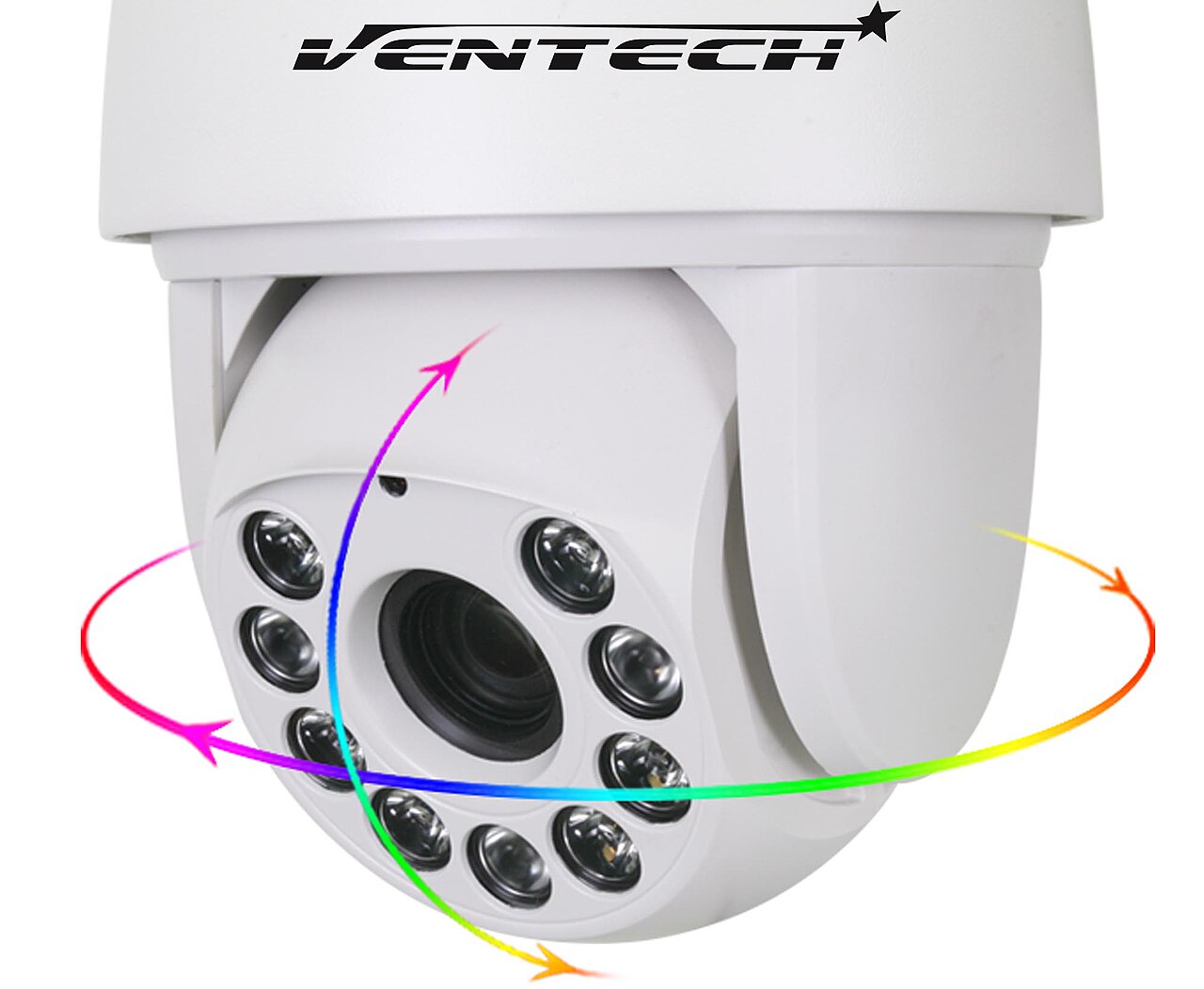
Test 3: Load-Test the PTZ Mechanism
A PTZ camera is a mechanical device as much as an electronic one — and the mechanism is where cheaper units fail first.
| What to test | Why it matters |
|---|---|
| Pan/tilt range | Verify the advertised range (e.g. 360° pan, −15° to +90° tilt) on the actual unit |
| Preset accuracy | Command a preset ten times; a drifting preset means a worn or low-grade encoder |
| Speed and smoothness | Check both slow-tracking and fast-slew movement, and listen for gear noise |
| Continuous rotation | Left running for an extended period, does the mechanism heat up, slow down or lose accuracy? |
| Construction | Gear material and bearing quality determine service life far more than the motor |
If the unit is destined for a hotel entrance or parking area, this is the single most valuable test in the audit — because replacing a PTZ camera at 8 meters on a facade costs far more than the camera.
Test 4: Verify Sealing and Impact Ratings (IP66 / IK10)
Outdoor units live or die on their sealing:
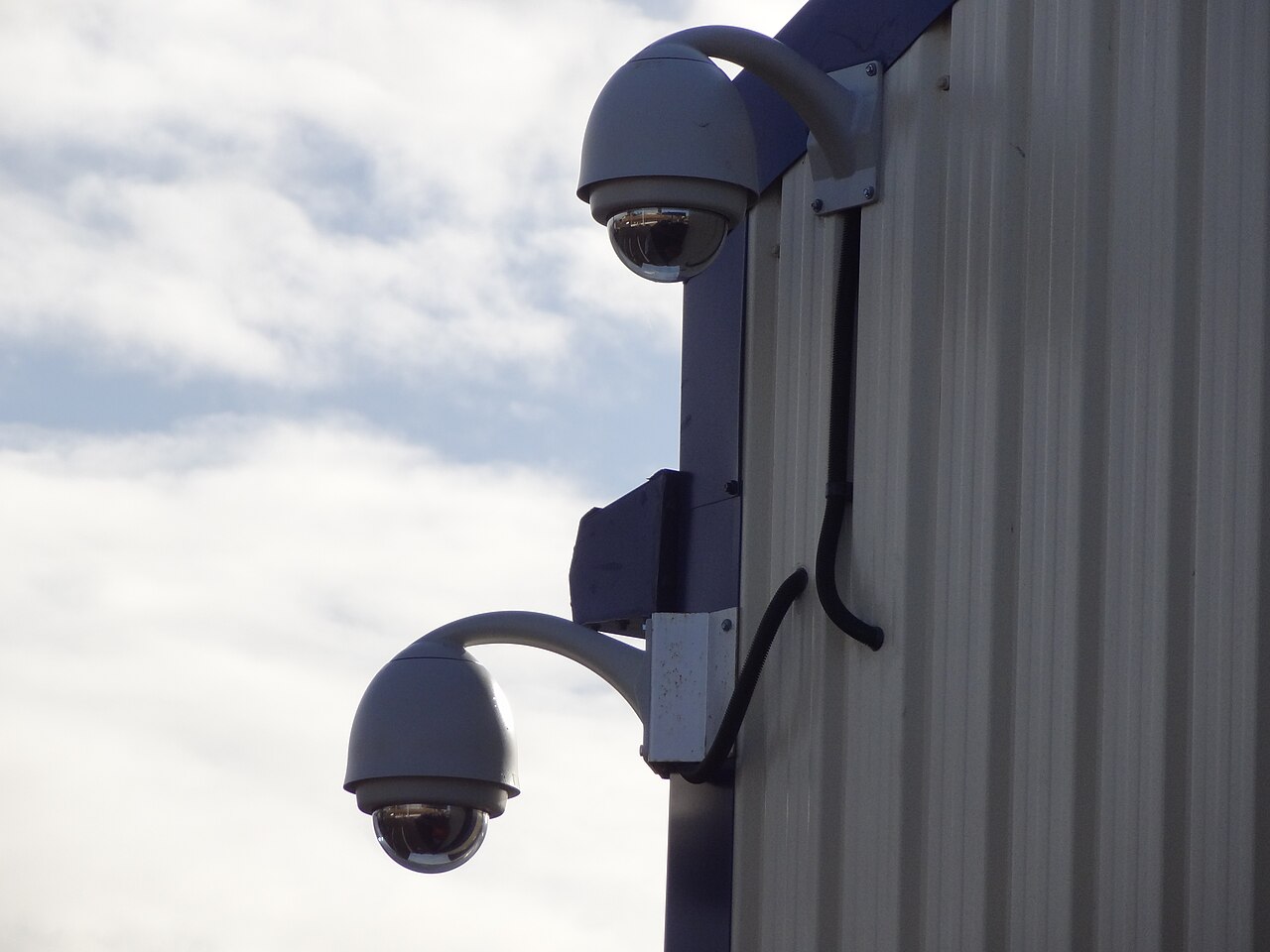
- IP66 (dust-tight, protected against powerful water jets) is the realistic minimum for exposed installations. Ask to see the test reference, and inspect the gasket and sealing design yourself.
- IK10 (10 joule impact resistance) covers vandal resistance — check the housing material and thickness, not just the claim.
- Look at the details: cable gland design, seal compression, screws and their corrosion treatment, and whether the unit can be opened for service without destroying the gasket.
- Practical test: with the unit sealed and powered, expose it to a water jet in a controlled area and check for ingress at the gasket line and cable entry — the two points where water actually gets in.
A camera that fails sealing does not fail gracefully: it fails after the rainy season, out of warranty, on a pole.
Test 5: Check Surge and Lightning Protection
For outdoor runs, surge protection is a specification with real cost consequences:
- Identify the protection components on the power and network paths (surge-protection devices at the interface, not just a claim in the datasheet)
- Ask for the surge rating and whether it applies to PoE, network, and alarm I/O separately
- Confirm grounding provision — how the unit is meant to be grounded in the installation
In regions with frequent lightning, this is often the difference between one camera replacement and a whole-floor event.
Test 6: Measure Night-Vision Performance
“IR distance: 100 m” on a datasheet is a marketing number. What to actually check:
- IR-cut filter behaviour — the mechanical switch between day and night modes should be clean and fast; a stuck filter produces colour-cast black-and-white footage
- Real illumination at distance — test in a dark space and check recognisable detail at the distance your application needs, not at the maximum the IR LEDs can theoretically reach
- IR reflection and lens quality — dust or poor coating inside the lens assembly shows up as glare and haze at night
- Low-light colour performance — if the system needs colour at night, that requires a sensor and firmware tuned for it, not just more IR
Test 7: Confirm PoE and Power Behaviour
PTZ cameras are among the hungriest PoE devices, especially with heaters:
- Which PoE class does the unit actually require (af / at / bt), and what is the peak draw during PTZ movement plus heater operation?
- PoE negotiation — does the camera negotiate power correctly with the switch, or does it draw beyond its class and cause port shutdowns?
- Cold-weather behaviour — where heaters are specified, confirm the heater’s power budget is included in the PoE calculation
This test links directly to the switch specification: a PTZ camera that browns out on a budget switch will look like a camera fault, and you will spend a week chasing the wrong component.
Test 8: Lens and Zoom Quality
- Optical zoom vs. digital — confirm the advertised zoom factor is optical, and check sharpness at maximum zoom (edge softness is common)
- Focus speed and accuracy — how long does autofocus take when moving between near and far subjects?
- Chromatic aberration and distortion — visible at high zoom and wide angles, and unfixable after purchase
- Lens assembly cleanliness — inspect for dust or residue inside the assembly, which becomes a permanent night-time problem
Red Flags in the Audit
Beyond the tests, these observations separate manufacturers from repackagers:
- No test equipment on site — no aging racks, no PoE load banks, no dark room: how is QC being done?
- Refusal to open a unit — if you cannot see the board, you cannot verify the sensor or chip
- Sample ≠ production — insist on testing units drawn from production, not a hand-made sample
- Datasheet inconsistencies — the same model listed with different sensors, chips or IR distances across documents
- No traceability — no incoming component inspection records, no serial-level test logs
- No capacity answer — a factory that cannot tell you monthly capacity for your model cannot commit to your delivery date
Audit Checklist: 5MP PTZ Camera
- Sensor identified physically; format and resolution match the specification
- Control chip verified on the board; H.265 and stream count as specified
- PTZ mechanism load-tested: range, preset accuracy, noise, sustained operation
- Sealing verified to IP66 or better; gaskets and cable entry inspected
- Impact rating (IK10 or as specified) confirmed by housing construction
- Surge protection identified on power and network paths
- Night vision measured in a dark environment, not quoted from a datasheet
- PoE class and peak draw confirmed, including heaters where fitted
- Lens quality checked at maximum zoom, including edge sharpness
- Production sample tested — never the showroom unit
Let Us Do the Audit for You
We physically audit CCTV and network equipment factories on behalf of buyers — sensor and chip verification, PTZ load tests, sealing and surge checks, night-vision measurement, and pre-shipment testing on production units. Every test is recorded and reported, so you know what is in the box before it ships.
Send us your camera specification and quantity — we will tell you which factories can build it, and prove it with test evidence.
👉 Contact our sourcing team or see how our product sourcing service works.