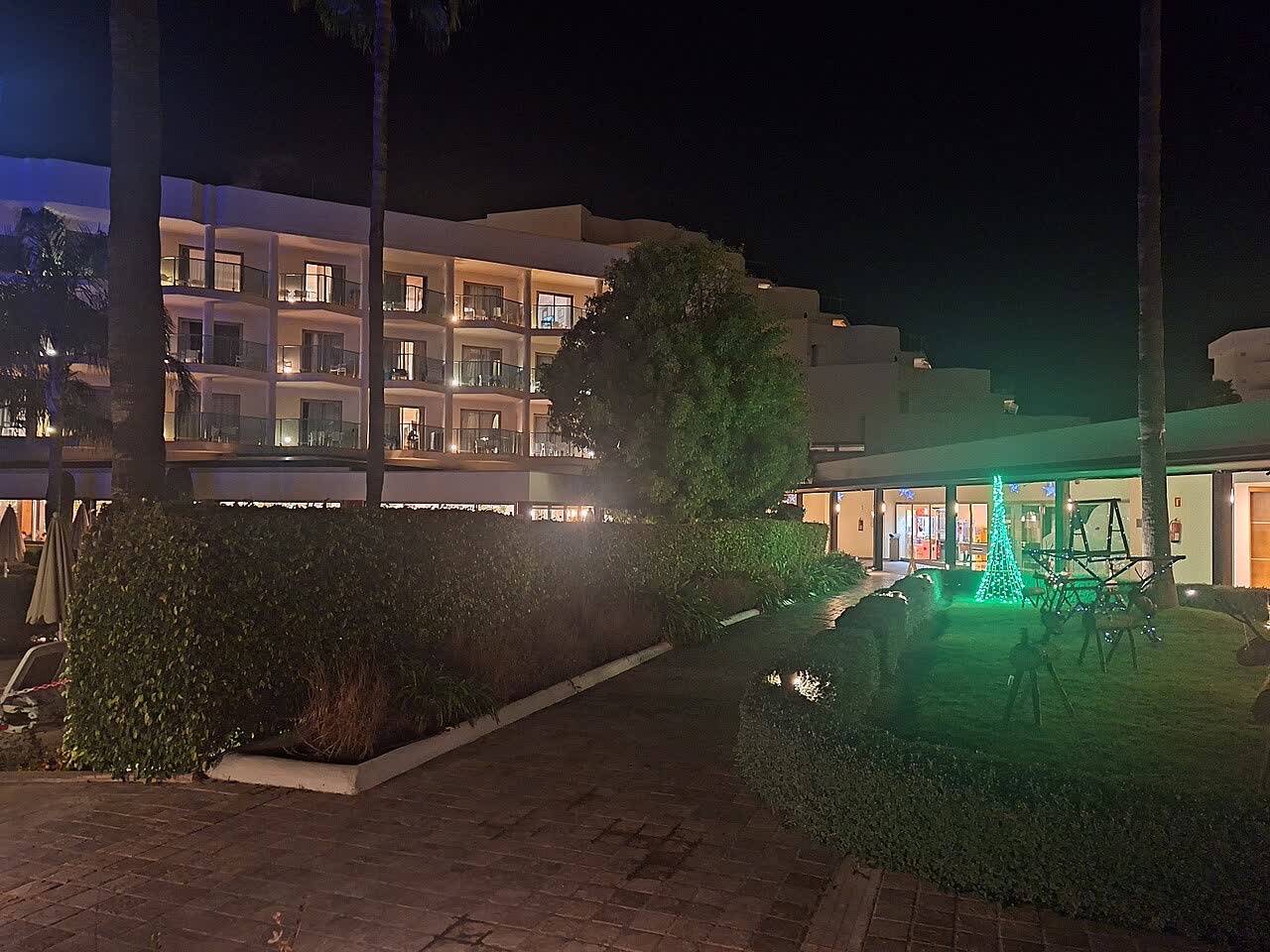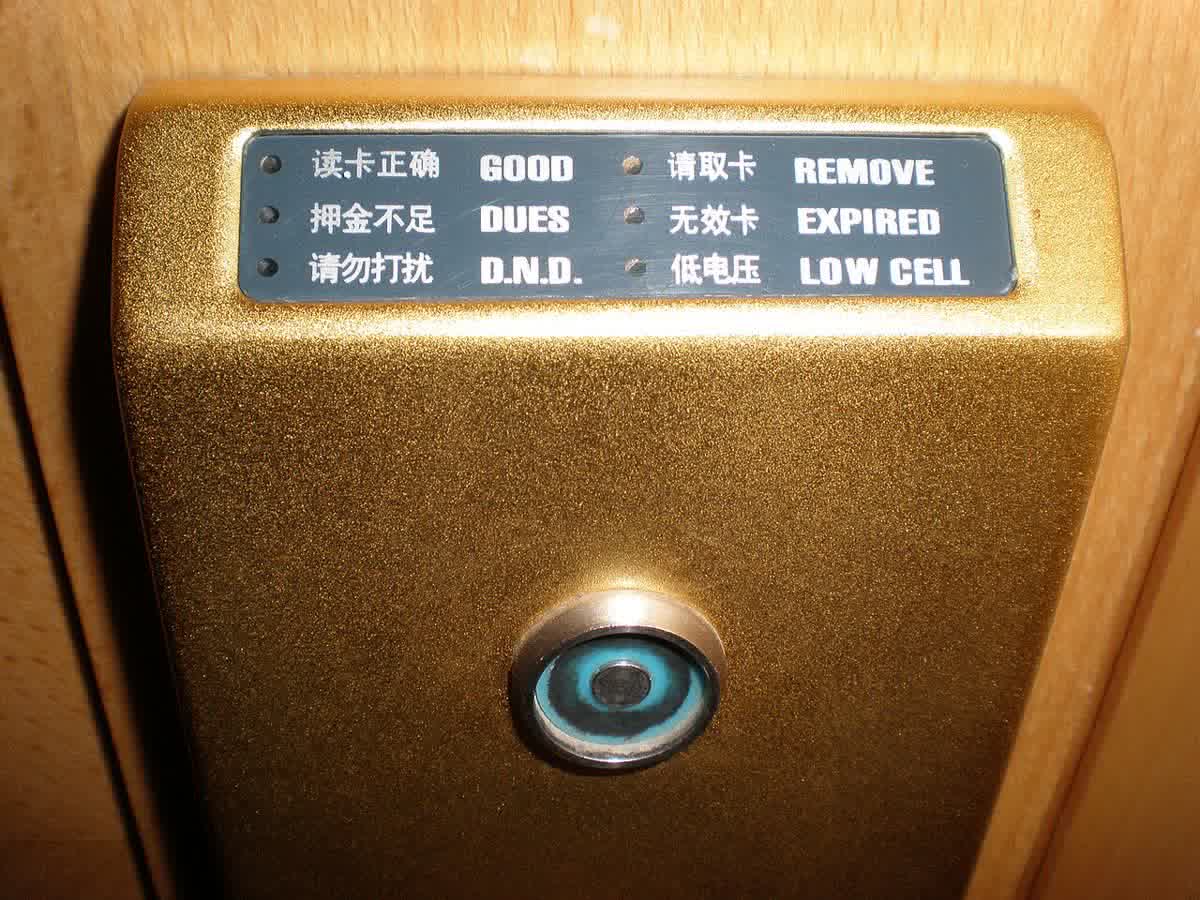
An 18-story, 500-room five-star hotel in Central Africa. No local factories within a thousand kilometers. Every bolt, cable and camera imported. And a completion date that does not move.
For how this fits the other building systems, see our overview of ELV systems sourced from China.
That is the reality the owner of this hotel faced in August 2026, when his engineering team sat down in Guangzhou with a sourcing agent to lock down the building’s entire low-voltage package — the systems guests see (TV, WiFi, telephones) and the ones they never do (CCTV, public address, cabling).
This is how that project was sourced, system by system. If you are building or renovating a hotel in Africa, the Middle East, or anywhere far from a hardware supply chain, the decisions in this case study will look familiar — and the process is repeatable.

Why does a 5-star hotel in Central Africa buy from China?
The hotel sits in the Central African Republic, a market where construction materials and technical equipment are almost entirely imported. The project has been under construction for several years, and the building structure, facade and air conditioning are already in place. Next year is opening year, which means the ELV (extra-low voltage) and ICT systems must be specified now — cabling and backbone runs cannot wait until after the drywall goes up.
Two commercial decisions shaped the entire procurement:
1. The owner chose self-operation over an international brand. International management operators were approached, but the economics did not work: a high percentage of revenue as a management fee, plus penalty clauses tied to guest reviews. For a hotel in a market with strong rental demand, giving up a large share of turnover to a brand name was a bad trade. Self-operation means the owner picks every supplier himself. That is exactly why a sourcing agent matters.
2. One supplier for everything. The owner’s stated preference, in his own words: “He does not want to deal with many companies; he wants to buy from one.” Instead of sourcing IPTV from one vendor, CCTV from another, and phones from a third, the brief was to assemble the complete hotel ELV package — five systems, one quotation, one contact, one after-sales channel.
What is the scope of five systems and 500 TV points?
The agreed scope covers the systems that make a modern hotel run:
- IPTV / satellite TV — 500 TV points, free-to-air channels as the standard guest offering
- CCTV surveillance — full coverage with H.265 recording
- Internal IP telephony — room-to-room and room-to-service calls
- Guest WiFi — Starlink satellite broadband as the primary internet source
- Public address — background music and paging, separately networked
Fire alarm and firefighting systems were explicitly excluded from this package (handled by the electrical contractor), and parking access control, face-recognition gates and barriers were deferred to a second phase. A clean scope boundary at the start of a project saves weeks of quotation confusion later.
All low-voltage head-end equipment is centralized in the basement control room — a single point of management for the whole tower.
How does IPTV provide free channels as standard with compliance first?
The TV strategy is the most instructive part of this project, because it solves a problem most hotel suppliers never discuss: licensing and compliance.
The brief: pull free-to-air channels from four satellites and distribute them to all 500 points as a standard amenity. Satellite dishes were sized at 1.2 meters each — a deliberate choice for a site with strong winds and moderate signal conditions, one dish per satellite, expandable later.
The sharp question came when the supplier suggested centralizing pay-TV decoders in the control room and distributing premium channels to every room. The owner declined immediately:
“That is illegal. We only do free channels through the system. If a guest wants a paid channel, he puts his own decoder in his room and pays for it himself.”
This is a real compliance risk in African markets, where centralized redistribution of subscription channels can put the hotel in conflict with broadcasters and regulators. The design response:
- Free channels are distributed over the satellite master antenna television (SMATV) backbone as the default service
- Paid channels are not distributed at all — each room is wired so a guest can connect their own decoder
- The supplier confirmed a single cable run per room is sufficient when head-end encoding and set-top boxes are properly designed
For hotel owners, the lesson: a supplier who pushes “free premium TV for all guests” may be selling you a compliance problem. Ask explicitly how paid content is handled before you sign.
What tier-one brands and fiber backbone are used for CCTV?
The client’s quality bar was explicit: no low-end cameras. A tier-one camera quality standard was named as the required level, and the quotation must match that standard.
The architecture follows a 70-meter building height with a Cat6 copper drop to each camera and a fiber backbone between floors, so a single link failure cannot take out an entire floor’s surveillance.
Storage was quoted in two options — 30-day and 90-day retention — calculated on H.265 encoding and the actual camera count and resolution. Letting the client choose the retention tier (rather than assuming) is a small decision that prevents both over-spending and disappointed expectations.
One practical sourcing shortcut worth copying: the camera point layout drawings were reused from the CCTV brand’s earlier site survey instead of redrawn from scratch. Existing survey data is free speed; use it.
How does internal telephony work without external lines and with caller ID?
This system was deliberately minimal: internal calls only, no external trunk lines. Rooms call rooms; rooms call the restaurant, gym, laundry and reception. That is all the hotel needs, so that is all it pays for.
Two details make the system genuinely useful in daily operation:
- IP phones with caller-ID screens, so reception and service staff see the calling room number before answering — a security and service feature in one
- Extension numbers by floor + room (e.g., Room 502 = extension 502), plus printed quick-dial labels on every phone for reception, restaurant and housekeeping
Floor-based extension numbering sounds trivial, but for a 500-room property where staff speak multiple languages, an instantly readable numbering scheme cuts training time and call mistakes.
Why is Starlink used as the primary WAN for guest WiFi?
Here the project makes a bold, modern choice: Starlink satellite broadband as the primary internet source, with two to three terminals aggregated to raise total bandwidth and add redundancy. In a market with unreliable terrestrial internet, satellite aggregation is currently the most practical way to guarantee guest WiFi that actually works.
Inside the building, PoE switches power the access points, APs live in the guest corridors, and all networking gear is managed from floor telecom rooms and the basement rack. For the lobby, large meeting rooms, and scattered rooms where cabling is impractical, wireless bridges are reserved as a supplementary coverage option.
If you take one thing from this system, it is the redundancy logic: no single satellite terminal, no single cable path, no single point of failure in a market where a failure means guests checking out.
What are the four physically isolated networks in security by design?
The client demanded — and the design delivers — four physically isolated networks:
- CCTV network
- IPTV network
- Office network (with a dedicated NAS for operational data)
- Guest WiFi
Each system has its own switches and its own external link. The office NAS is reachable only from the office network; guest WiFi cannot touch it. The public address system is separately networked so it cannot be interfered with or used as a jump point.
In hotels, network isolation is not a technical luxury — it is how you keep guest data, surveillance footage and internal operations from being compromised through the weakest link (guest WiFi).
How does the sourcing agent business model work with transparent fees?
The purchasing structure is the part overseas buyers should study closely:
- The sourcing agent’s fee is paid by the buyer — a flat service fee on project orders — so the supplier quotes at their true market price with no hidden margin carved out for the middleman
- The agent has operated for 20 years in the destination market with a large in-country team, so installation is not a gamble: the supplier can send technicians for on-site commissioning guidance, and the local engineering team handles the physical installation
- The owner plans to brand the phones and other devices with the hotel logo — custom branding was part of the brief from day one
The result is a procurement triangle that keeps every party’s incentive aligned: the supplier competes on genuine price, the agent earns from the buyer, and the buyer gets one accountable partner for the whole package.
How long does it take to get a full quotation?
The buyer’s team was in Guangzhou for only three or four days before flying to Shenzhen and back to Africa. So the entire quotation was compressed into three days:
- Day 1–2: Each system priced separately by the sourcing team
- Day 2–3: Consolidated into one complete package — drawings, schematics and itemized pricing per system
- Day 4: Face-to-face review in Guangzhou, followed by order placement
The client also asked for at least two configuration tiers per system — a standard tier and a premium tier — so the owner can decide where to spend and where to save. If you send a buyer a single rigid quotation, you are making the decision for them; two options invite a conversation.
What does this case teach hotel buyers in Africa and beyond?
- Consolidate the package. One accountable supplier for IPTV, CCTV, phones, WiFi and PA beats five separate vendors with five separate warranties.
- Fix compliance before pricing. How pay-TV content is handled is a legal question, not a technical one. Get the answer in writing.
- Name the brand tier. “Good quality” is meaningless in a quotation. “Tier-one quality or equivalent” is actionable.
- Design for the real market. Starlink aggregation, fiber backbones, physical network isolation — these are not premium extras, they are operational necessities in markets with unreliable infrastructure.
- Keep the agent’s fee on the buyer’s side. A transparent buyer-paid service fee keeps supplier pricing honest and makes long-term relationships sustainable.
How can you get your hotel ELV package quoted?
Whether you are building a 500-room tower or renovating a 50-room boutique, the sourcing process is the same: clear scope, named brand tiers, compliance handled up front, and one partner who can quote the whole system.
Send us your hotel project details — floor count, room count, TV points, camera requirements and your timeline — and get a consolidated, itemized quotation for the complete low-voltage package within days.
👉 Contact our sourcing team or see how our product sourcing service works.
Basis for this case study: internal project records — design drawings, bill of materials and site records from this project. The client’s name and commercial terms are withheld at the client’s request.
Related: this case sits inside a wider technical scope — the technical sourcing agent for hotel ELV systems breaks the package down between CCTV, structured cabling, IPTV and backup power.