
Every hotel CCTV project looks simple on the quotation: cameras, a recorder, some cable. Then you ask two questions — how long do we keep the footage, and what happens when one floor’s link goes down? — and the design suddenly becomes a real engineering problem.
If you are buying this as part of a combined building package, our ELV system sourcing guide sets out the other subsystems and the shared inspection plan.
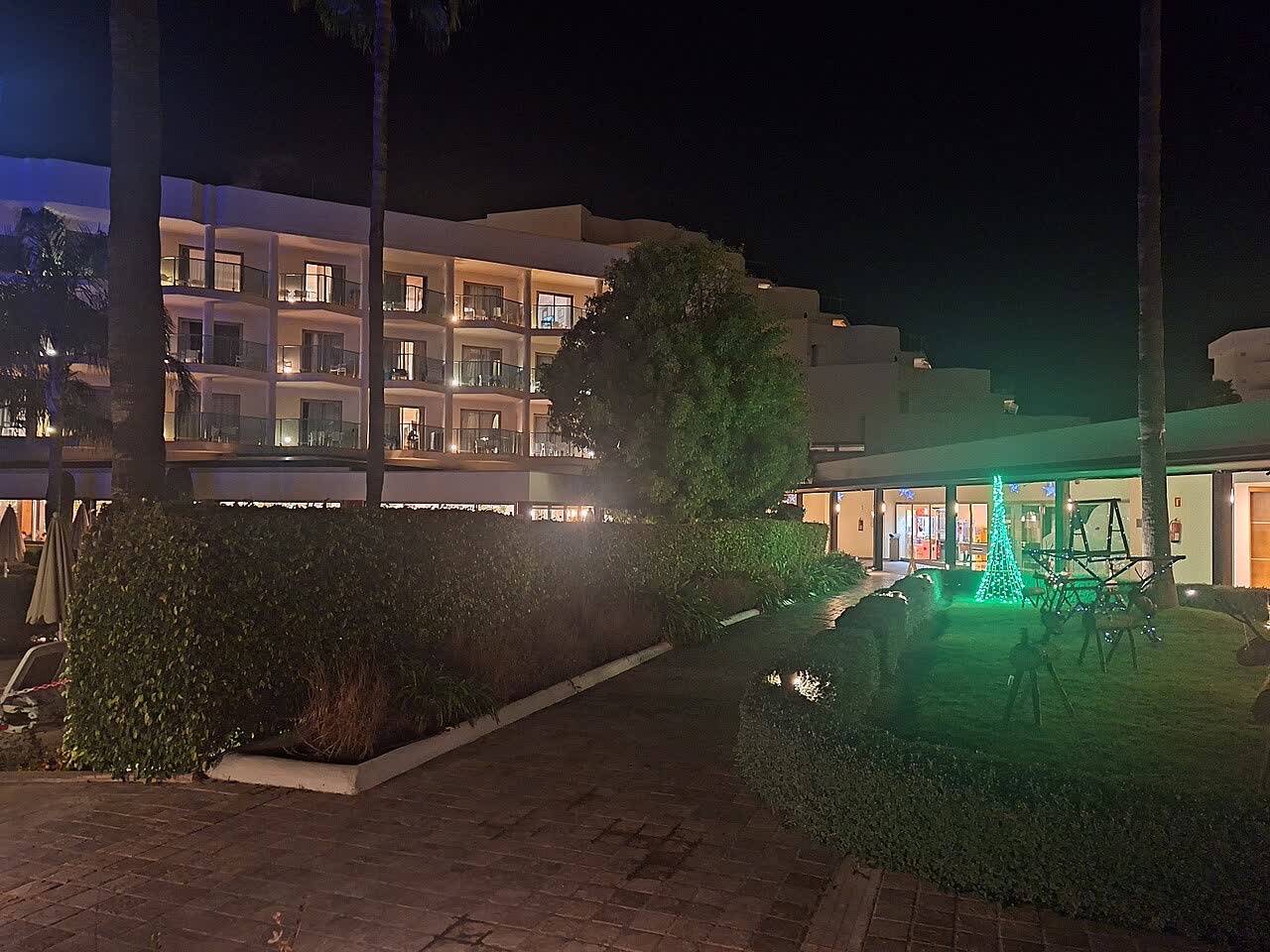
For a 500-room, 18-story hotel in Central Africa, those two questions shaped the entire surveillance system: which cameras, how they are cabled, how they are powered, where the footage lives, and how many days of it the owner can actually keep.
This is how that CCTV system was designed — the same project covered in our floor-by-floor ELV design study, our WiFi and network case study and our smart room control case.
The Requirement: No Low-End Cameras
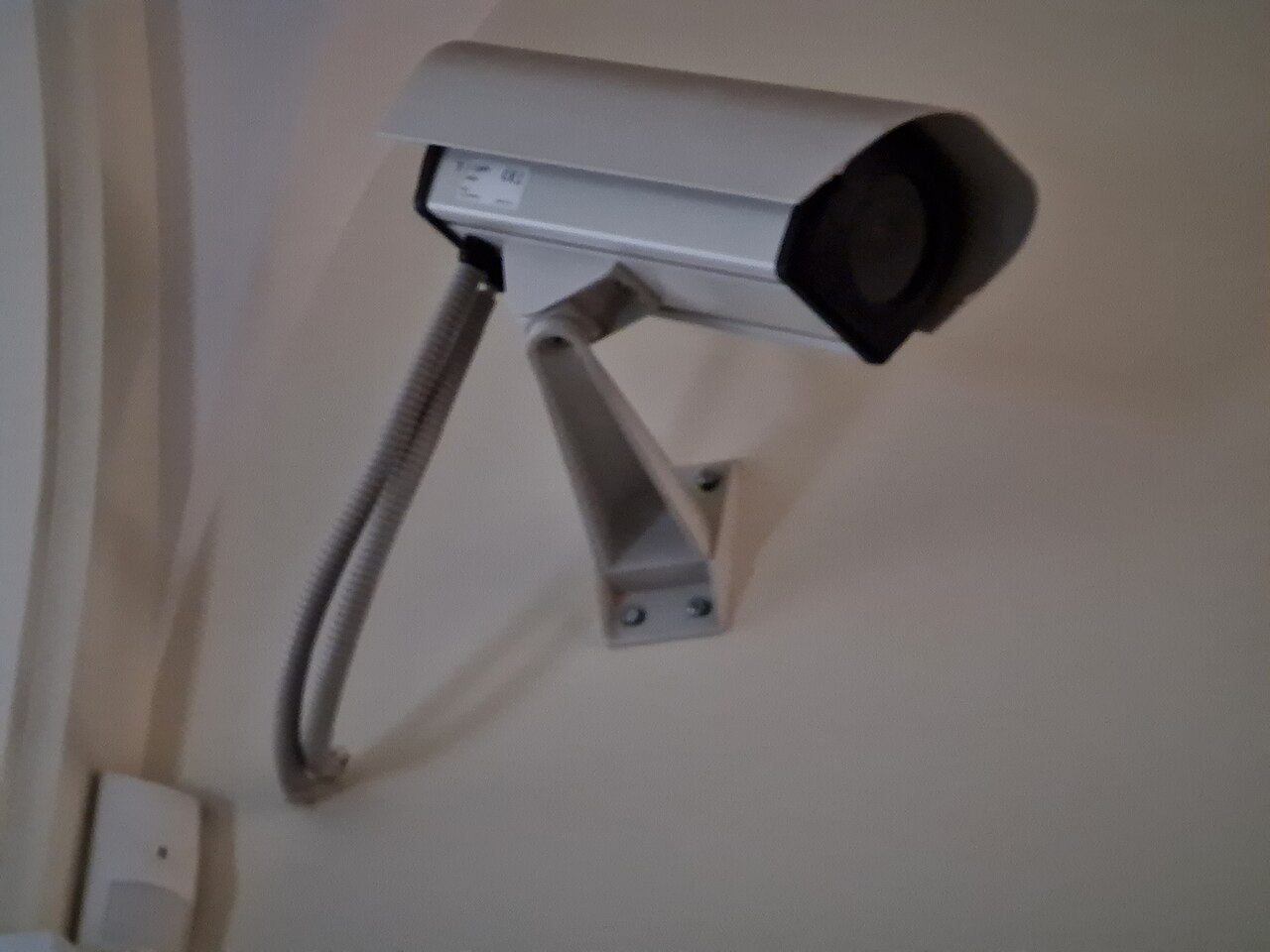
The owner’s quality bar was set before any model number was discussed: no low-end cameras. The specification named tier-one brands — Hikvision-tier hardware — and required that the quotation match that level.
That single requirement cascades through the whole design:
- Image quality determines whether footage is usable as evidence, not just for watching
- Encoding support (H.265) determines how much footage fits on the storage
- Hardware reliability determines how often someone has to climb a ladder in a 70-meter building
- PoE compatibility determines whether each camera needs its own power point
In a hotel, cameras are not a one-time purchase — they are a maintenance commitment for the next decade. The cheapest unit on the quotation is usually the most expensive decision.
Cabling: Cat6 to the Camera, Fiber Between Floors
The building is roughly 70 meters tall with an 18-floor riser. The cabling architecture uses two different media for two different jobs:
- Cat6 copper from the floor’s switch to each camera — supports the bandwidth and carries PoE power on the same cable
- Fiber backbone between floors, connecting each floor’s telecom room back to the core
The fiber riser is the part that first-time buyers often skip, and it is exactly where the design gets its resilience. If a single copper run or a single floor switch fails, that floor’s cameras drop — but the fiber backbone keeps every other floor running. A single-cable daisy-chain design would have taken out the whole building.
Each floor’s weak-current room acts as the local aggregation point: cameras home-run to the closet, the closet trunks to the core, and the basement control room holds the head-end.
Power: PoE Cameras, One Cable Each
Every camera in this project is powered over Ethernet. That is a design decision with real consequences:
- No separate power points at each camera location — no electrician needed at 4 meters’ height, no extra conduit, no local transformer to fail
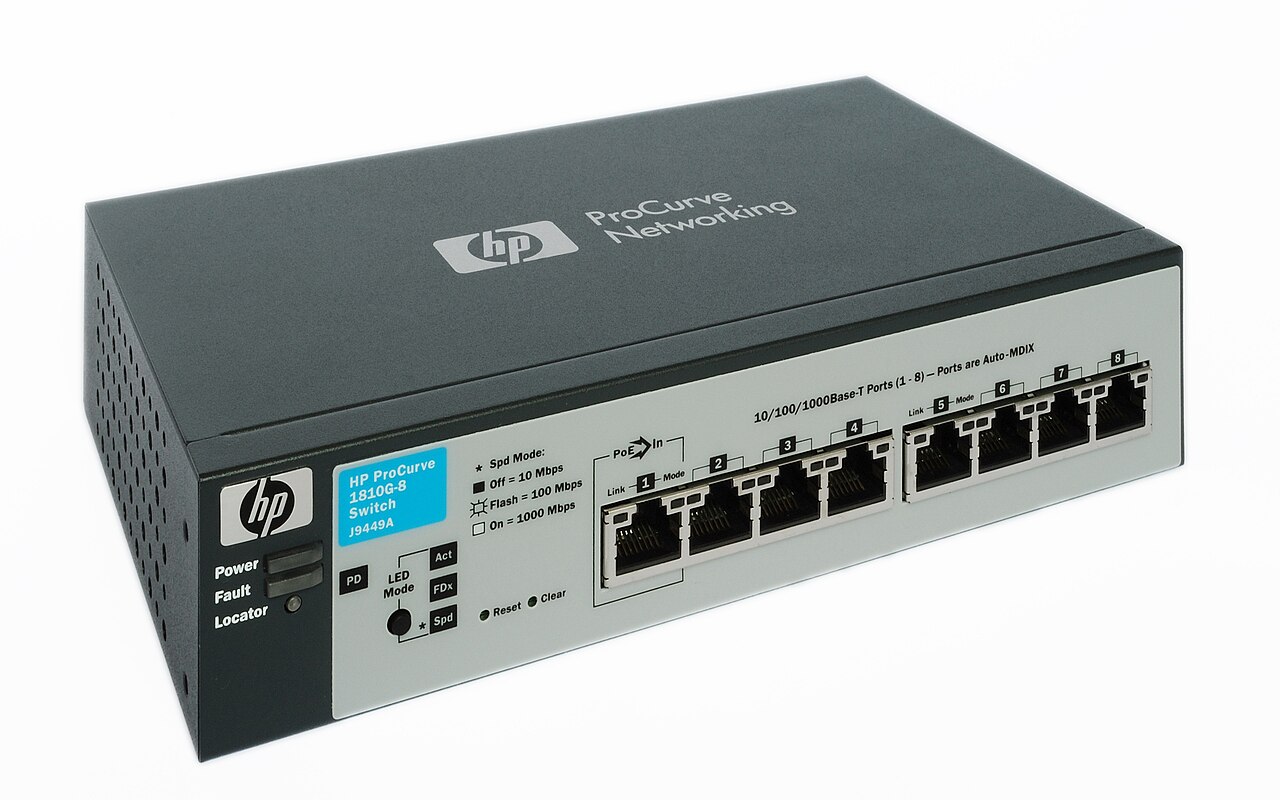
- Central power management — the PoE switch reports which cameras are drawing power, so a dead camera can be distinguished from a dead cable
- Remote power cycling — when a camera hangs, the switch can power-cycle that single port instead of sending someone to the ceiling
The PoE budget matters too. Standard fixed cameras run on 802.3af/at (15–30 W); PTZ and heater-equipped outdoor units can exceed that and need 802.3bt (up to 90 W). The switch budget is calculated per floor, not guessed — an overloaded PoE budget shows up as cameras rebooting at random.
The Storage Question: 30 Days or 90 Days?
The quotation offered two retention tiers — 30-day and 90-day — and the client chose based on what the operation actually needs. This is the single most cost-sensitive decision in a CCTV project, so it is worth understanding how the numbers are built.
Storage volume depends on four variables:
- Camera count and resolution — a 4 MP camera produces roughly twice the data of a 2 MP camera at the same frame rate
- Encoding — H.265 typically cuts storage by 40–50% versus H.264 for equivalent quality, which is why the specification required it
- Frame rate and scene complexity — a busy lobby generates more data than a quiet corridor
- Retention days — 90 days is three times 30 days, straight multiplication
To make the decision concrete, here is how the numbers scale in a project this size. Take a mid-range 4 MP camera at 15 fps with H.265 encoding: roughly 4–6 GB per camera per day depending on scene activity. Multiply that by the camera count on a busy floor and the arithmetic gets uncomfortable fast:
| Cameras | Per-day footage (H.265, 4 MP) | 30 days | 90 days |
|---|---|---|---|
| 50 | ~250 GB | ~7.5 TB | ~22 TB |
| 150 | ~750 GB | ~22 TB | ~67 TB |
| 300 | ~1.5 TB | ~45 TB | ~135 TB |
(The figures are planning estimates for H.265 at 4 MP — actual volume varies with frame rate, motion and scene complexity, so the final storage is sized from the camera schedule, not from a rule of thumb.)
This is why the retention decision comes first and the storage second: at 90 days, a large property can be looking at over 100 TB of usable capacity — which is exactly the difference between one high-density storage appliance with enterprise drives and RAID, and a stack of small recorders that never quite add up.
The outcome for this hotel: a single high-density embedded video storage (EVS) appliance — a 48-bay unit with 20 TB enterprise drives, dual CPUs and RAID 0/1/5/6/10/50/60 — absorbing the full retention window instead of a rack of NVRs. The cameras write directly to the storage (direct-stream mode), with no forwarding media server in between: fewer components, fewer failure points, and lower cost than an IP-SAN architecture.
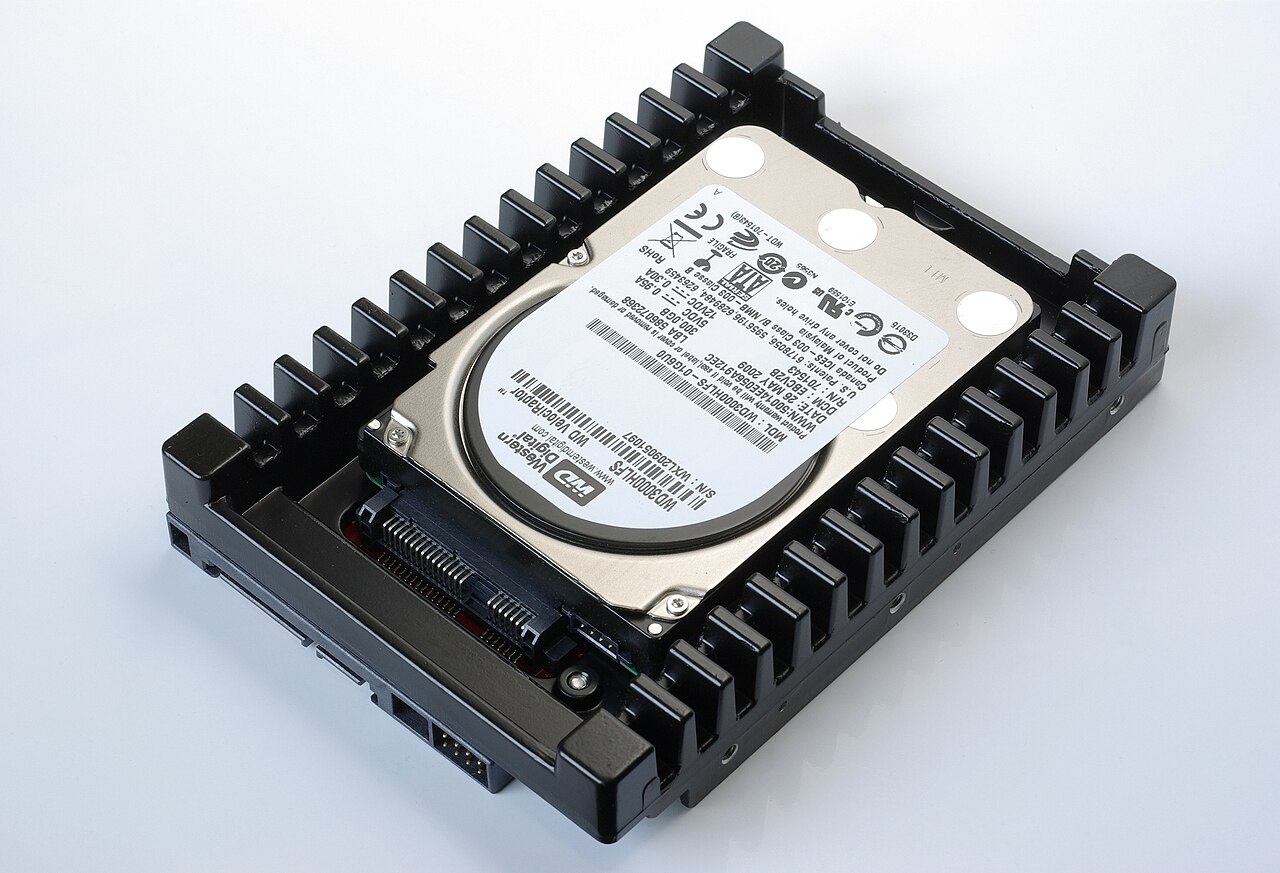
One practical point for hotel owners: decide the retention period before the storage is quoted. Changing from 30 to 90 days after installation usually means new drives, not a settings change.
The Control Room: One Place for Everything
All surveillance head-end equipment — storage, management server, core switching — lives in the basement control room, next to the laundry, kitchen and electrical rooms.
Why centralize:
- One room to secure, cool and maintain, instead of equipment scattered across 18 floors
- Short runs to power infrastructure, which simplifies UPS and grounding
- One place for the hotel’s own technicians to learn, rather than five different closets
In this project the surveillance server and storage sit in the 13th-floor office area, physically isolated from the guest network — the same four-network isolation rule that governs the whole building (CCTV, IPTV, office and guest WiFi each on their own switches and links).
Designing the Camera Positions: Reuse What Exists
One detail saved the project real time: the camera point layout was reused from the security brand’s earlier site survey rather than redrawn from scratch. Existing survey drawings already mark coverage positions, cable routes and closet locations — information that took days to produce the first time.
The practical lesson for buyers: if a brand or integrator has already surveyed your building, that data is an asset. Ask for the point layout as part of the specification, whether or not you buy from them.
Running the System: Remote Diagnosis Matters More Than You Think
A hotel CCTV system is judged in year three, not on installation day. Two design features in this project exist purely for that reason:
PoE watchdog and remote power cycling. When a camera hangs — a common failure in hot, dusty environments — the PoE switch detects it and power-cycles that individual port. No ladder, no technician visit. The cloud management platform also allows the operator to locate the device, view a live snapshot, and restart the camera or its switch port remotely.
Perpetual PoE. During a switch firmware upgrade, PoE power stays on, so routine maintenance does not reboot the entire surveillance system at 3 AM and leave a gap in the recording timeline.
Redundant core. The core switch carries dual power modules and dual control modules, and the floor-to-floor links run over fiber. A failed power supply or a cut link degrades gracefully instead of taking out the building’s surveillance.
For a property where the nearest network engineer may be hundreds of kilometers away, these are not premium features — they are what makes the system maintainable at all.
Checklist: Hotel CCTV Design That Holds Up
- Set the camera tier by name — “good quality” is not a specification; “Hikvision-tier or equivalent” is
- Use Cat6 to the camera and fiber between floors — never a single cable path that can take out the building
- Power cameras over PoE and budget the watts per floor, including PTZ and heated units
- Choose the retention period first (30 or 90 days), then size the storage with H.265 in mind
- Centralize head-end equipment in one control room with UPS access
- Isolate the CCTV network from guest WiFi, IPTV and office networks
- Reuse existing point layouts if a survey has already been done for your building
Get Your Hotel CCTV Package Quoted
Camera tiers, cabling architecture, PoE budgets and retention sizing are the four decisions that determine whether a hotel surveillance system is an asset or a liability. Send us your floor plan and coverage requirements, and we will return a complete, itemized CCTV package — cameras, switching, power and storage — sized for your building.
👉 Contact our sourcing team or see how our product sourcing service works.
Basis for this case study: internal project records — design drawings, bill of materials and site records from this project. The client’s name and commercial terms are withheld at the client’s request.