
DDP shipping is the Incoterm that takes customs off your desk. Under Delivered Duty Paid (Incoterms 2020) the seller pays the freight, files the Chinese export declaration, clears the goods into your country, pays duty and import VAT, and delivers to the named place. The price does not move after arrival. It is the term we quote most, and the most often misdescribed.
What does DDP shipping mean in one sentence?
DDP means the seller is responsible for everything up to the named destination, including import duty and taxes; the buyer’s only job is to receive the goods.
Delivered Duty Paid is DAP plus duties and taxes. The seller carries the freight to destination, the export declaration, import clearance as importer of record, duty and import VAT, and final-mile delivery. Risk transfers at that handover point, not at the port and not at the factory gate. The practical test: if you need your own customs number, you are not buying DDP.
What is included in a DDP price, and what is not?
| Cost layer | Under DDP | Under DAP / CIF | Under FOB |
|---|---|---|---|
| Origin freight and export declaration | Seller | Seller | Seller |
| Main carriage (air, sea, rail) | Seller | Seller | Buyer |
| Destination clearance, duty, import VAT | Seller | Buyer | Buyer |
| Final-mile delivery | Seller | Buyer | Buyer |
Three exclusions cause most of the surprise invoices:
- Surcharges at booking. Air rates move with fuel and peak-season capacity; we state that up front, so the booked number is final.
- Waiting time. On our UK oversize line, waiting bills at GBP 30 per hour after 15 minutes, and a timed delivery is GBP 30 per ticket.
- Storage past free time. EU sea freight includes seven free days after clearance, then storage runs at RMB 4–6 per CBM per day.
What is the difference between DDP, DAP, DDU and CIF?
| Term | Seller delivers to | Seller pays duty and import VAT? | Buyer needs a customs ID? |
|---|---|---|---|
| DDP — Delivered Duty Paid | Named place, buyer’s country | Yes | No |
| DAP — Delivered at Place | Named place, buyer’s country | No | Yes — EORI, VAT or business number |
| CIF — Cost, Insurance, Freight | Destination port | No | Yes, plus port and trucking costs |
| FOB — Free on Board | On board at the Chinese load port | No | Yes, plus main carriage |
DDU is a dead term. It was withdrawn in Incoterms 2010 and replaced by DAP, so it does not exist in Incoterms 2020. A supplier quoting “DDU” almost always means DAP, where you clear the goods and pay duty. The full walkthrough is in our guide to shipping from China, with the two nearest terms compared in DDP vs DAP and the whole set covered in Incoterms 2020 explained.
Why do most first-time importers choose DDP?
Because the alternative is building an import function before your first container arrives: an EORI and VAT number in the UK or EU, a business number in Canada, a bond and a broker in the US — plus the duty assessment and valuation exposure that come with being importer of record.
Under DDP none of that is needed to receive goods, the landed cost is fixed at quote stage, and clearance delays sit on the seller’s side. Our own shipments run this way: inspection, consolidation in Guangzhou, booking and clearance on one ticket. Our China–USA shipping cost calculator prices that leg from the same forwarder rate card we buy on.
How much does DDP shipping from China cost in 2026?
Indicative door-to-door DDP ranges from our contracted forwarder’s rate card, effective 22 September 2026, all in RMB. The ranges reflect destination zones, not negotiation.
United States
| Lane | Billing | Range | Transit |
|---|---|---|---|
| Air P (mainland China flights) | RMB/kg | West 54–66 · Central 55–67 · East 56–68 | 6–8 working days to pickup |
| Air C (Hong Kong / Korea flights) | RMB/kg | West 57–69 · Central 58–70 · East 59–71 | 7–9 working days |
| Sea LCL, premium express | RMB/kg | 13.5–20 | sailing schedule |
| Sea LCL, standard | RMB/kg | 10.8–17 | sailing schedule |
United Kingdom, Europe and Canada
| Destination | Lane | Range | Transit |
|---|---|---|---|
| UK | Air P, own VAT or deferred | RMB 36–50 per kg | 5–7 working days after clearance |
| UK | Air P, duty paid | RMB 38–53 per kg | 5–7 working days after clearance |
| UK | Air C (battery-capable) | RMB 41–62 per kg | 5–7 working days after clearance |
| UK | Rail plus truck | RMB 13–19 per kg | 25–30 days after loading |
| Europe | Air P / Air C (battery) | RMB 30–41 / 33–44 per kg | air schedule |
| Europe | Sea LCL, DDP | RMB 8–16.5 per kg | 40–45 days sailing |
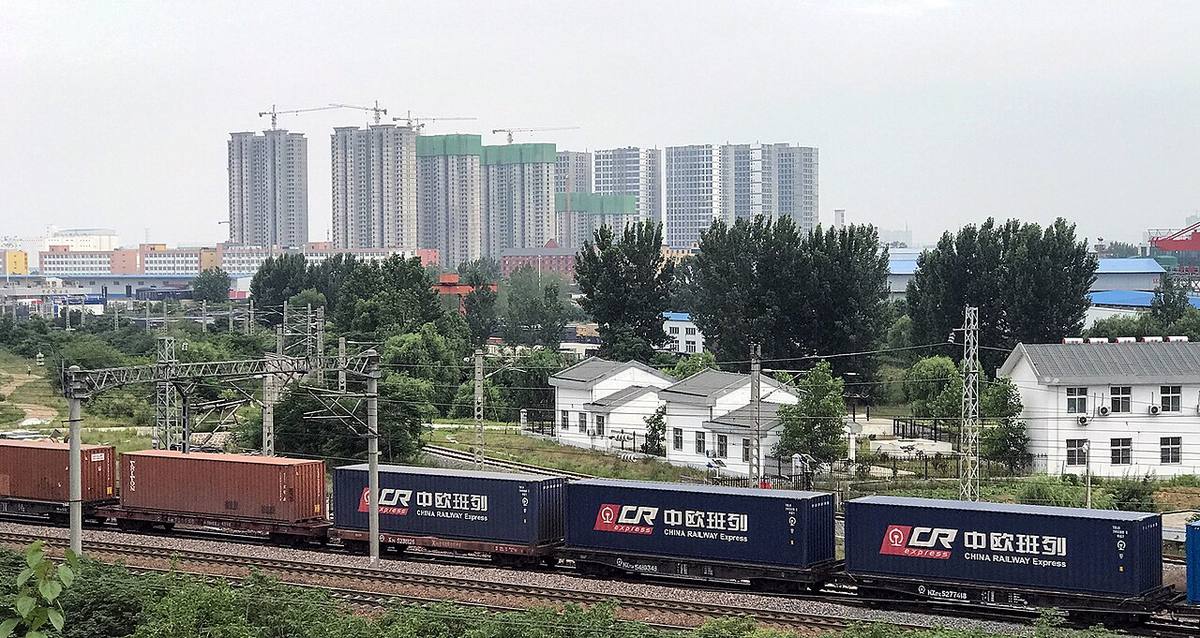
| Europe | Rail plus truck | RMB 14–23 per kg | 22–25 days |
| Canada, Vancouver | Sea LCL | RMB 1,450–3,300 per CBM | 25–30 days to door |
| Canada, Toronto | Sea LCL | RMB 1,550–2,250 per CBM | 35–40 days to door |
US zones follow the ZIP code: West 8–9, Central 4–7, East 0–3. Air starts at 12 kg, minimum 12 kg per piece, volumetric divisor 6,000; a commercial address adds RMB 1 per kg, a residential address RMB 45 per piece. UK own-VAT and deferred shipments carry a RMB 200 clearance fee; duty paid carries a product surcharge. Canadian sea freight bills at 1 CBM = 400 kg. European pricing runs lowest into Germany, highest into Spain, Italy and Ireland — model your leg with the China–Europe shipping cost calculator.
Who pays duty under DDP, and who is the importer of record?
The seller pays both, and the forwarder appointed for the shipment clears the goods in their own name. The buyer gives accurate product information and a deliverable address, then accepts delivery.
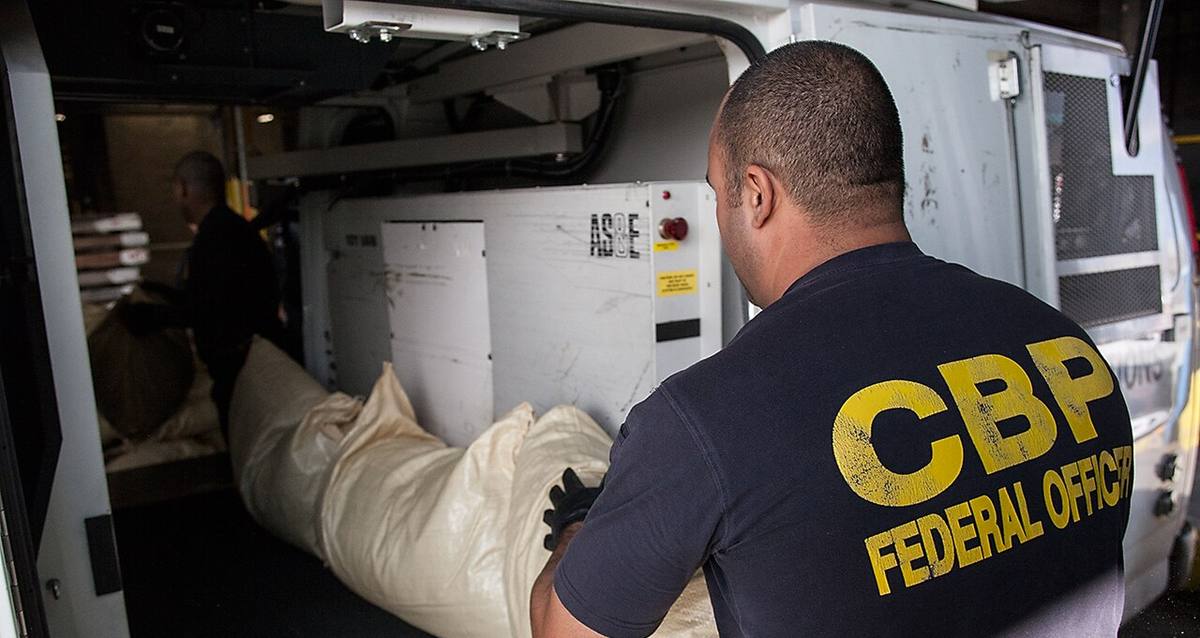
One consequence matters: because duty is assessed in someone else’s name, you do not control the declared value. That protects you from customs exposure, and it removes the temptation to shave the declaration. Undervaluing imports is illegal in every market we serve — HMRC, US Customs and Border Protection and the Canada Border Services Agency can reassess duty and add penalties — so we quote DDP on real value and hand you duty-paid documentation.
UK buyers have three routes under that umbrella: own VAT (clear on your VAT number, declare the import VAT yourself), VAT deferred (postponed VAT accounting, no cash at the border) and duty paid (we settle duty and VAT). The first two price lower, and VAT-registered businesses usually prefer them — we compare the two in own VAT vs deferred.
How does a DDP shipment work from factory to your door?
One chain on one ticket: supplier pickup or delivery into our Guangzhou warehouse, consolidation and repacking, export declaration under matched HS codes, air, sea or rail transit, import clearance with duty and import VAT settled, then final-mile delivery with proof of delivery.
Two levers cut cost without weakening the service: consolidate several suppliers into one shipment so a single clearance covers the order, and pack to the lane’s rules. Small-parcel lanes take cartons only, wooden packaging needs a hinged lid and 10 cm forklift feet, and irregular packaging adds RMB 140–200 per piece. Export packaging requirements differ by lane more than most buyers expect.
What are the traps of DDP shipping?
1. Goods that cannot move. Counterfeit-branded goods, weapons, pure batteries and power banks, medicines, flammables and corrosives, powders, unidentified liquids and food on general lines are refused. Battery goods take the battery-capable air lane.
2. US anti-dumping exposure. Thirteen watched categories attract heavy added duty — steel fasteners and wire rod, wood bedroom furniture and laminate flooring, solar cells, bearings and brake drums, coated paper, polyester staple fibre, canned mushrooms, woven plastic bags and tyres, televisions and large washing machines, bicycles, aluminium profiles, honey. They still ship, but the honest route is a specific duty assessment, not a generic quote.
3. Compliance stays yours. DDP pays tax and moves goods; it does not certify your product. CE, FCC or UKCA compliance and labelling belong to the importer — our certification guide covers each market.
4. Claims are capped. Air compensates RMB 40 per kg, sea RMB 20 per kg, and the ceiling is USD 100 per shipment once goods pass to the final-mile carrier. Windows close at 20 days for non-collection, 60 days from dispatch and 7 days after signed receipt; delay claims are excluded mid-November to February, and fragile breakage is not covered.
5. DDP is not hands-off. Lane, packaging and delivery address still move the price.
When is DDP the wrong choice?
When you are VAT-registered and want the import VAT on your own return; when you already run a broker, bond and duty drawback programme; when you ship low-value B2C parcels into the EU, where IOSS-style collection changes who remits the VAT; or when you move full containers, where the DDP premium buys little. First orders, urgent restocks and mixed-supplier shipments are where DDP earns its keep.
FAQ
Is DDP the same as duty paid shipping? Yes. Duty paid is the plain-English description of Delivered Duty Paid: the seller settles duty and import VAT, then delivers to your address. If a quote says duty paid but the paperwork names you as importer of record, that is DAP with a promise attached.
Who is the importer of record under DDP? The seller, or the forwarder the seller appoints, clears the goods in their own name and pays duty and import VAT. You therefore need no EORI, VAT number, business number or broker of your own, and no clearance invoice reaches you after delivery.
Does DDP include import VAT? Under Delivered Duty Paid, yes: duty and import VAT are both inside the price. On UK lanes we also quote two lighter variants, where you clear with your own VAT number or use postponed VAT accounting so the import VAT lands on your own quarterly return.
Do low-value parcel rules change DDP? For business-to-consumer parcels into the EU at or below the low-value threshold, IOSS-style clearance changes who collects the VAT. Thresholds and registration rules shift by country, so we confirm the correct route per shipment rather than applying a default.
What if goods are damaged or lost on a DDP shipment? File within 20 days for non-collection, 60 days from dispatch for in-transit loss, or 7 days after signed receipt. Air freight compensates RMB 40 per kg and sea RMB 20 per kg, capped at USD 100 per shipment once goods pass to the final-mile carrier.
Is DDP cheaper than FOB or CIF? The headline is higher because DDP covers more: freight, both customs declarations, duty, import VAT and delivery. FOB and CIF quotes stop at the port and leave duty, clearance and trucking with you, which looks cheaper until the destination invoices arrive.
What is the bottom line on DDP shipping?
DDP is the Incoterm for a fixed landed cost with no customs machinery of your own: freight, both declarations, duty, import VAT and delivery in one number, with risk transferring at your door. It is the wrong tool when you want the import VAT on your own return, when you already run customs in-house, or when a quote looks too cheap to be honest.
We have shipped for more than 3,000 buyers over the past 12 years, working with 2,000+ audited Chinese suppliers on a commission of 5–8%. Send the product, weight, volume and destination postcode and we will reply within 12 hours with DDP ranges by lane. Send the details or message us on WhatsApp (+86 139 2270 2227), Monday to Saturday, 09:00–19:00 GMT+8. Prefer to price it yourself? Start with the shipping and logistics service overview or the calculators for the USA and Europe.
Related Guides
- China–Europe rail freight planning — when the 22–25 day rail lane beats sea and air on a DDP budget.
- Shipping from China to Poland — a worked country example with DDP rates and transit times by lane.
- Export packaging in China — carton, crate and pallet rules by lane, and what packaging defects cost on a claim.
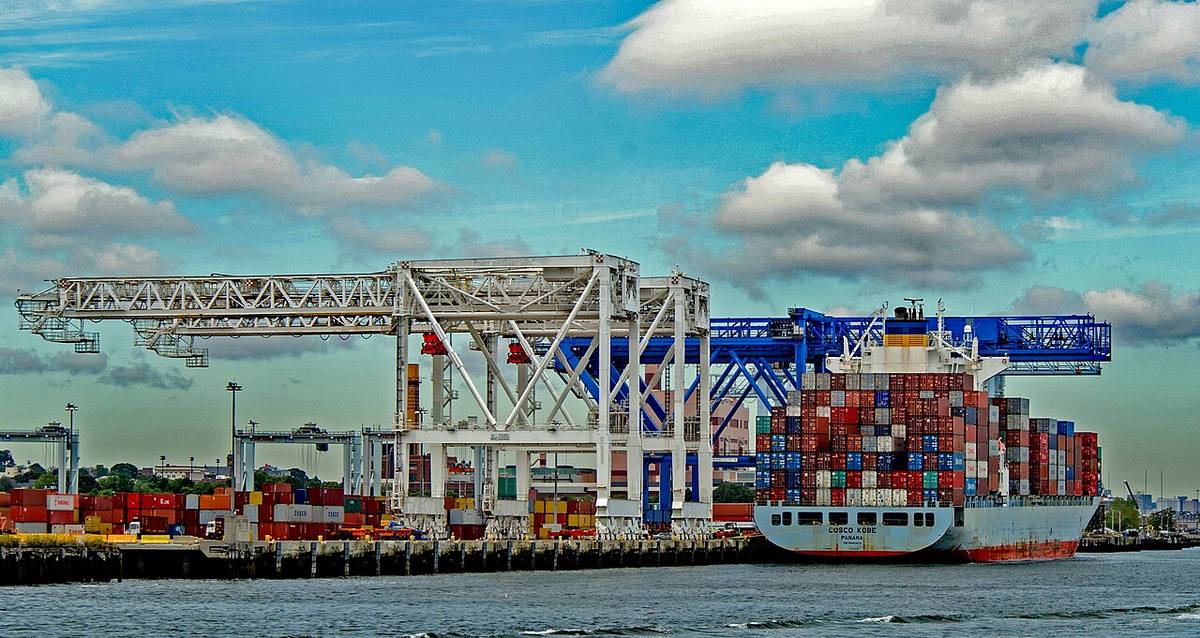
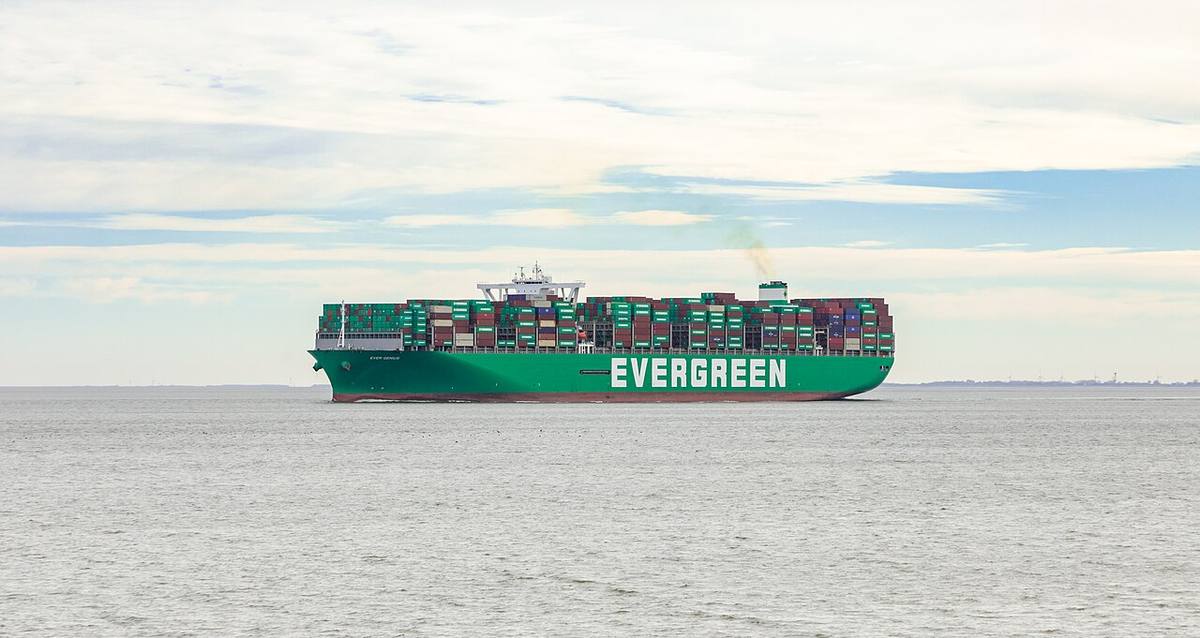
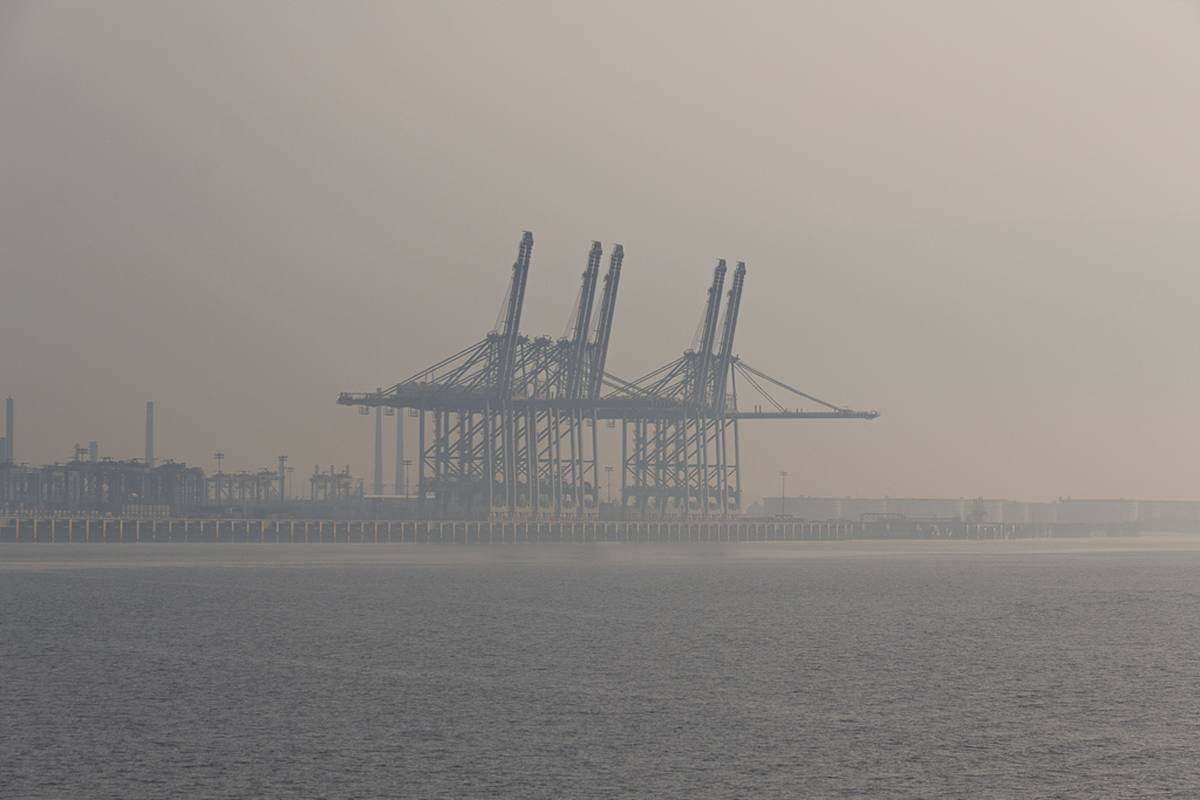
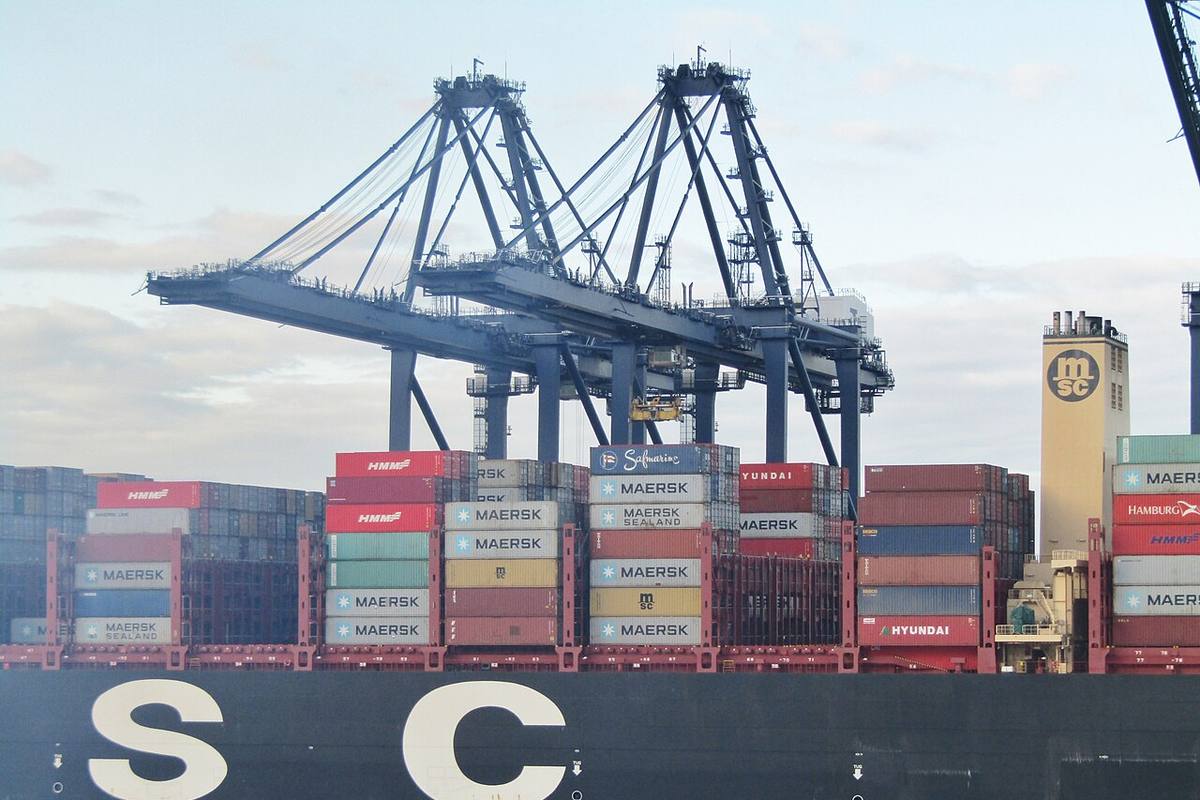
Photo credits: cover - container ship “Ever Genius” off Cuxhaven by Dietmar Rabich, licensed CC BY-SA 4.0. Inline 1 - London Gateway container port by Christine Matthews, licensed CC BY-SA 2.0. Inline 2 - Port of Felixstowe container yard by Colin Smith, licensed CC BY-SA 2.0. All via Wikimedia Commons.