
The price is agreed. The sample is approved. The inspection passed. Then the factory asks: “Goods are ready — when are you shipping?”
And here’s where a surprising number of buyers realize they don’t actually know how to get goods from China to their own front door: what freight should cost, who books the vessel, which documents are needed, and which charges appear after the ship arrives — all question marks.
Get the transport mode wrong and freight can eat 30% or more of your goods value. Book a week late in peak season and your container sails a month later than planned.
This guide distills what we’ve learned shipping for clients over the last ten years: the four transport modes and how to choose, what a freight bill is really made of, the documents you must prepare, and the four mistakes that cost importers real money.
What are the four transport modes at a glance?
Start with one rule that covers most decisions: the bigger, heavier, and less time-sensitive the cargo, the more sense sea freight makes; the smaller, more valuable, and more urgent it is, the more sense air or express makes.
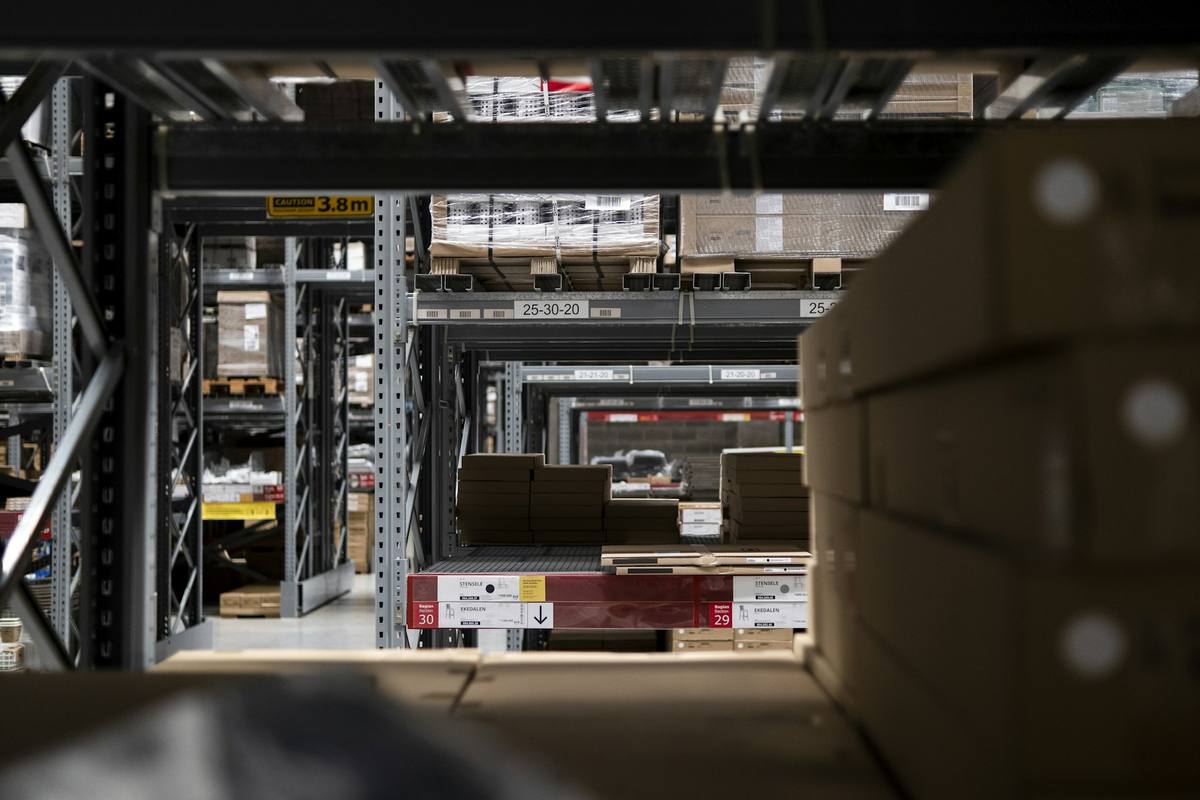
| Mode | Typical transit | Cost | Best for | Avoid for |
|---|---|---|---|---|
| Sea LCL (less than container) | US West Coast 12–26 days, Europe 24–30 days, SE Asia 7–10 days | Lowest; charged by volume (CBM) | 1+ cubic meters, not time-sensitive | Urgent goods, small parcels, high-value items |
| Sea FCL (full container) | Same as above | Low; one price per container | Close to a full container (20ft / 40ft / 40HQ) | Underfilled containers waste paid space |
| Air freight | 3–7 days, airport to airport | High; charged by weight, typically 5–10× sea | High-value, deadline-driven, seasonal goods | Cheap heavy goods (freight costs more than the product) |
| International express | 3–5 working days, door to door | Highest; charged per kg | Samples, parcels under 50 kg, urgent restocks | Large, heavy cargo |
Three decision rules that cover ~90% of orders:
- Over 1 cubic meter and not urgent → sea freight (in our experience, the vast majority of regular orders take this route — lowest total cost)
- Urgent and higher value (electronics, seasonal goods) → air freight; the extra freight is recovered by faster sell-through
- Samples, small parcels, restocks → international express (DHL/FedEx/UPS), door-to-door, no hassle
Should you choose LCL or FCL based on the 15 cubic meter threshold?
Not enough cargo to fill a container means your goods share space with other shippers’ cargo — that’s LCL (less than container load). Your own full container is FCL (full container load).
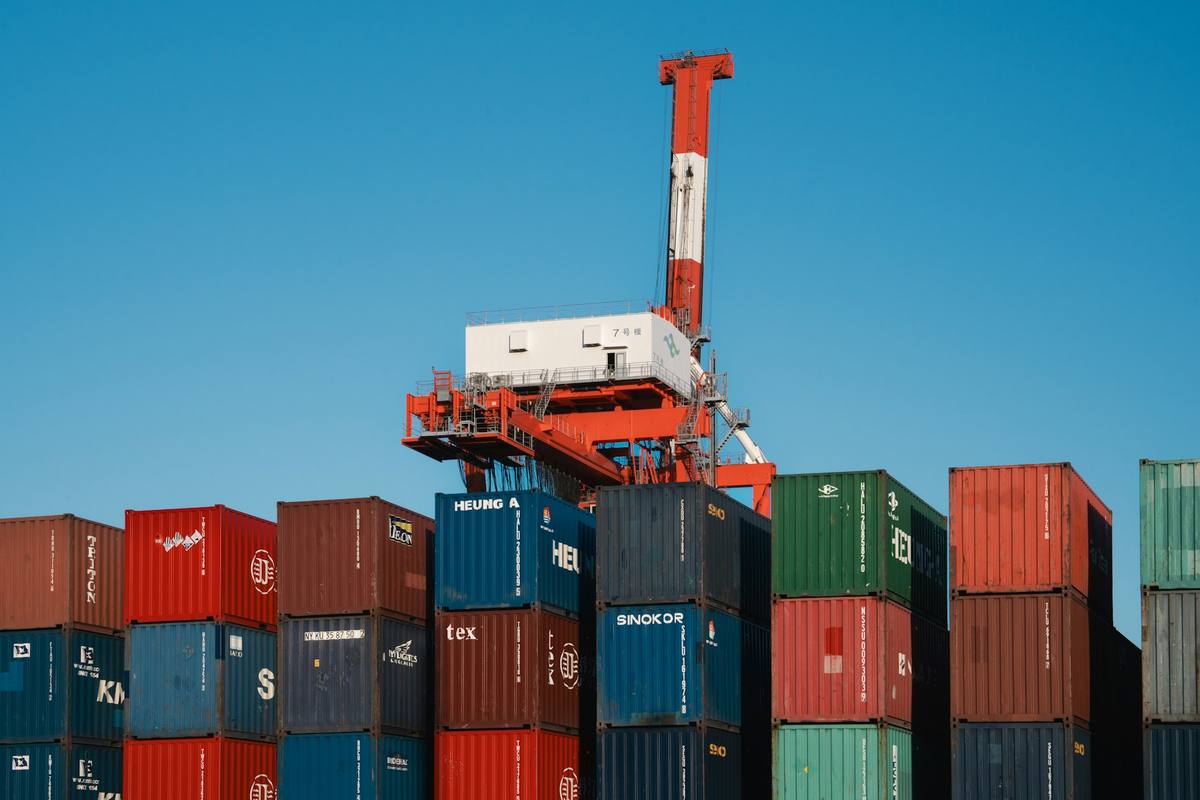
The practical threshold: roughly 15 cubic meters. Below that, LCL is cheaper; above it, the per-unit advantage of FCL takes over.
LCL has three hidden costs that never show in the quote:
- 3–7 days slower: cargo waits for the container to fill, then gets split and sorted at destination
- Rolling risk: in peak season, LCL cargo is the first to be rolled onto the next vessel
- Minimum charge: even 0.5 CBM bills at the minimum fee level
FCL advantages are straightforward: one price per container, no neighbor’s cargo crushing yours, and controllable loading time. A 20ft container holds roughly 28 CBM, a 40ft about 58 CBM, a 40HQ about 68 CBM — by that math, above 15 CBM a full container is worth a serious quote.
What is a freight bill really made of?
Many buyers only watch the “ocean freight” line and are surprised by a stack of charges after arrival. The complete cost of an international sea shipment has four layers:
| Cost layer | What’s included | Charged by |
|---|---|---|
| Origin charges | Ocean freight (incl. bunker adjustment BAF, peak-season surcharge PSS), trucking/pickup, customs declaration, documentation, seal fees | Forwarder / carrier |
| Destination charges | Terminal handling (THC), customs clearance, warehousing, delivery | Destination agent / customs broker |
| Taxes & duties | Duty, VAT — calculated on HS code and declared value | Destination customs |
| Insurance | Cargo insurance, typically 0.3–0.5% of goods value | Insurer |
The anti-surprise rule: when comparing quotes, ask “does this price include destination charges and duties?” Many low quotes cover ocean freight only — the extras arrive after the ship does, and the total ends up higher. Our quotes are always full-chain, tax-in-or-out stated in writing, with no after-arrival add-ons.
What is the full chain and document checklist from factory to door?
A shipment from a Chinese factory to your doorstep runs this chain:
Factory pickup → warehouse consolidation & protective packing → booking → export customs declaration → loading → sea/air transit → destination clearance → last-mile delivery
For the export declaration, keep these six documents ready:
| Document | Purpose |
|---|---|
| Commercial Invoice | The basis for customs declaration and tax calculation |
| Packing List | Itemized contents, weights, and volumes per carton |
| Bill of Lading / Air Waybill | Proof of ownership — you need it to take delivery |
| Certificate of Origin (Form A / Form E / Form F) | Duty preferences in some countries — don’t skip it |
| Fumigation Certificate | Mandatory for any shipment with wooden packaging |
| Correct HS code classification | Determines the duty rate — misclassification is the most common reason for cargo being held |
The HS code deserves special attention: for the same product, different codes can mean very different duty rates, and a declared value or description that doesn’t match reality can mean fines, confiscation, or a customs blacklist. It’s the line we police hardest for clients — the easiest way to save trouble at customs is to declare honestly.
How do FOB, CIF, and DDP decide easy versus cheap?
Incoterms define who is responsible for which leg — and where your risk boundary sits:
- FOB (Free On Board): everything after the goods are loaded on the vessel (sea freight, clearance, duties, delivery) is yours. Best for mature buyers with their own forwarder and customs resources — the most transparent cost.
- CIF (Cost, Insurance, Freight): the seller delivers to the destination port — but clearance, delivery, and duties after arrival are still yours. First-time importers routinely miss this in their budgeting.
- DDP (Delivered Duty Paid): freight, duties, clearance, and delivery all packaged into one door-to-door price. It’s the Incoterm we use most for North American, European, and Australian clients — slightly higher per-unit, but total cost fully controlled, zero surprises. For European destinations you can price that door-to-door leg yourself in our China–Europe shipping cost calculator, which works from a real forwarder rate card and your destination postcode.
The decision rule: first-time importer without an established forwarder → DDP; experienced buyer who wants control over every leg → FOB. The dangerous middle is CIF — neither side is fully responsible, and the math is easiest to miss.
What is the difference between a freight forwarder and a sourcing agent?
You book cargo and customs with a forwarder; you source products with an agent. But plenty of buyers don’t know where the boundary sits:
- A forwarder only handles the “moving”: booking, customs, transit, clearance. Ask a forwarder “how’s the quality of this batch, did the factory swap materials?” — he can’t answer, because everything before the goods leave the factory is not his job.
- A sourcing agent handles “buy + move”: from supplier selection, negotiation, and order follow-up to booking, customs, choosing the optimal mode, and tracking to destination. Quality watched inside the factory, logistics watched after it leaves — that’s the essential difference between an agent and a forwarder.
Our approach merges the two into one line: factory inspection passes → shipping arranged the same day (own forwarder partnerships; LCL, FCL, or DDP) → one ticket, one bill. You never need to find a forwarder, compare quotes, or reconcile documents yourself.
Which four mistakes cost importers real money?
1. Not booking in peak season. Every year, August–November (Christmas cargo), space tightens and freight rises 30–50%; booking one week late can mean arriving one month late. Booking 2–3 weeks ahead in peak season is the first rule we give every client.
2. Under-declaring to save duty. Lowballing the declared value to reduce tax can trigger penalties, confiscation, and a customs blacklist on inspection — one incident wipes out everything you saved. Declare honestly; we quote DDP on real values.
3. LCL cargo getting rolled. Peak-season LCL containers get “rolled” often. For delivery-critical orders, go FCL or air — don’t gamble on a sailing date.
4. Comparing ocean freight only, not total cost. A forwarder quotes $800; destination charges add another $400 after arrival. Always compare totals, never single lines — and ask what every line on the quote is for.
FAQ
What’s the cheapest way to send samples? Under 50 kg, international express (DHL/FedEx/UPS), door-to-door in 3–5 working days. We can dispatch samples for you and compare rates — the same parcel can vary up to 30% between carriers.
My cargo is only 0.5 CBM — is sea freight worth it? No. Sea freight bills a minimum (roughly 1 CBM), so 0.5 CBM is better by air or express. This is exactly why “calculate volume first, then choose the mode.”
How long does sea freight from China to the US take? About 12–26 days to major West Coast ports (depending on the sailing schedule), plus 5–7 days to the East Coast. Urgent shipments go air: 3–7 days to the airport.
Who actually pays the duty? Under FOB/CIF, you (the importer). Under DDP, duties, clearance, and delivery are all inside the quoted price — no charges at delivery.
Do I need to handle destination clearance myself? No. DDP is handled end-to-end by us; for non-DDP orders we provide the full document set and can connect you with a local customs broker.
What is the one-sentence takeaway?
Choosing the right transport mode is often the difference between a quote that works and one that does not; having the right documents removes most of the friction. When in doubt, send us your volume, weight, destination, and deadline — we’ll come back with three quoted options (sea, air, express) with real cost breakdowns. Contact us or reach us on WhatsApp (+86 139-22702227) — three options and an honest cost sheet within 12 hours.
Related Guides
-
How to source products from China, step by step — the full process before your goods can ship.
-
Sourcing agent in Guangzhou: the PRD hub — why the Pearl River Delta is the coordination point for freight and inspection.
-
What a China sourcing agent does, and what it costs — the complete agent overview.
-
Sourcing agent in Ningbo — the Yangtze port hub, and why Ningbo-Zhoushan matters for heavy, oversize and project cargo.
Tool: for the UK lane specifically, the free China to UK shipping calculator turns CBM, weight and postcode into a landed cost estimate before you ask a forwarder for a quote.
Tool: LCL buyers should also check the free freight class calculator, which converts your packaging into the density class carriers price on.
Related: before quoting an out-of-gauge shipment, check whether your cargo counts as oversized at all — the free oversized cargo checker runs your dimensions against container and flat-rack limits.