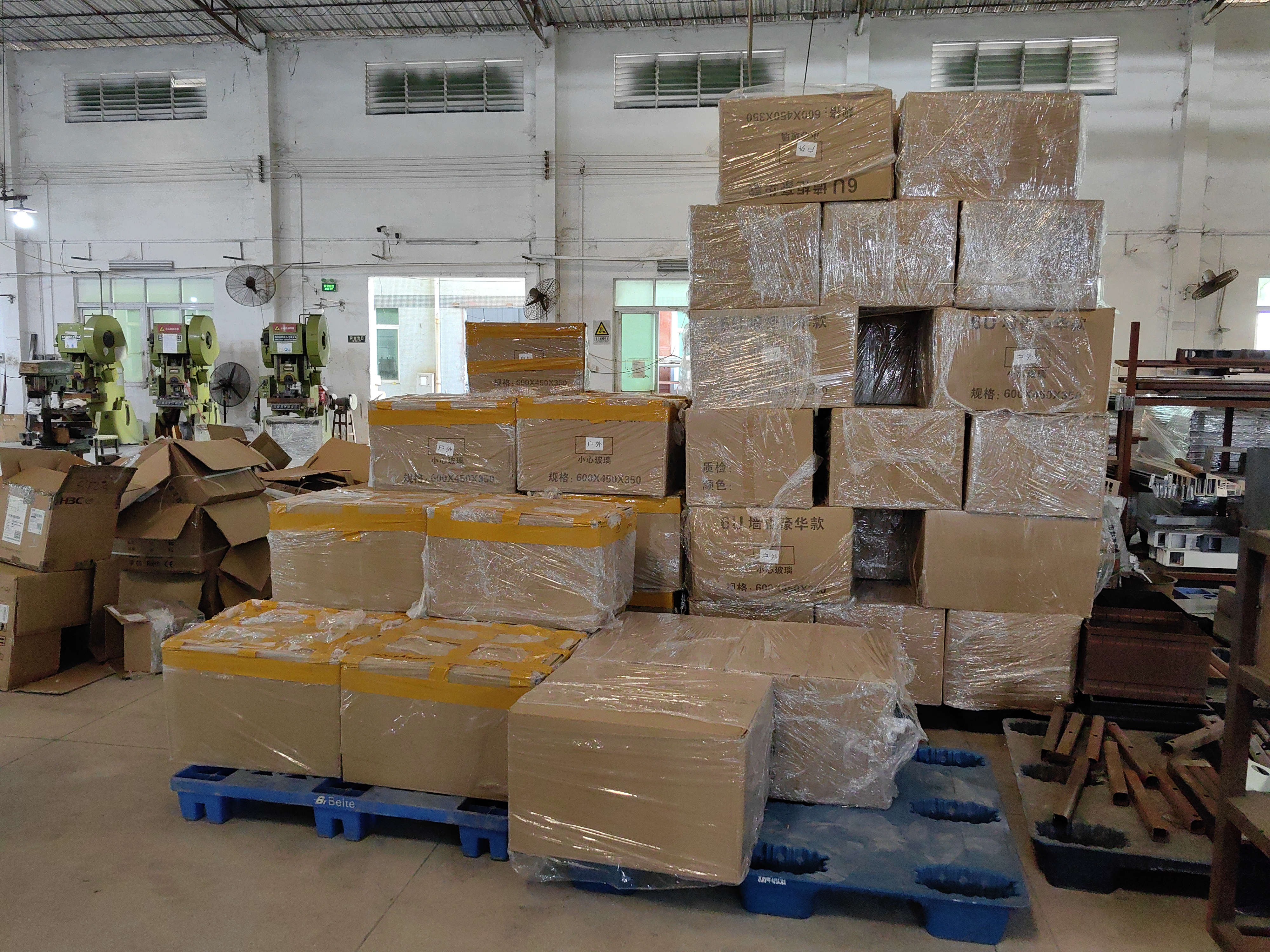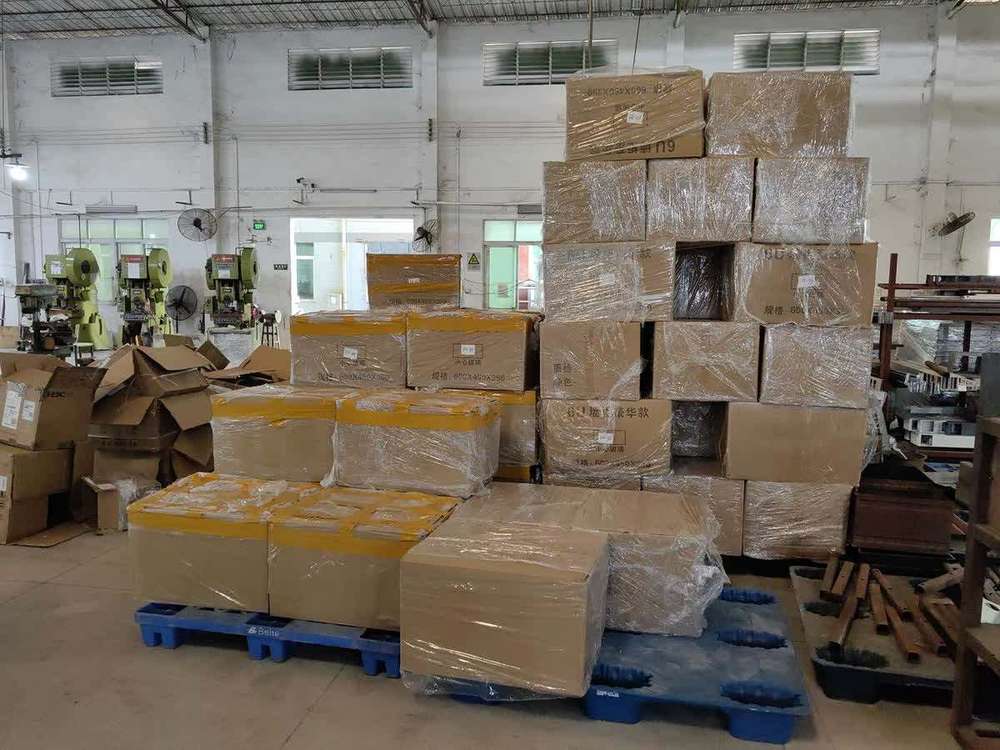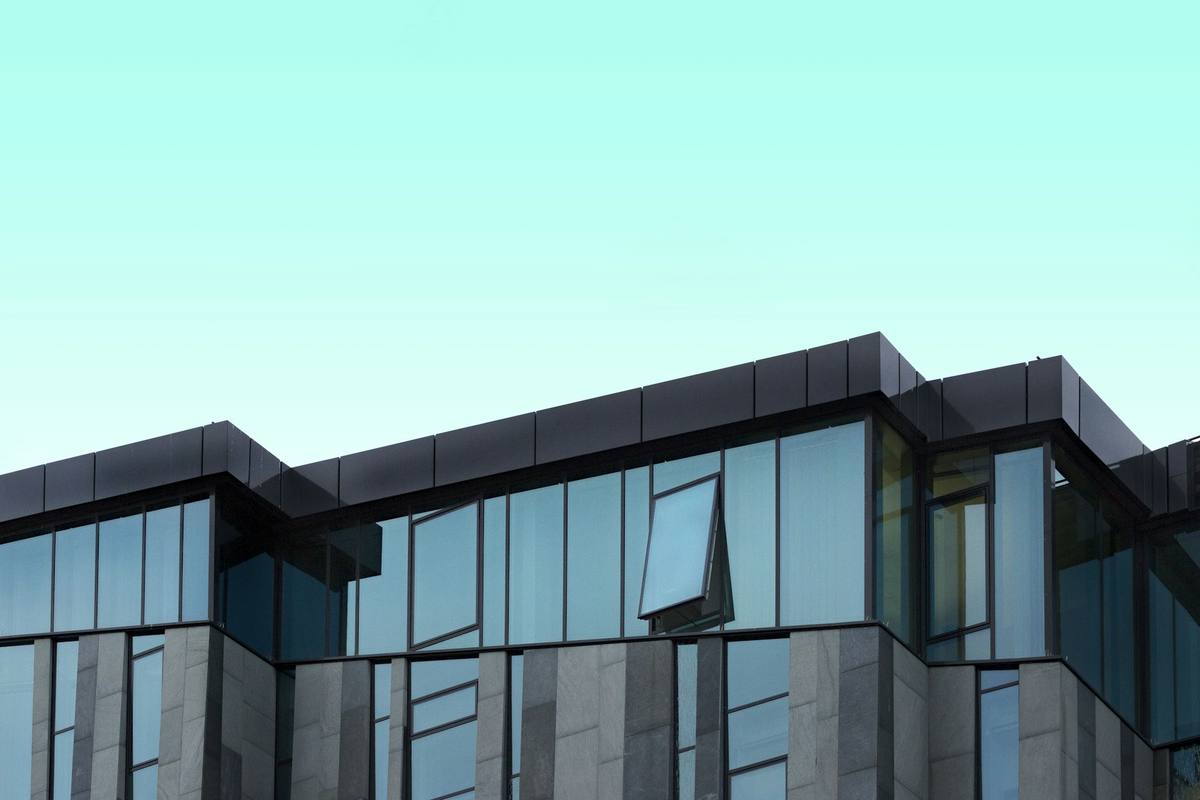

Curtain walls and aluminium windows are the category most often dropped into a price comparison table as “ordinary building material” - and the category that most often fails on site.
“Aluminium windows + glass curtain wall” on a BOQ is never one product. Aluminium profiles come out of an extrusion plant, glass out of an insulating glass line, hardware out of a hardware factory, and structural glazing silicone and weather sealant from two more suppliers - all finally assembled at a window fabrication plant or curtain wall plant. Miss any one of them and the site hands it back to you as “colour difference”, “air leakage”, “frame and sash don’t match”, or “glass dew point out of spec”. The cost of redoing a whole elevation is usually an order of magnitude higher than the money you saved on the goods.
This article follows the order a buyer actually hits: how to split the four sub-packages, how the industrial belts divide the work, which parameters to lock down on the quotation, what you must check at inspection, and how tooling fees and production scheduling work.
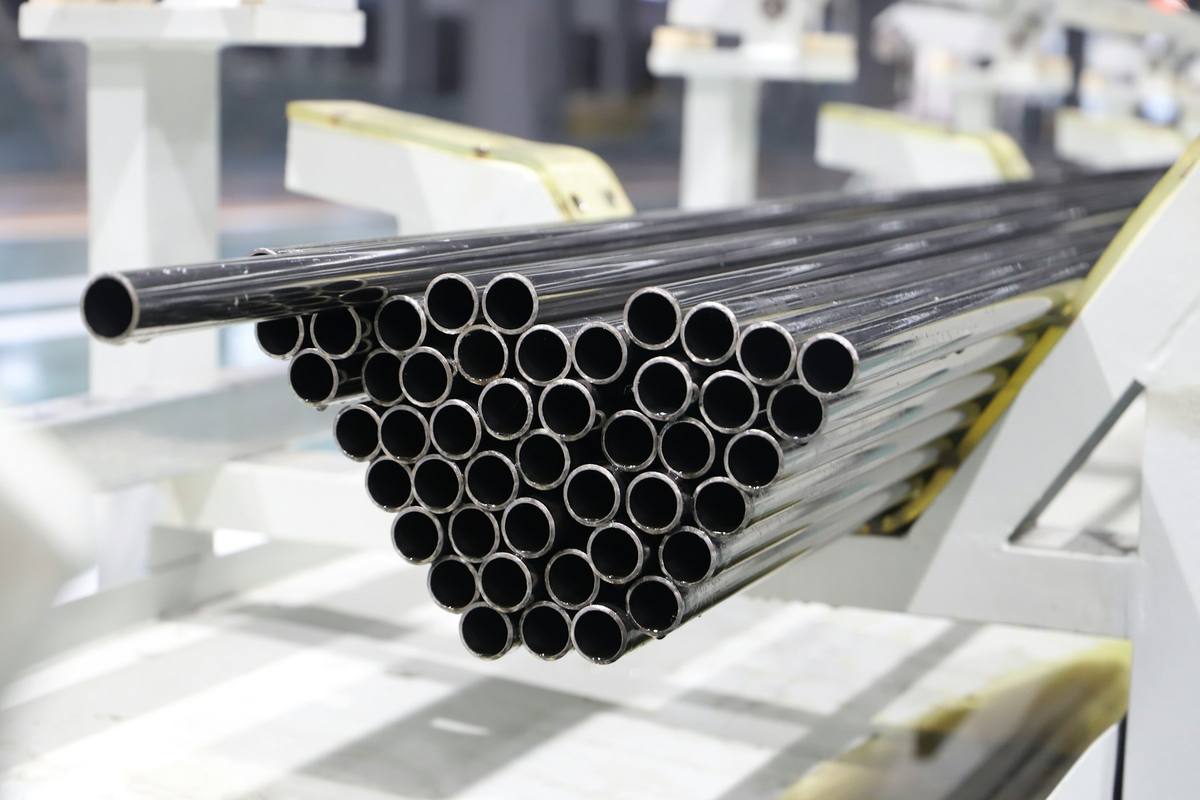
First, Split the Package: You Are Actually Buying Four Packages
When you search “curtain wall supplier” or “aluminium window manufacturer”, first confirm whether you want a finished product or materials plus fabrication. Most “window factories” in China are actually assembly plants - profiles and glass are both bought in. The ones that genuinely extrude profiles are extrusion plants; the ones that make glass are glass processing plants. Different order structure means a very different cost.
| Sub-package | Typical supply base | What you must provide | Most common corner-cutting |
|---|---|---|---|
| Aluminium profile extrusion + surface treatment | Foshan Guangdong, Shandong Linqu, Jiangsu, Zhejiang | Section drawings (with wall thickness and thermal break groove) | Wall thickness run to the bottom of the national tolerance, PVC strip passed off as PA66 thermal break, anodising film too thin |
| Glass (double glazed / laminated / Low-E) | Guangdong, Hebei, Jiangsu | Glass build-up, dimensions, hole positions, frit requirements | Cavity gas fill never tested, Low-E coating face installed the wrong way, toughening mark not matching actual test |
| Hardware (hinges / handles / friction stays / multi-point locks) | Zhongshan Guangdong, Zhejiang, Jiangsu | Frequency of use, opening type, cycle life requirement | Stainless steel downgraded below 304, coating too thin, load rating overstated |
| Structural sealant / weather sealant / gaskets | Guangdong, Jiangsu | Substrate, joint dimensions, weather resistance requirement | Non-structural sealant used in structural joints, EPDM passed off as silicone |
Get one thing straight: you want a system that can be reproduced from drawings, not a window that looks like the photo. So the first document is not an RFQ - it is a section drawing with wall thickness and groove dimensions.
How the Industrial Belts Divide the Work: Foshan and Shandong Are Not the Same Thing
Aluminium profile production in China has split into two clearly different blocks. Which one you choose depends on whether your order is a “standard product run” or “custom tooling from project drawings”.
| Industrial belt | Strength | Better suited to | What to watch in purchasing |
|---|---|---|---|
| Foshan, Guangdong (Nanhai area) | Complete extrusion and surface treatment, with hardware, glass and sealant all within an hour’s drive | Multi-package one-stop, tight-schedule projects | Many factories, mixed sizes; the same drawing gets completely different wall thickness quotes from different plants, so check item by item |
| Shandong Linqu | Large northern aluminium profile cluster, concentrated extrusion capacity | Single profile specification, volume runs, routine surface treatment requirements | Ancillary parts must be sourced elsewhere; glass and hardware often come from another province |
| Zhaoqing / Qingyuan, Guangdong | Spillover extrusion belt, lower labour and energy cost | Large tonnage, long lengths, non-standard sections | Surface treatment lines are not always in-house - ask whether anodising is outsourced |
| Zhejiang / Jiangsu | Industrial profiles, system windows and curtain wall fabrication plants concentrated here | System windows, unitised curtain wall fabrication | Strong fabrication but profiles mostly bought in - state clearly whether the cost basis includes profiles |
For the same section, a Foshan quote may be 8-15% higher than Shandong, but the freight saved, the coordination time on ancillary parts and the rework risk usually make that difference worth paying. Do not compare on price per tonne alone.
One more point: if your project is overseas, shipping the full project package (windows + hardware + glass + sealant) in one consolidated container saves at least two rounds of customs clearance and at least one site delay of “glass arrived, hardware didn’t”.
The 12 Parameters That Must Appear on the Quotation
The most expensive sentence in this industry is “same as my last batch”. If any one of the 12 items below is not reduced to a number on the quotation, you will pay for it in cash later.
| Parameter | Industry norm | Common deviation | How to verify |
|---|---|---|---|
| Aluminium profile grade | 6063-T5 for windows; 6063-T6 / 6061-T6 can be specified for curtain wall mullions | T5 quoted as T6 | Ask for material report (chemical composition + mechanical properties) |
| Wall thickness of main load-bearing members | >=1.4 mm nominal wall thickness for main load-bearing window members; 2.0-3.0 mm for curtain wall mullions and transoms | Produced to the bottom tolerance, measuring around 1.30 mm | Calliper measurement + micrometer re-check, sample 5 pieces and take the minimum |
| Thermal break strip | PA66 + 25% glass fibre (PA66+GF25) | PVC strip (cheaper, ages quickly) | Check the strip marking, run a 180 degree bend test - PVC cracks |
| Anodising film thickness | Normally >=10 um | 6-8 um also shipped | Multi-point on-site measurement with a film thickness gauge |
| Powder coating film thickness | >=40 um | 20-30 um | Film thickness gauge + cross-hatch adhesion |
| PVDF coating | >=25 um, with a defined resin content | Polyester passed off as PVDF | Ask for coating brand and batch certificate |
| Glass build-up | e.g. 6+12A+6 double glazed, Low-E coated, laminated 6+1.52PVB+6 | Cavity gas fill never tested, coating face reversed | Check the 3C marking on glass, dew point test, verify coating face orientation |
| Hardware load and life | Grade set by opening type (e.g. friction stay load class, number of multi-point lock points) | Downgraded spec, thin coating | Count the points + check brand and model word-for-word against the quotation |
| Sealant category | Structural glazing silicone / weather sealant specified separately | Ordinary weather sealant used in structural positions | Check cartridge batch number and expiry, verify substrate compatibility report |
| Performance testing | Air permeability, water tightness, wind load resistance (the “three performance tests”); curtain walls also need in-plane deformation | Sample made but no report issued | Request the original third-party test report number that can be verified |
| Wind load design value | Calculated to local project code, typically 1.5-3.0 kPa | Sample parameters copied directly | Ask for the calculation sheet, not just “built to sample” |
| Tooling and MOQ | One profile die typically RMB 3,000-8,000 (by section complexity); single profile often 1-3 tonnes minimum | Vague tooling fee, new die charge for every section change | State on the quotation who owns the die |
Note that last row: the tooling fee is not a pricing issue, it is an asset issue. Who owns the die decides whether you pay for it again when you switch factories in year two or three.
Inspection: Third-Party Test Reports + 6 On-Site Actions
Inspection for aluminium windows and curtain walls has two layers: performance testing (the report layer) and finished goods pre-shipment inspection (the on-site layer). Neither one alone counts as a completed inspection.
At the report layer, the project requirements are: air permeability, water tightness and wind load resistance (the “three performance tests”); curtain wall projects usually also need in-plane deformation. International projects commonly follow the US standard system - air permeability ASTM E283, structural performance / wind load ASTM E330, water penetration ASTM E331, with AAMA 501.1 for dynamic water penetration. Ask for the report number, not a “photo of a report”.
At the on-site layer, these are the 6 actions we always carry out at the factory:
- Profile spot checks: check sections against drawings, measure minimum wall thickness with a calliper, sample 5 pieces;
- Surface treatment spot checks: multi-point film thickness measurement, sample paint loss / sagging / colour difference against the standard panel;
- Hardware verification: brand, model and number of points checked word-for-word against the contract, open and close each one to test feel and limit stops;
- Glass verification: 3C marking, dimensions, hole positions, Low-E coating face orientation, dew point test on double glazed units;
- Corner crimping and sealing: check corner joint gaps, sealant fill completeness, whether gasket joints are misaligned;
- Packaging and container loading: whether scratch protection is in place, whether glass and profiles are in separate crates, packing list reconciled against quantity.
Sampling can follow the project’s AQL standard, or you can set the sample size on site using our AQL sampling table. As for the factory audit layer (whether production lines are in-house, whether surface treatment is done on site or outsourced), that runs on a different checklist - see the China factory audit guide.
Time and Cost: Tooling, Production Scheduling, Commission
- Tooling: a new section generally takes 7-15 days to first article, including die opening and trial extrusion;
- Production: profile extrusion + surface treatment + fabrication and assembly, normally 25-45 days; curtain wall unit panels take longer because of frame assembly and sealant curing;
- MOQ: single profile often 1-3 tonnes minimum; unitised curtain wall complete panels often 500-1,000 m2 minimum;
- Fee basis: we charge a commission of 5-8% of the factory invoice value. What you see is the factory’s original quote, not a marked-up lump sum; how the fee is calculated and what can cost extra is covered in detail there;
- Quotation turnaround: send us your drawings and BOQ and we return a formal quotation from matched factories within 48 hours; messages are answered within 12 hours (weekends included).
The Three Most Common Traps
- Comparing price per tonne instead of the system. The profile is RMB 500 per tonne cheaper, but glass has to come from another province, hardware has to be sourced separately, and fabrication dimensions don’t match - the total cost ends up higher.
- Incomplete drawings. Give only a rendered elevation and no section drawing or groove dimensions and the factory can only “work from experience”. What comes out won’t take the hardware, and responsibility is impossible to pin down.
- Tooling fee never put in writing. If die ownership is not stated, you pay to open the die again when you move to a second batch at another factory. On orders like this we put die ownership and transfer terms on the first page of the contract.
FAQ
Q1: I only have a rendered elevation, not section drawings - can you still quote? Yes, but one extra step is needed: drawing development first (covering wall thickness, grooves, hardware channels). Development usually costs a few hundred to one or two thousand RMB per set, depending on structural complexity. Tooling after development is far cheaper than tooling and then reworking.
Q2: What is the MOQ? How do samples work? Profiles are counted by section - a single profile often starts at 1-3 tonnes; finished windows are counted by project area; unitised curtain wall panels generally start at 500-1,000 m2. Samples are usually cut sections plus a small sample window. Sample cost and freight are negotiable, and refunding the sample fee after mass production is common practice, but it must be stated on the quotation.
Q3: Who pays for the three performance tests, and how long do they take? The factory commissions a third-party laboratory to test the sample window / curtain wall specimen for the three performance tests. The cost is usually carried in the project (negotiable depending on factory size) and the cycle is about 1-3 weeks. The report must have a verifiable number - this is a hard requirement for overseas project acceptance and insurance.
Q4: How do I confirm the factory is not outsourcing profile extrusion to someone else? Check three things: whether the extrusion line is on site, whether the anodising / coating line is in-house, and whether there is a profile material report traceable to the melt batch. During a factory audit we walk straight into the extrusion workshop and check the output records.
Q5: Can you consolidate windows, glass and hardware into one container for shipment? Yes. This is the one-stop service we handle most often: multiple sub-packages consolidated to the warehouse, crated by project, reinforced packaging, then shipped together - with pre-shipment inspection completed before dispatch.
Next Step: Send Your Drawings, Get Factory Quotes Within 48 Hours
If you have a BOQ or elevation for windows or curtain walls - or even just a hand-drawn section with dimensions - send it over. We will do three things:
- Decide whether this section should go to an extrusion plant or a system window fabrication plant;
- Match 3-5 factories and provide a formal quotation comparison (with wall thickness, film thickness and glass build-up compared item by item);
- Tell you which parameters must go into the contract and which can be optimised for cost without affecting acceptance.
WhatsApp / phone: +86 139 2270 2227 (Guangzhou team, Monday to Saturday 09:00-19:00 GMT+8, replies within 12 hours including weekends). You can also see how we work for every step from enquiry to shipment.
Cluster links: hardware and multi-point locks come out of Zhongshan — see our Zhongshan sourcing page and the Zhongshan cluster guide.