The factory calls: “Everything is finished. Ready to ship — please send the balance payment.”
Would you wire the money? Or would you want someone standing in that factory first?
In ten years of sourcing from China, we have watched too many buyers skip inspection and ship anyway — then open containers overseas to find color mismatches, dead units, crushed packaging, short counts, or a product that has nothing to do with the approved sample. The money is paid, the goods are on the water, and the only remaining conversation is blame.
An order can be worth anywhere from a few thousand to hundreds of thousands of dollars. A pre-shipment inspection typically costs a fraction of one percent of the order value — and it stands between you and container returns, customer claims, platform penalties, and a burned relationship.
This guide walks through the complete quality control process for buying from China: the four inspection stages, what a pre-shipment inspection actually checks, how AQL sampling works (with the lookup table importers actually use), and how to read the report when it comes back.
Why is factory self-inspection not enough?
Let’s be clear about one thing first: factory self-inspection cannot replace an independent inspection — not because factories are dishonest, but because their incentives are structurally different.
A factory is measured on delivery time and cost. Under deadline pressure, inspection steps get compressed. To control scrap rates, defect criteria get loosened. And some problems, the people on the line don’t even know they exist. This isn’t a moral failure — it’s a structural one. Asking the party being checked to certify its own work produces unreliable answers by design.
Cross-border orders add a second layer of cruelty: once goods leave port, the cost of fixing a mistake multiplies tenfold. A full container return = round-trip freight + duties + replacement production time + lost customer trust. We have run this math on too many orders. A problem found in the factory costs a rounding error; the same problem found in an overseas warehouse costs a fortune.
That’s why inspection is not an “option” in a professional sourcing process — it’s standard procedure, especially for first-time factories, high-value orders, and safety-related products (toys, electronics, appliances, furniture).
What are the four inspection stages at a glance?
Many people assume “inspection” means one check before shipping. A professional QC system actually has four stages covering the whole production cycle:

| Stage | Abbreviation | When | What is checked | Best for |
|---|---|---|---|---|
| Pre-Production Inspection | PPI | Before mass production starts | Raw materials, packaging materials vs contract spec; pre-production and approved samples match; tooling and processes ready | New factories, new product categories, appearance-critical goods |
| During Production Inspection | DUPRO | At 10–30% of production complete | Random checks of semi-finished and just-finished units: dimensions, function, appearance, workmanship; color/logo/packaging verification; production progress | Large orders, long production cycles, batch-error risk |
| Pre-Shipment Inspection | PSI | 100% complete, 80%+ packed | The six final checks: packaging, appearance, function, dimensions, quantity, labeling (detailed below) | The default stage for the vast majority of orders |
| Loading Supervision | SL | On container loading day | Verify models and quantities loaded, container clean and dry, prevent mixed/incorrect loading, photo documentation, seal number recorded | LCL shipments, high-value goods, “good goods swapped for bad” risk |
Priority ranking: only one stage → do PSI. Budget for two → PPI + PSI. Large order or new factory → all four.
Buyers who only do the final inspection often find problems after thousands of units are already made — rework, scrapping, and missed shipping windows. DUPRO is the highest-leverage stage: it can stop a systematic error in the first third of production, and one DUPRO visit can cost less than the rework of a single batch.
What does a pre-shipment inspection actually check?
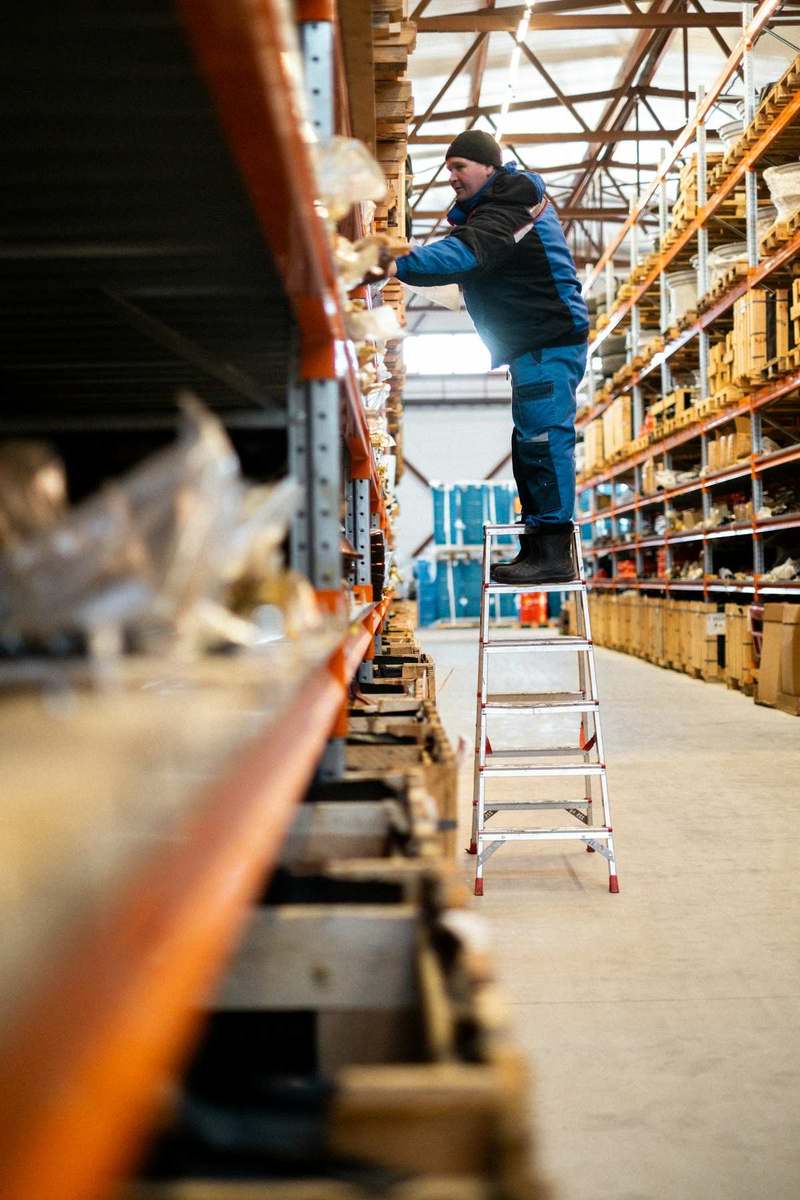
PSI is the most widely used stage and the one people usually mean by “inspection.” The inspector draws a random sample using the international AQL standard (explained below) and checks six categories:
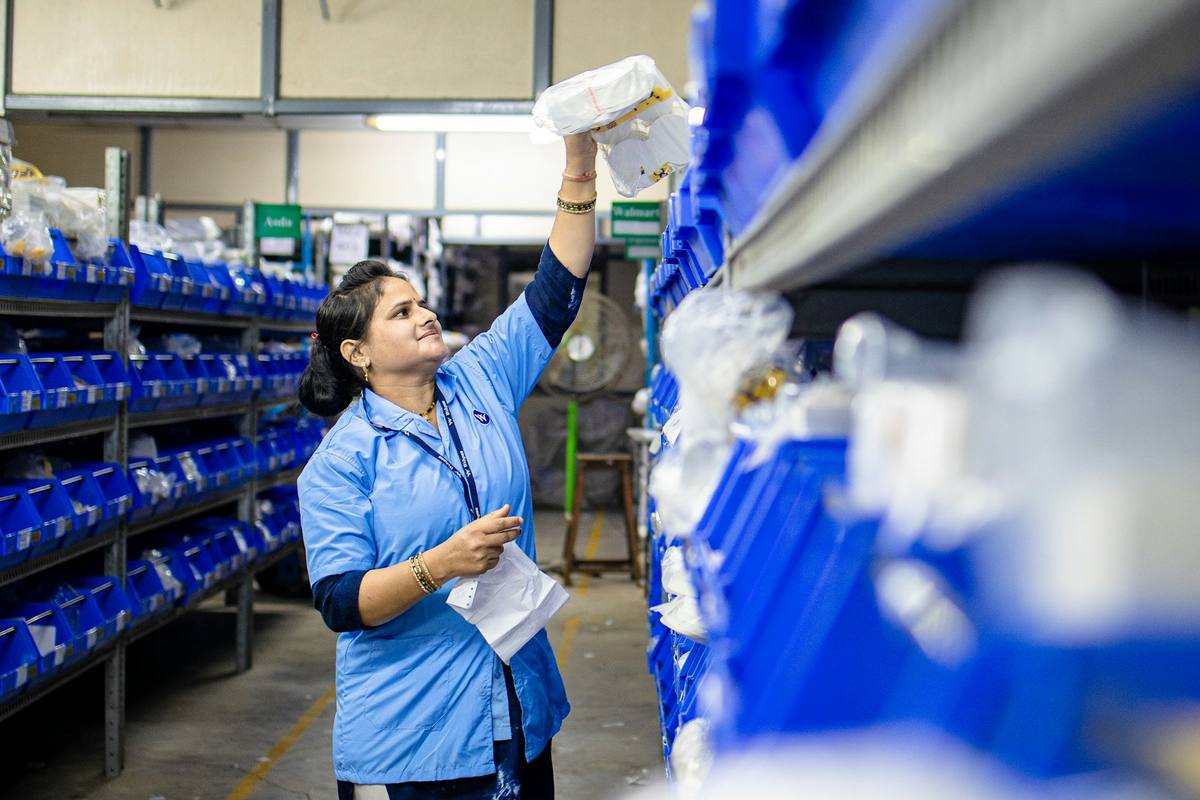
1. Packaging. Carton size and material, shipping marks and labels, inner boxes/color boxes, manuals and warranty cards present, barcodes scan correctly, protective packaging in place (moisture bags, bubble wrap, dividers).
2. Appearance. Scratches, stains, color deviation, excess glue, burrs, deformation; workmanship details — loose threads, seams, even coating; color matched against the approved color card. Appearance defects are the #1 cause of overseas returns, especially for retail-channel products.
3. Function & safety testing. Electronics: power-on test (buttons, ports, display, battery life). Mechanical products: operation and load tests. Toys: small-part swallow test. Furniture: stability test. Products with mandatory safety standards (UL, CE, CPSC, etc.) also get certification marks checked against the certificates.
4. Dimensions & specifications. Measured dimensions vs order drawings; accessory counts and specs. “Off by 2 millimeters” is the problem factories ignore most and overseas customers tolerate least — worn tooling causes it without anyone noticing.
5. Quantity count. Total cartons, units per carton, total quantity vs order; mixed-model/color/size orders checked ratio by ratio. Don’t underestimate this — short-shipment disputes are a large share of cross-border trade complaints, and you can’t prove anything while the goods are at sea.
6. Labeling & compliance. Product labels, warnings, country-of-origin, ingredient labels, barcodes; destination-market compliance (e.g. FCC/CPC in the US, CE and the new packaging rules in the EU). One wrong character on a label can get a whole shipment held at destination customs.
After the six checkpoints, the inspector photographs everything as evidence and issues a formal inspection report.
How does AQL sampling work with a lookup table?
You can’t inspect every unit in a few-thousand-piece order, which is why the whole world uses the same sampling system — AQL (Acceptable Quality Level), governed by the international standard ISO 2859-1 (GB/T 2828.1 in China).
First, fix the most common misunderstanding: AQL is not a simple “how many defects per 100 pieces” percentage. It’s a sampling-and-judgment rule: based on your batch size and inspection level, you look up how many units to sample and how many defects are allowed, then the batch passes or fails on those numbers.
Two parameters are all you need:
- Inspection level. The vast majority of trade orders use General Inspection Level II (the default; no need to decide yourself).
- AQL values. Set by product type and buyer requirement. The most common industry combinations:
- General consumer goods: Major 2.5 / Minor 4.0
- Toys, electronics, safety-critical products: Major 1.0 or stricter
- Luxury goods, precision instruments: Major 0.65 or 100% inspection
Here is the lookup table for General Inspection Level II, single normal sampling (ISO 2859-1 standard data), for batch sizes above 91 units:
| Batch size (units) | Sample size | AQL 2.5: Ac/Re | AQL 4.0: Ac/Re |
|---|---|---|---|
| 91 – 150 | 20 | 1 / 2 | 2 / 3 |
| 151 – 280 | 32 | 2 / 3 | 3 / 4 |
| 281 – 500 | 50 | 3 / 4 | 5 / 6 |
| 501 – 1,200 | 80 | 5 / 6 | 7 / 8 |
| 1,201 – 3,200 | 125 | 7 / 8 | 10 / 11 |
| 3,201 – 10,000 | 200 | 10 / 11 | 14 / 15 |
| 10,001 – 35,000 | 315 | 14 / 15 | 21 / 22 |
How to read it: your order is 5,000 units → look up the row → sample 200 units. Under Major AQL 2.5: ≤ 10 major defects (Ac=10) → pass; 11 or more (Re=11) → fail. Minor defects use the AQL 4.0 column: ≤ 14 pass, 15+ fail.
Three practical rules:
- Major and minor defects are counted separately — never combined.
- Once defects hit the reject number, the inspection fails immediately — no need to finish sampling. It saves time, and the factory has no argument.
- Put your AQL values into the contract or order confirmation before inspection day. Negotiating the standard on-site means the factory will argue for whatever suits them.

What do inspection report results mean and what if it fails?
A professional inspection report ends with a pass/fail verdict. Industry-standard outcomes are three:
| Result | Meaning | What the buyer should do |
|---|---|---|
| Pass | Sample passed; goods can ship | Arrange shipment |
| Pass with Condition | A few minor issues, no impact on use | Confirm the issue list; have the factory correct and re-verify, or ship with a written waiver |
| Fail | Major defects found, or defect count exceeded | Reject; require rework, then book a re-inspection |
After a Fail, the standard sequence is: factory reworks → buyer receives the rework notice → re-inspection is booked → only a pass releases the goods.
Two traps here:
- Reworked goods must be re-inspected — don’t accept “we fixed everything” over the phone. The rework process itself is a new quality risk.
- Who pays for re-inspection must be written into the contract before ordering. Industry convention: rework caused by factory quality issues → factory pays; re-inspection caused by buyer’s changed requirements → buyer pays. Written down, it prevents an argument later.
What is the difference between factory audit and product inspection?
“Audit” and “inspection” are one word apart in Chinese and two completely different services — new importers mix them up all the time:
| Dimension | Factory Audit | Product Inspection |
|---|---|---|
| What is checked | The factory itself | The product itself |
| Focus | Licenses, production lines, equipment, capacity, quality systems, social compliance (worker hours, fire safety, environment) | Final goods: packaging, appearance, function, dimensions, quantity, labeling |
| When | Before/at first cooperation; half a day to a day per visit | Every order, per stage, throughout the relationship |
| Question answered | Is this factory reliable — can it deliver on time and to spec? | Is this batch acceptable — can it ship? |
| Frequency | Low (once per supplier, periodic re-audits) | High (every order, every batch) |
Simple way to remember: the audit is the pre-marriage background check; inspection is the annual health check. The audit helps you choose the right supplier; inspection ensures every batch ships right. They complement each other — we cover audits in detail in our China Factory Audit Guide.
Is third-party inspection worth it when you do the math?
Third-party inspection is billed per man-day (one inspector’s day of work), and the price varies by product, city, and season. Whether it’s worth it is simple arithmetic:
- A 5,000-unit order with a goods value of, say, $50,000;
- One PSI inspection typically costs well under 1% of that value;
- A full container failing overseas: return freight + duties + replacement production + late-delivery penalties — easily 10–30% of the order value, plus a possibly lost customer.
In other words: inspection is a ~1% certain cost that hedges a 10–30% tail risk. For first-time factories, large orders, and safety-related products, the math works at almost any price point.
One honest caveat: third-party inspection is not magic. Sampling has an inherent miss probability — which is exactly why serious buyers stack PPI + DUPRO + PSI to thin the risk layer by layer. The real value of inspection is not “guaranteed zero defects”; it’s “problems exposed before shipment, with evidence in writing.” Factories, freight forwarders, and insurers all accept an inspection report as evidence.
How do we run quality control as a Guangzhou sourcing agent?
As a sourcing agent based in Guangzhou, inspection is the core of our daily work — and it works differently from hiring a third-party inspector once in a while:
- Local team, on-site fast: our inspectors are based in the manufacturing clusters — same-day appointments, no scheduling queues, no travel fees. The factory suddenly changes the production plan? We show up at the workshop.
- Reports the same day: full photo-and-data reports the same day as the inspection, with conclusions you can read remotely.
- We follow rework to completion: after a Fail we don’t just hand you a report — we watch the rework, book the re-inspection, and only release the goods once they pass. Who pays for re-inspection is enforced per the contract, in writing.
- Payment tied to inspection results — the biggest difference: our payment schedule is linked to inspection results — the balance releases only after inspection passes. The factory knows the money is gated on quality, so it doesn’t dare cut corners. That works better than any “trust.”
- A closed loop: inspection is one link in our quality control service, preceded by supplier screening and sample approval, followed by shipment, loading supervision, and logistics — one ticket from factory floor to your door.

FAQ
How far in advance should I book an inspection? Generally 2–3 working days; during peak season (August–November) book a week ahead. Urgent orders can sometimes be inspected same-day, but scheduling isn’t guaranteed.
How long does one inspection take? One inspector for one day (about 8 hours) is typical. Sampling 200 units usually takes 2–4 hours; the rest goes to report preparation. 100% inspection and loading supervision are billed separately.
Who sets the AQL values? The buyer sets them, written into the order contract. Factories will usually suggest a looser standard; the buyer decides based on product risk. Not sure? Use the industry default: Major 2.5 / Minor 4.0.
Can I cancel the order if inspection fails? You can reject the goods, but canceling depends on your contract terms — the normal path is rework + re-inspection, and only after two failed re-inspections does the buyer typically have the right to cancel and claim compensation. Writing inspection terms into the contract before ordering is worth far more than arguing afterward.
Is PSI alone enough? For a mature supplier and a stable product you’ve ordered repeatedly, yes. For a first-time factory, large order, or safety-related product, strongly consider PPI + PSI, or add DUPRO.
What is the one-sentence takeaway?
Inspection isn’t fault-finding — it’s spending ~1% to confirm 100% peace of mind. A problem stopped at the factory costs a rounding error; a problem that sails overseas costs a fortune.
If you’re sourcing from China, whatever the order size, it’s worth locking your inspection stages first. Send us your product spec, quantity, and delivery date and we’ll return a custom QC plan (stages + AQL + cost). Contact us or reach us on WhatsApp (+86 139-22702227) — we’ll reply the same day.
📥 Free tool: download our AQL Sampling Quick Reference Excel — batch sizes, sample sizes and Accept/Reject numbers (ISO 2859-1) in a ready-to-use workbook. Or take the 2-minute China Sourcing Readiness Quiz to see your biggest risks before you order. Landing supervision is billed separately from inspection — the Container Loading Checklist (Excel) covers the checks that happen after the inspector leaves, while the goods go into the container.