Search for help buying from China and you’ll find dozens of articles telling you to “use a sourcing agent” — but very few explain what one actually does, what you should pay, and how to tell a real agent from a middleman in disguise. This guide covers all of it, based on 13 years of running a sourcing agency in Guangzhou and thousands of factory visits.
You’ll learn: what a sourcing agent does, what one costs, how to find a reliable agent in China, how the job differs from buying agents and trading companies, whether you need one at all, and — if you’re on the other side — how to become a sourcing agent yourself.
What Is a Sourcing Agent?
A sourcing agent is a professional who helps businesses find, verify and negotiate with manufacturers, then manages the order through quality control and shipping. For buyers sourcing overseas, the agent acts as a local purchasing department: someone who knows the factories, the language and the real prices, and who works for you rather than for the supplier.
The core value of a sourcing agent is not “finding a factory” — anyone can search Alibaba. The value is in verification. A sourcing agent walks into factories unannounced, checks production capacity, confirms the factory is not a trading company in disguise, and inspects your goods before they ship. That is what turns a blind online order into a controlled purchase.
What Does a Sourcing Agent Actually Do?
A full-service sourcing agent handles the whole chain from product idea to delivered goods:
- Supplier research — finding factories that can actually make your product to your specification and budget.
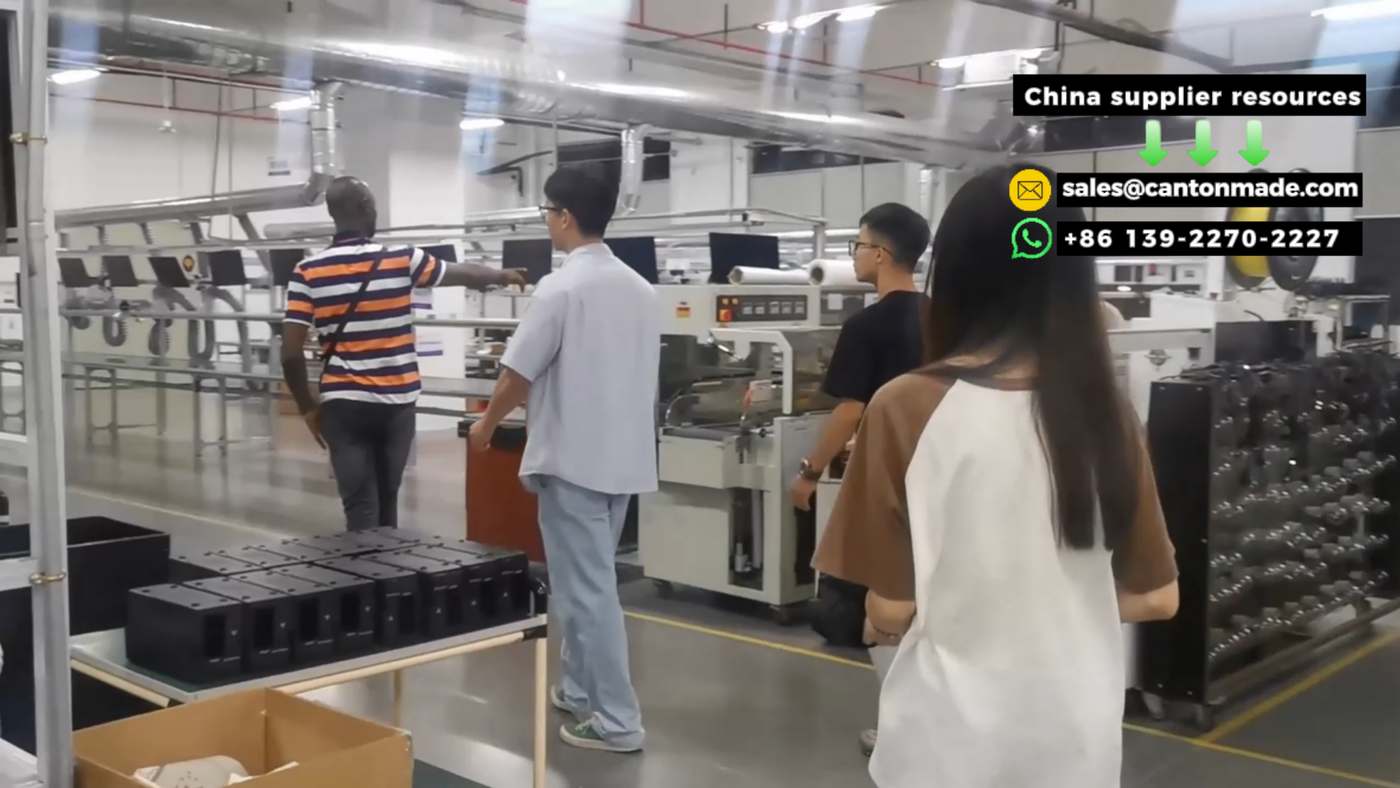
- Factory verification — visiting the factory on site, checking licenses, production lines, certifications and export track record. This is where most scams are caught.
- Price negotiation — negotiating the factory price, payment terms and delivery schedule on your behalf, using market knowledge you don’t have from abroad.
- Sample management — ordering, reviewing and approving samples before any bulk production.
- Contract and order placement — placing the order with the verified factory and tracking production milestones.
- Quality control — inspecting during production and before shipment, using AQL sampling with photo-documented findings.
- Logistics coordination — arranging freight, export paperwork and delivery to your door or fulfillment center.
- Problem solving — handling delays, defects, specification changes and disputes while they are still fixable in China.
Not every agent does all eight. Some only do sourcing (steps 1–3), others are full-service (1–8). Before you hire, ask exactly which steps are included — the answer tells you what you’re paying for.
What Is a Sourcing Agent in China?
A sourcing agent in China is a local professional or company that works on behalf of international buyers to find and manage Chinese factories. The job combines supplier research, factory verification, price negotiation, quality inspection and shipping coordination inside China — a single point of contact that sits between the importer and the factory.
China is the world’s largest manufacturing base, which is exactly why agents are so common here: the market is vast, the language barrier is real, and quality varies enormously between factories. An agent on the ground can visit a factory in Guangdong in the morning and a second one in the afternoon, watch the production line run, and check your goods with their own eyes. A buyer doing the same by email would take weeks and still not see the actual workshop.
The most important thing to understand about sourcing agents in China: the good ones show you the factory invoice. That single document proves they are working for you and earning a transparent fee — not marking up the goods and calling the difference a “commission.”
How does a sourcing agent differ from a buying agent or trading company?
| Type | What they do | Best for | Typical fee |
|---|---|---|---|
| Independent agent | One person handling sourcing and QC for a few clients | Buyers who want a personal relationship | 5-8% commission |
| Sourcing agency | A team covering sourcing, inspection, warehousing and shipping | Importers with regular orders and quality requirements | 5-8% or flat per-project fee |
| Full-service sourcing & logistics company | Sourcing plus freight, warehousing and fulfillment | End-to-end importers, dropshippers | Commission + service fees |
| Trading company (agent in name) | Buys from factories and resells to you at a markup | Small, one-off orders of standard goods | 10–30% hidden markup |
| Freelancer (Upwork/Fiverr) | Task-based sourcing help, often remote | Simple research or supplier lists | Hourly or flat |
The fourth type deserves special attention. Many businesses in China call themselves “sourcing agents” but actually operate as trading companies — they buy from the factory and sell to you with a markup. That’s not necessarily dishonest, but it’s not sourcing. The test is always the same: do you see the factory invoice?
How Much Does a Sourcing Agent Cost?
Most China sourcing agents charge 5-8% commission on the factory order value. A flat per-project fee is common for simple tasks (find and verify a factory, get quotes), and large importers with ongoing volume can negotiate rates down. Shipping, inspection and sample costs are normally billed separately at cost.
The trap to avoid is the agent whose “fee” is invisible. If an agent quotes you a price and refuses to show the factory invoice, you are probably paying a 10–30% markup on top of the factory price — not a 5-8% commission. A transparent agent shows you the factory invoice, and their commission sits on top of that verified price.
For a deeper breakdown of fee models, minimum charges and negotiation tips, see our full guide: how much a sourcing agent in China costs.
How to Find a Sourcing Agent You Can Trust
There are five channels that actually work:
- Referrals — other importers in your industry are the best source. Ask what agent they use, what the agent costs, and what went wrong.
- Trade platforms — Alibaba and Global Sources list agencies and agents, but treat profiles as marketing, not proof.
- Trade shows — the Canton Fair and industry shows are where real agents and factories exhibit side by side. Walk the floor and compare.
- LinkedIn and procurement communities — useful for finding independent agents with visible track records.
- Freelance platforms — Upwork and Fiverr for task-based work, not for long-term quality control.
Once you have candidates, run them through the same verification you would apply to a factory:
- Ask for the factory invoice from a recent order — a real agent sends it without hesitation.
- Ask for a live video walkthrough of a factory they work with, on short notice.
- Ask for a sample inspection report with photos — real QC is documented.
- Ask how many factories they work with, by category, and visit frequency.
- Ask for the fee structure in writing, before any commitment.
If an agent stalls on any of these, that’s the answer.
How to Become a Sourcing Agent
If you’re considering the career from the other side, the path is straightforward but takes time:
- Specialize in one industry — electronics, furniture, apparel, hardware. Learn its factories, materials, price points and common defects.
- Build supplier relationships — attend trade shows, visit factories, and develop a network of verified manufacturers with real production lines.
- Learn the core skills — negotiation, AQL sampling and inspection procedures, Incoterms (FOB, CIF, DDP), export documentation and payment methods (T/T, L/C, escrow).
- Start with a few clients — independent agents typically begin with personal projects or referrals, delivering supplier research and factory audits for a flat fee.
- Document everything — inspection reports with photos, audit checklists, factory invoices. Your track record is your marketing.
- Grow into an agency — once you have repeat clients, add QC staff, a warehouse, and logistics capability.
The industry rewards proof over promises. An agent with 50 documented factory audits and a folder of inspection reports will always beat one with a slick website.
Sourcing Agent vs Buying Agent vs Trading Company
These three are constantly confused, and the difference matters:
| Sourcing agent | Buying agent | Trading company | |
|---|---|---|---|
| Works for | The importer | The importer | The factory |
| Core job | Find & verify factories | Full purchase management | Sell products at markup |
| You see the factory price? | Yes | Usually yes | No |
| Fee | 5-8% commission | 5-8% or flat fee | Built into the price |
| Best for | Project-based buyers | Importers who want hand-holding | Small, standard orders |
In practice the lines blur — most good agents in China do both sourcing and buying. The distinction that actually matters is the trading company: it is not an agent at all, it is a reseller. If you’re choosing between models, our two dedicated guides cover this in depth: buying agent vs sourcing agent and sourcing agency vs trading company.
Do You Need a Sourcing Agent?
Hire one when:
- You buy from China regularly — the fee amortizes across orders.
- Your product needs quality control you can’t verify remotely — electronics, branded goods, anything with safety implications.
- You’re sourcing a new product category and don’t know which factories are real.
- A bad shipment would cost more than 5-8% of the order value.
- You want one accountable point of contact instead of chasing factories yourself.
Skip one when:
- You already have a verified factory relationship that works.
- Your product is simple and standard, like commodity packaging.
- Your order is a tiny one-off trial and the risk is acceptable.
- You are buying from a platform with strong buyer protection (Alibaba Trade Assurance) and accept the platform’s limits.
When in doubt, use the agent for the risky part only — factory verification and inspection — and handle the rest yourself.
Frequently Asked Questions
What does a sourcing agent do?
A sourcing agent is a professional who helps businesses find, verify and negotiate with manufacturers, then manages the order through quality control and shipping. In practice a sourcing agent finds factories that match your product and budget, audits that they are real and capable, negotiates pricing and terms on your behalf, checks product quality during and after production, and coordinates logistics and export paperwork. The goal is to give an overseas buyer the same control and visibility a local purchasing department would have.
What is a sourcing agent in China?
A sourcing agent in China is a local professional or company that works on behalf of international buyers to find and manage Chinese factories. The job combines supplier research, factory verification, price negotiation, quality inspection, and shipping coordination inside China. Because the agent is on the ground, they can visit factories in person, speak the language, check quality before shipment, and solve production problems at the source — which is why importers use them instead of negotiating directly with factories through email.
How much does a sourcing agent make?
A sourcing agent’s income depends on the model: independent agents typically earn 5-8% commission on order value, agencies charge a similar commission or a flat per-project fee, and in-house sourcing employees earn a salary. For reference, ZipRecruiter reported the average annual salary for a US-based sourcing agent at $70,070 in August 2026. For buyers, the practical cost is usually 5-8% of the order for a full-service agent, or a negotiated flat fee for simple projects.
Who is the best sourcing agent in China?
There is no single best sourcing agent in China — the right one depends on your product, order size and quality requirements. To find the best fit, ask every candidate four questions: can they show you the factory invoice (proving they work for you, not the factory), will they visit factories on site, do they run their own in-house quality inspection, and will they name their fee openly. The agent that answers all four with evidence, and has experience in your specific product category, is the best one for your project.
How much does a sourcing agent cost?
Most China sourcing agents charge 5-8% commission on the factory order value. Some offer a flat per-project fee for simple sourcing tasks, and large importers with ongoing orders can negotiate lower rates. Shipping and inspection are usually billed separately at cost. The key is transparency: a trustworthy agent shows you the factory invoice so you can see the real factory price, and their commission sits on top of that verified price instead of being hidden inside a markup.
Do I need a sourcing agent?
You need a sourcing agent when you buy from China regularly, need quality control you cannot verify remotely, or are sourcing a product where a wrong factory would be expensive. You can skip an agent if you already have a verified factory relationship, your product is simple and standard, or your order is so small that the commission outweighs the risk. As a rule of thumb: if a bad shipment would cost you more than 5-8% of the order value, an agent pays for itself.
How do I find a sourcing agent in China?
The reliable ways to find a sourcing agent in China are: referrals from other importers in your industry, trade platforms like Alibaba and Global Sources, procurement communities and LinkedIn, and trade shows like the Canton Fair where agents and factories both exhibit. Before hiring, verify the agent with the same rigor you would apply to a factory: ask for the factory invoice, request a live video walkthrough of a factory they work with, and ask for a sample inspection report.
What is the difference between a sourcing agent and a buying agent?
A sourcing agent focuses on finding and qualifying the right factory for a product. A buying agent handles the entire purchase — sourcing, ordering, payment follow-up, inspection and shipping — and is usually a better fit for importers who want hand-holding. In China the two roles overlap heavily, and most good agents do both. The practical difference is scope: a sourcing agent gets you the factory, a buying agent gets you the goods.
How do I become a sourcing agent?
To become a sourcing agent, start by specializing in one industry and learning its factories, materials and price points. Then build supplier relationships through trade shows and platforms like Alibaba and Global Sources, and learn the core skills: negotiation, quality inspection (including AQL sampling), Incoterms, and export logistics. Most agents start independently with a few client projects, build a track record of inspection reports and factory audits, and grow into an agency once they have repeat clients.
Is a sourcing agent worth it for small orders?
For small orders, a sourcing agent is worth it when the risk per order is high — for example a single container, a branded product, or a first-time factory relationship. The 5-8% commission on a small order is a small absolute amount, and it buys factory verification and inspection that prevent a total loss. For very small trial orders you can often use the agent for the sourcing and factory-audit step only, and pay a flat fee instead of full commission.
The Bottom Line
A sourcing agent is your buying department that happens to sit in Guangzhou. Used well, it gives you verified factories, honest pricing and inspection before your goods ship — and it costs less than the disasters it prevents. The single test that separates a real agent from a middleman remains the same: do you see the factory invoice?
At Cantonmade we’ve spent 13 years sourcing electronics, security systems and industrial products for importers in the US, Africa, the Middle East and Asia — with in-house QC, our own warehouse and the factory invoice always on the table. If you’re not sure whether you need an agent, send us your product specs and we’ll tell you honestly. Start a free consultation, chat with us on WhatsApp, or see how sourcing works with us.
For related reading: how a sourcing agent works, buying agent vs sourcing agent, sourcing agency vs trading company, why you need a sourcing agent, and how to source products from China. And if you’re comparing providers, start with our China sourcing agents comparison guide.
Related: how to compare factory quotes in China — what a healthy price gap between two quotations actually tells you.
Related: manufacturing sourcing agents — what changes when your product is industrial or project-based rather than consumer goods.