You need a set of custom parts — not something you can pick off a shelf, but a drawing, a bill of materials (BOM), and a set of tolerance requirements. You need someone to find a factory that can actually make them, manage the tooling, get the first article approved, and then watch the production run without it going off the rails.
That’s a completely different kind of buying than “walk the market and grab stock.” If you’re searching for a “manufacturing sourcing agent,” you’ve already realized a regular buyer or forwarder can’t do this. This guide explains manufacturing sourcing agents in full: how they differ from a regular sourcing agent, when you genuinely need one, how the fees should be structured so you don’t get nickel-and-dimed, and the checks that separate a reliable agent from a bad one.
How is a manufacturing sourcing agent different from a regular sourcing agent?
A regular sourcing agent buys existing things. A manufacturing sourcing agent turns your drawing into a physical part. The core difference comes down to — do you have a design, and is engineering in scope?
| Dimension | Regular Sourcing Agent | Manufacturing Sourcing Agent |
|---|---|---|
| What you’re buying | Off-the-shelf products (stock items / general goods) | Custom-machined or custom-fabricated parts, components, made to drawing/spec |
| What you hand over | Product requirements, model number, selling points | Drawings, BOM, tolerances, materials, surface finish standards |
| Core job | Compare prices, audit factories, inspect goods, ship | Interpret the drawing → find the right process-specific factory → manage tooling → watch first articles → control production quality |
| Skill bar | Know the market, know how to negotiate | Know engineering: tolerances, material grades, surface finishes, manufacturing processes, inspection methods |
| Key risk | Wrong goods, middleman markup | Tolerances not met / material silently swapped / tooling you can’t recover / mass production started before first article passes |
One line: A regular agent is accountable for the goods; a manufacturing agent is accountable for the drawing. You hand over a drawing that has to be producible on a shop floor. He needs to read the tolerances on it and judge which factory can hit them. That’s the real difference between a “manufacturing sourcing agent” and an ordinary buyer.
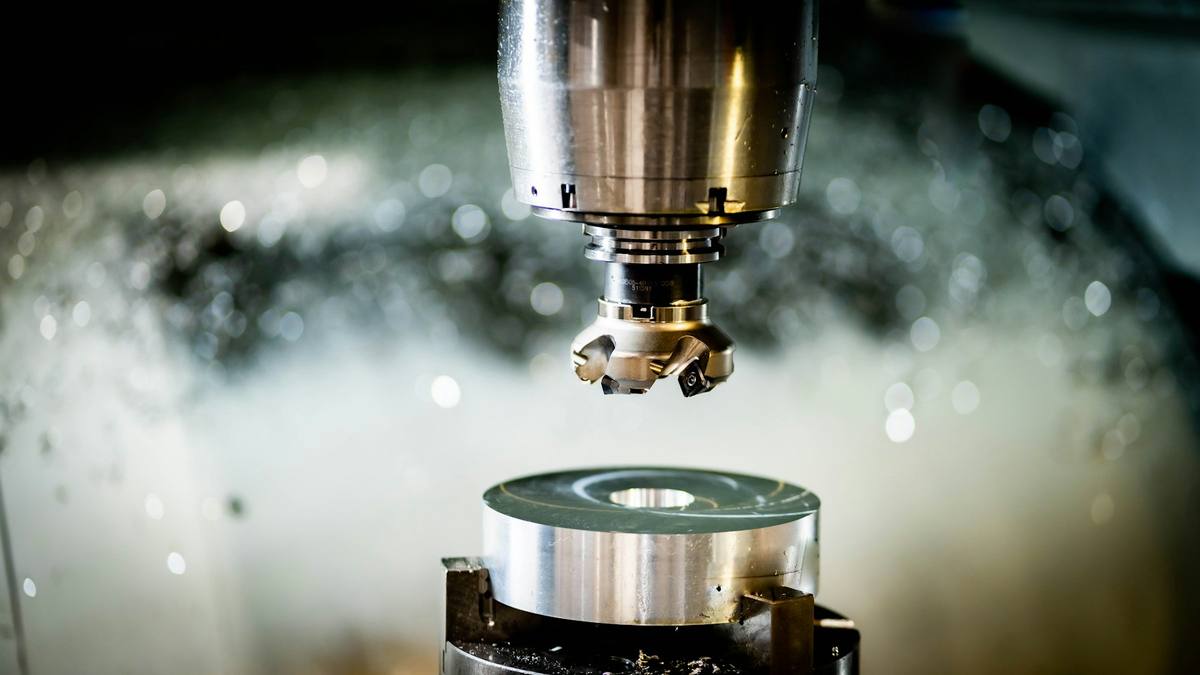
When Do You Need a Manufacturing Sourcing Agent?
Not every purchase needs one. These four situations are worth it:
- You have a product in development: going from prototyping to mass production needs to happen in stages. Tooling, materials, and process each need watching at every step.
- Your parts come from multiple factories: your product is assembled from parts made by different suppliers (screws, brackets, PCBA, and housings from different plants). You need one party coordinating delivery dates and quality across all of them.
- You understand the drawing, but you don’t know Chinese factories: you know your tolerances, but not which factory in the Pearl River Delta does injection molding, which does CNC, which does sheet metal. You need a local to vet the factories for you.
- Large volumes, high spend, and a fatal cost of rework: custom parts have high tooling cost plus trial-and-error cost. One wrong step and the money compounds.
How does a manufacturing sourcing agent charge, transparently or hidden?
The fee structure is where manufacturing sourcing goes wrong the most. Three common models:
| Fee model | How it’s calculated | Best for | Risk |
|---|---|---|---|
| Transparent commission | 5%–8% of order value, factory invoice shown to you, commission listed on its own line | Most manufacturing sourcing projects | Low — you see the real factory price |
| Fixed project fee | A single flat service fee for the whole scope | Small orders, simple drawings, well-defined scope | Medium — if the fee is comfortable, they may stop pushing hard on price |
| Hidden markup | A per-unit “all-in” price; the difference is buried in the unit price and you never see the factory price | — | High — a typical 20%–30%, sometimes more |
Here’s the single test for whether an agent is trustworthy: will he lay the factory’s real quote in front of you unchanged, with the commission on its own line? An agent who shows you the factory price has the incentive and the leverage to negotiate down for you. An agent who won’t show it is making money on the spread — a lower price means less profit for him. We never take “hidden price” orders on manufacturing sourcing: what the factory quotes is what you see, and the commission is an explicit 5%–8%. You can reconcile the numbers any time.
What is the full process of manufacturing sourcing?
Manufacturing sourcing has hard technical checkpoints. The standard run has six steps:
- Drawing / BOM review (1–2 days): read the drawing, check tolerances, materials, and surface finishes for manufacturability — and spot over-engineering. This is the step that saves you tens of thousands on tooling rework later.
- Supplier matching and factory vetting: find the right factory by process (injection molding / CNC / sheet metal / die casting / SMT). Look at their equipment, capacity, and whether they’ve made similar parts before.
- Quotation and cost breakdown: collect 3–5 real quotes, then break material cost, machining cost, surface finish cost, and tooling cost out separately — don’t compare only the total.
- Tooling / fixture management: who pays for the mold, who owns it, how many sample revisions are free, what’s the expected die life in shots — it all has to be in the contract.
- First article confirmation (FAI): the first article inspection is the make-or-break step. Check dimensions, material, and function item-by-item against the drawing. Only then is mass production allowed.
- Production supervision + pre-shipment inspection: do AQL sampling plus functional testing, confirm everything meets the drawing before you release the goods for shipment.
Step 5, the first article check, is the one you must never skip. With a custom part, if you jump straight into mass production without a first article, batch problems multiply. The time cost of rework, or re-opening the mold, is far bigger than you’d expect.
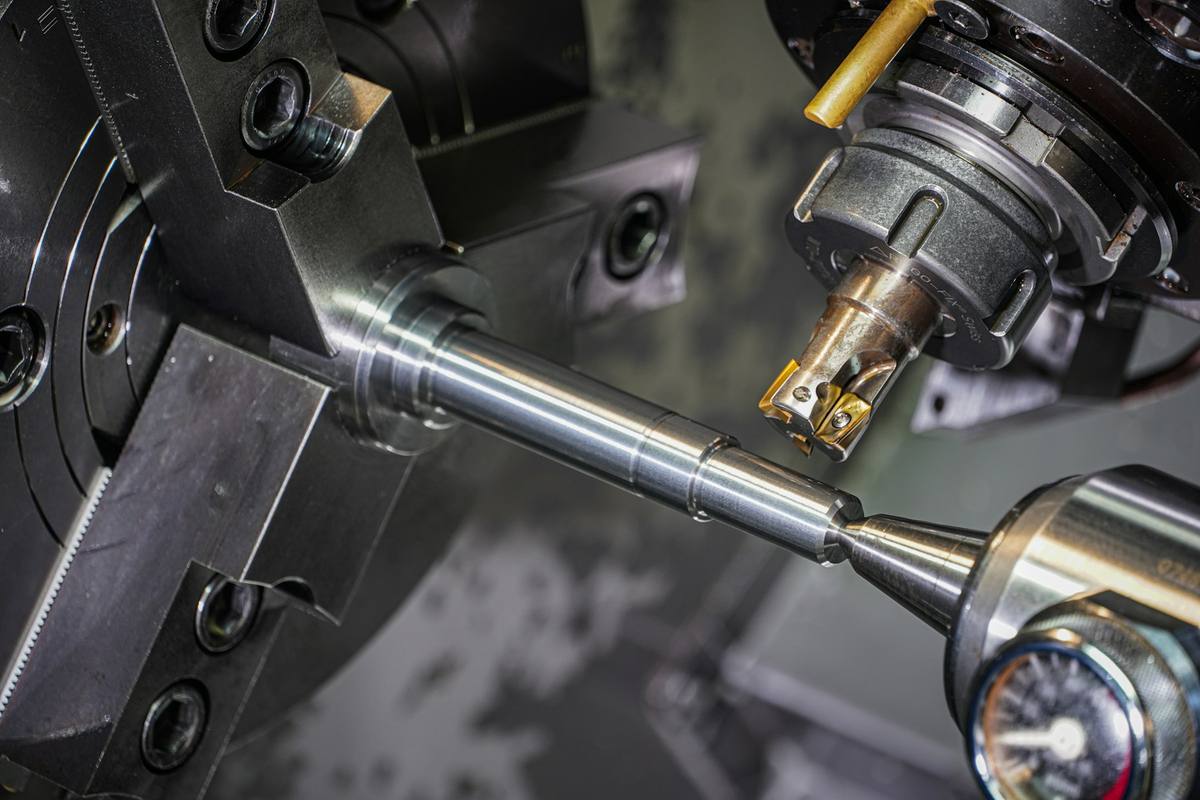
What checks should you do before choosing a manufacturing sourcing agent?
Custom parts don’t allow trial and error. Run these seven checks:
- Do they have an engineering background? Can they actually read a drawing, and do they understand tolerances and material grades — or are they just forwarding emails?
- Can they cost the tooling out clearly? Tooling cost, ownership, and revision terms need to be in black and white.
- Are they comfortable sharing the first article inspection report? Will they hand you the FAI report, matching each line item against the drawing?
- Do they show the factory’s real invoice? Will they put the factory quote in front of you?
- Do they have real QC capability? Do they know AQL, do they do dimensional measurement, and do their inspectors have calipers / CMM tools?
- Local presence: is the factory within a 1–2 hour drive in the Pearl River Delta, so they can get on site on short notice rather than over phone and WeChat?
- Can they manage multiple suppliers: can they coordinate delivery dates and quality across parts from several factories?
FAQ
Q: What’s the relationship between a manufacturing sourcing agent and an OEM contract manufacturer? A: They’re not the same thing. The OEM factory is the producer. The manufacturing sourcing agent is your procurement side. The agent selects and manages factories on your behalf; the factory does the work. When you’re managing several factories making different components, the agent becomes your “extended purchasing department.”
Q: How much does a manufacturing sourcing agent usually charge? A: The industry norm is 5%–8% transparent commission on order value; some charge a fixed project fee instead. The number isn’t what matters — the question is whether the commission is transparent and whether you can see the real factory price. The markup buried in the unit price (a typical 20%–30%) is what actually bleeds you.
Q: I don’t understand drawings. Can I still use a manufacturing sourcing agent? A: Yes, but you should at least be clear on the product’s function and acceptance criteria. The more you understand the drawing, the more the agent can save you cost. If you know nothing, at minimum find an agent who can explain the drawing and options to you and judge which tolerances can be relaxed to cut cost.
Q: Who usually pays the tooling cost? A: In most cases the buyer pays (and the tooling belongs to the buyer), or the factory pays but spreads it into the unit price. The key is getting it in writing: who pays, who owns the tooling, how many sample revisions are free, and what the die life is in shots.
Q: Is first article inspection (FAI) always required? A: Yes, especially for custom parts. It’s the only checkpoint that answers “can this factory actually produce something that meets the drawing.” Skipping it and going straight to mass production is the most common way manufacturing sourcing fails.
What is the bottom line on manufacturing sourcing agents?
A manufacturing sourcing agent isn’t an ordinary buyer — he has to read drawings, manage tooling, and be willing to hold a first article up against your drawing. The 5%–8% transparent commission buys you “the certainty that your drawing becomes a qualified part,” not points in a price game where the spread stays hidden.
If you’re about to source custom parts from China, send your drawings, BOM, quantity, and target unit price to our WhatsApp (+86 139 2270 2227), or email sales@cantonmade.com. We’ve done manufacturing sourcing in Guangzhou for 12 years. We’ll start with a free drawing review and a real quote breakdown from 3–5 matched factories, and get back to you within 48 hours.