Three suppliers can quote the same word — “hotel IPTV” — at three times the price, because they are not selling the same thing: one is quoting 550 set-top boxes, one is quoting a television-integrated software licence, and one is quoting a satellite dish, a headend rack and an annual channel fee. Put those three quotations side by side and compare the per-room price, and the only thing you will measure is the misunderstanding.
This article solves one thing: breaking the money into blocks you can check. How the system is put together, and where the content comes from, is covered in the three content routes for hotel IPTV and hotel IPTV system integration. Here it is the cost structure, the room-count take-off, how licensing is tiered, and the twelve numbers you must get out of the quotation.
1. Separate the three systems before you discuss price
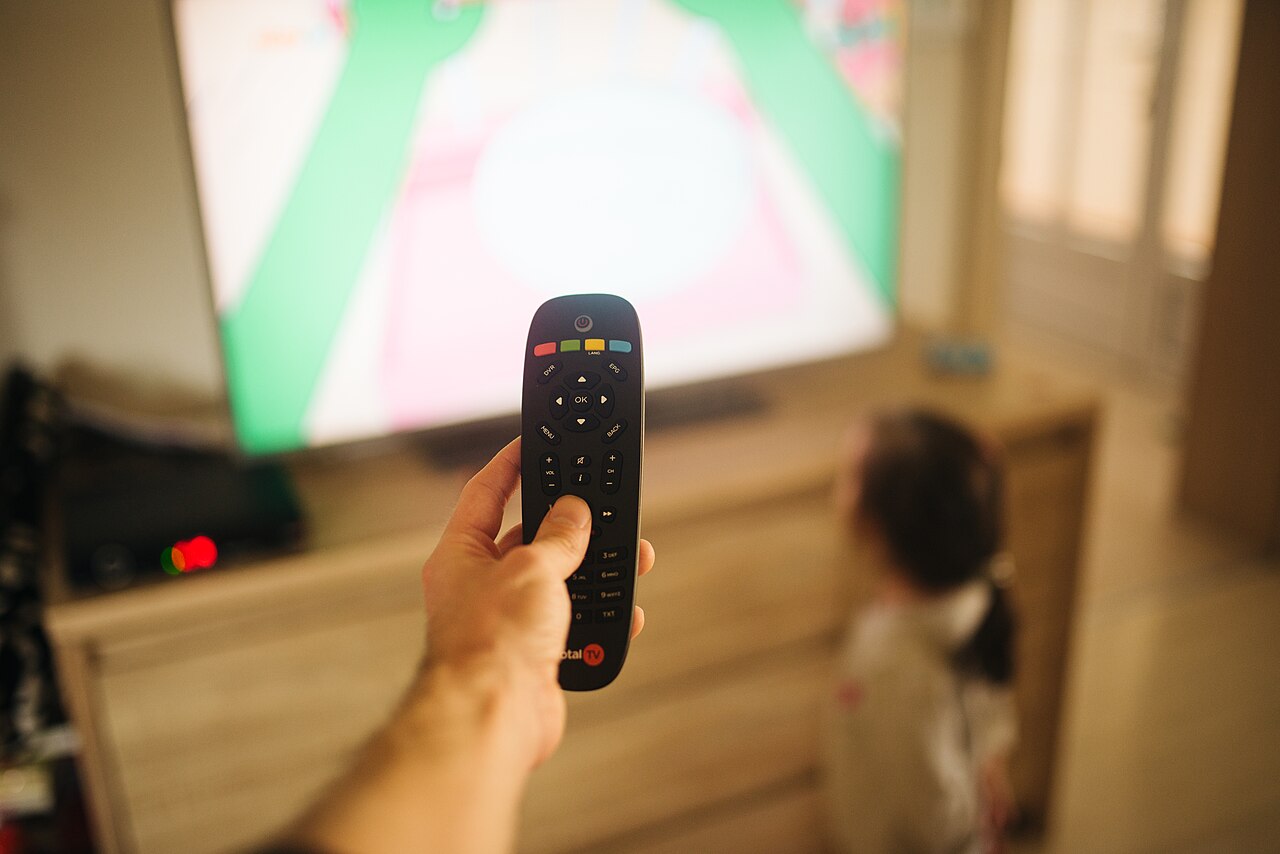
| Dimension | Set-top box system | Hotel-TV integrated platform | Carrier IPTV service |
|---|---|---|---|
| Guest-room hardware | One box per room (+ spares) | No box; interface runs on the hotel TV platform | Carrier box (usually rented) |
| Licensing basis | Middleware per room / per server | TV platform per set, middleware per room | Included in the monthly fee |
| Content source | Own headend (satellite / encoders) | Own headend or carrier signal | Supplied by the carrier |
| Rights liability | Hotel | Hotel | Carrier |
| Main risk | Operating 550 devices and firmware drift | Changing TV brand means rebuilding the interface | Impossible if the building has no fibre |
The test is simple: are the guest-room televisions already models with a hotel platform (LG Pro:Centric, Samsung LYNK and the like), and does the building have carrier fibre. Two yeses usually mean the integrated or carrier route is cheaper; two nos mean standard boxes plus a self-built headend.
2. Split the cost into five blocks, look at the share before the unit price
| Cost block | Typical share | Pricing base |
|---|---|---|
| Guest-room equipment (boxes / TV licences) | 30–45% | Room count + public areas + spares |
| Headend (gateways, encoders, receivers, modulation) | 15–25% | Channel count, number of signal sources |
| Licensing and software (middleware, VOD, PMS interface) | 10–20% | Room count, feature tier |
| Network and power increment (VLAN, multicast, switches, UPS) | 8–15% | Points and bandwidth |
| Installation, commissioning, training and spares | 10–15% | Person-days |
| Content rights (paid channels / landing permits) | Variable — most often missed | Channel list |
Look at the last row: the rights fee is not in the equipment price. When a Chinese IPTV manufacturer publishes a LAN budget of about US$20K for 200 rooms (roughly US$100 per room), the bracket behind it reads “excluding paid-channel licensing” — that line is paid annually, scales with channel count, and can easily match the four blocks above it. The whole IPTV subsystem normally takes 8–15% of a hotel ELV package, or 12–20% with VOD and PMS integration; the full scope of the ELV package is set out in hotel ELV system procurement scope.
3. A room-count take-off: what 500 rooms becomes in numbers
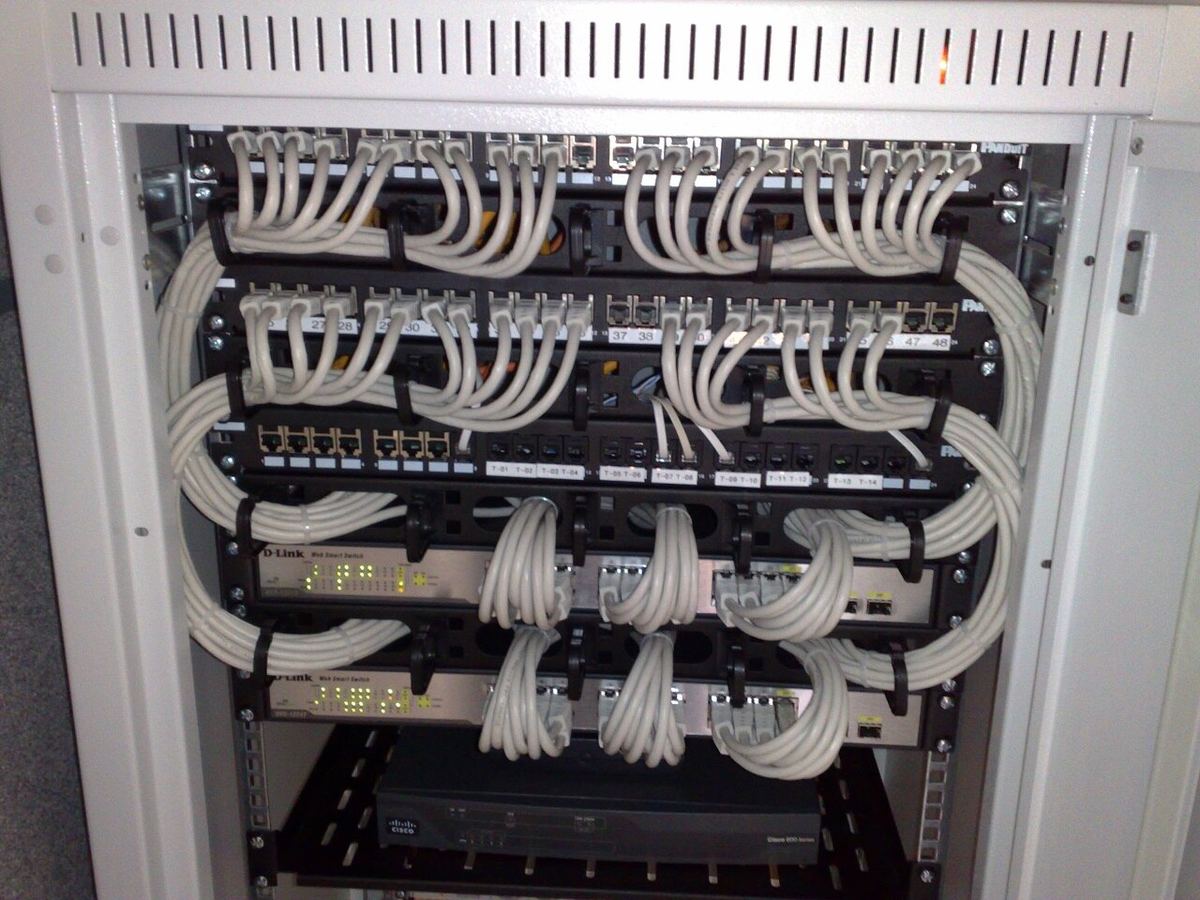
Device count: 500 guest rooms + public areas (lobby, restaurants, meeting rooms, gym — budget 25–35 sets) + spares (3–5%). A 500-room project lands at roughly 550 boxes, and the spares cannot be cut: a failed box is the number one source of guest complaints, and no spare means waiting for a sea freight delivery.
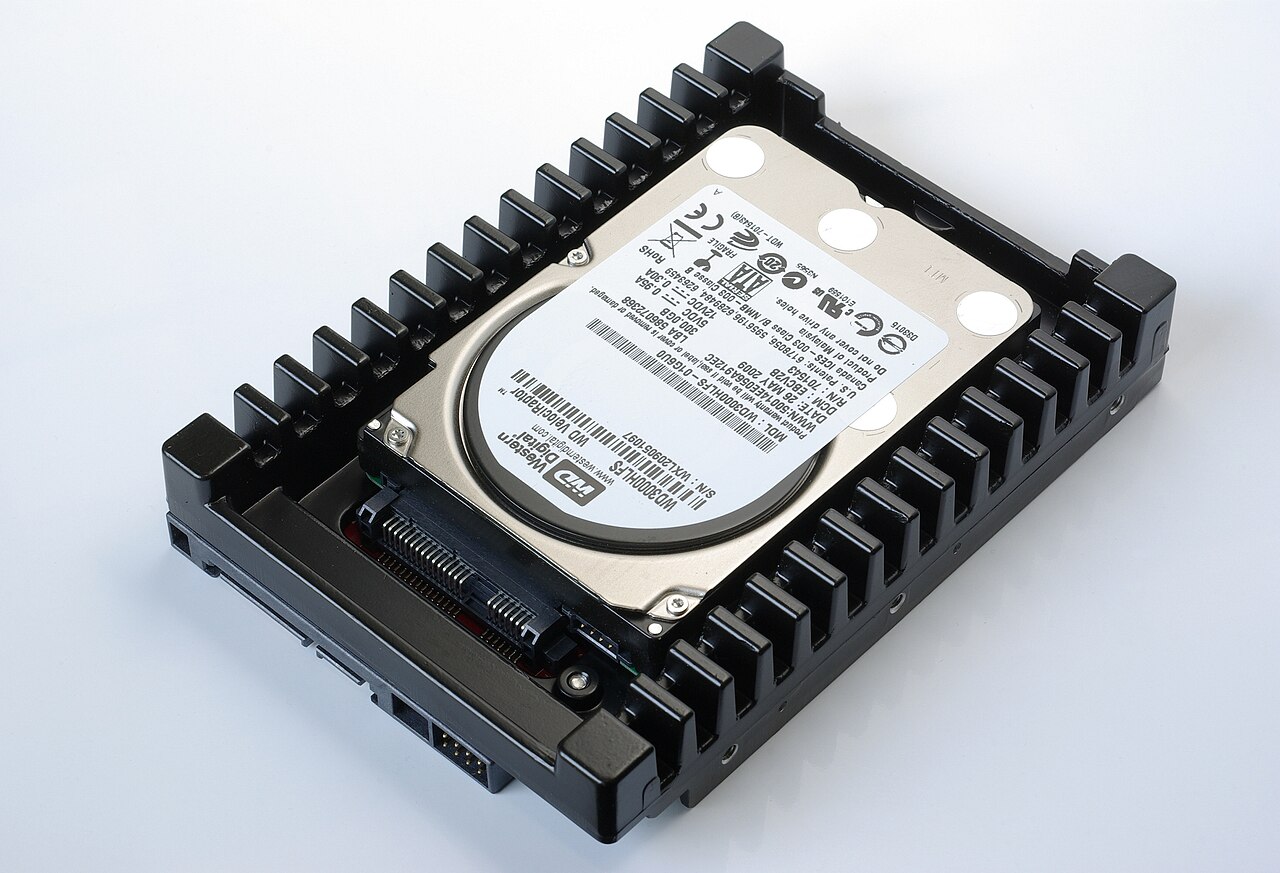
VOD storage: 500 films × 8 GB ≈ 4 TB usable, so 1.3–1.5× of raw capacity once RAID is allowed for; 4K sources at 25 GB per film make the same 500 films 12.5 TB. That line is routinely quoted at 1080p without anyone saying so.
Power and distribution: boxes at 8 W make 550 units ≈ 4.4 kW; the headend rack (gateway, encoders, switches, storage) adds 1.5–3 kW. Both belong in the UPS and ELV-room distribution budget — do not let them reappear inside an “installation fee”.
Bandwidth: 100 channels × 4 Mbps = 400 Mbps, and that is one stream of multicast traffic on the backbone. The same 100 channels delivered unicast, watched simultaneously in 500 rooms, is 2 Gbps. That difference sizes the core switches and the uplink — and it moves the total price far more than the box unit price does.
In one sentence: the cost of IPTV is usually not in the boxes; it is in how the network carries the streams and who licenses the content.
4. How licensing is tiered: by room count, not by user
Middleware licensing in this industry is generally tiered by room count, most often as “one package for small capacity, one tier for expansion”, and the per-room cost only drops once you cross a tier. That means one thing: a 300-room price cannot simply be multiplied by 1.7 to price 500 rooms — across a tier boundary both the licence and the server configuration have to be recalculated.
For buyout versus annual fee, check three points: whether the buyout is tied to the server serial number (does a server swap need re-licensing), whether version upgrades are charged separately, and whether adding 50 rooms needs a top-up. Writing those three into the contract is worth more than cutting 5% off the unit price.
5. What actually moves the price: five levers
- Guest-room TVs already run a hotel platform → removes the hardware, power and maintenance of 550 boxes. Usually the single biggest cut.
- Whether VOD is required → storage, rights and source encoding all arrive together.
- PMS integration → guest name in the welcome screen, cache cleared at check-out, interface built to FIAS v2 / Opera. The person-days are not cheap, and they are worth it.
- Multilingual interface and localisation (prayer-time reminders, local channel ordering) → a custom line item, not something to quote as a standard product.
- Remote operations and SLA → cloud diagnostics turn “fly an engineer out” into “thirty minutes remotely”, and the long-run cost difference is large; our delivered Aya Sophia resort IPTV project in Tanzania combines satellite reception, local automatic playback and remote support from Guangzhou, so the only skill needed on site is plugging in cables.
6. Twelve numbers to get out of the quotation
| # | Ask for | What happens if it is missing |
|---|---|---|
| 1 | Total boxes / licences, including public areas and the spare ratio | 30 units short on site, six weeks to restock |
| 2 | Whether middleware licensing is buyout or annual, and where the tiers fall | A renewal invoice in year two |
| 3 | Whether the licence is tied to the server serial number | A server swap means buying again |
| 4 | Supported channel count and signal source types | Adding 20 channels means replacing the headend |
| 5 | Whether VOD capacity is quoted at 1080p or 4K | The disks fill the moment sources change |
| 6 | Multicast or unicast, and whether switches are included | The network increment appears after arrival |
| 7 | PMS interface model and integration person-days | “Integration billed separately” becomes a hole |
| 8 | Interface languages and the customisation line items | Localisation charged item by item |
| 9 | Whether rights / landing permits are included (almost never) | An annual fee appears at final payment |
| 10 | Spare list (boxes, remotes, power adapters) | The remotes fail first |
| 11 | When the warranty starts (shipping date / arrival / acceptance) | 30–45 days at sea of warranty thrown away |
| 12 | Remote support method and response time | Every fault means flying someone out |
7. Six traps that show up most often
- Comparing the box unit price instead of the total: cheap boxes, expensive network and licensing, higher total at the end.
- Quoting storage at 1080p and loading 4K sources: the array is full three months later.
- A unicast design on multicast-grade switches: the money is spent and the performance is not used.
- Assuming the supplier will “sort out” rights: a hotel is a place of broadcast and the liability does not move.
- No warranty start date in the contract: one or two months lost to the sea freight cycle.
- Ignoring spares and remotes: the most frequent single complaint from guest rooms.
Want to know what your IPTV system should cost?
Send the room count, the channel list, the guest-room television model (or “not decided yet”), and whether VOD and PMS integration are needed. Within 48 hours we return a quotation structure broken into blocks, marking which lines are equipment, which are licensing and which are annual rights fees — instead of one vague per-room price. WhatsApp / phone +86 139 2270 2227 (Guangzhou team, Monday to Saturday 09:00–19:00 GMT+8, reply within 12 hours), or email us. For how the whole ELV package is best bundled, see hotel ELV system procurement scope.