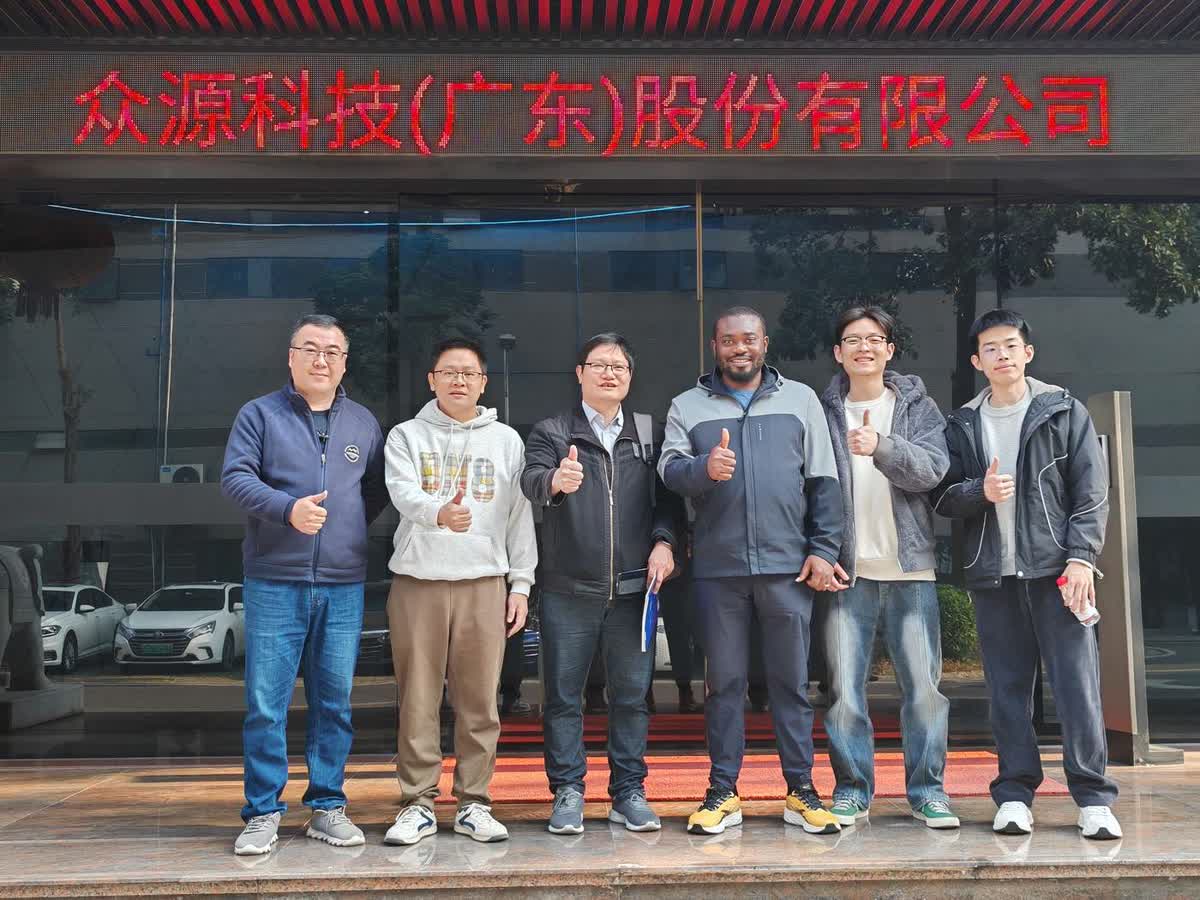
Every few months a first-time commodities importer sends us the same message: a quote from a Chinese supplier that looks too cheap, a deposit that has to move before anything has been verified, and a story about a previous deal that ended badly.
This week’s call was unusually precise. A Sydney-based importer is restarting a copper scrap business he first tried 15 years ago — that attempt ended with a 30% deposit paid by T/T and a supplier who simply disappeared. This time he has written down what he actually wants: millberry bare bright copper wire, 99% Cu, HS code 7404, delivered CIF Sydney. And three things before any money moves: the supplier verified, a contract drafted in Chinese that a Chinese court would actually enforce, and a pre-shipment inspection before the material leaves the yard.
He also said something that rarely survives the first bad shipment. He is not shopping for a lower price. The CIF quote he already holds looks low to him, and he reads a low quote as a reason to verify the supplier — not as a reason to celebrate.
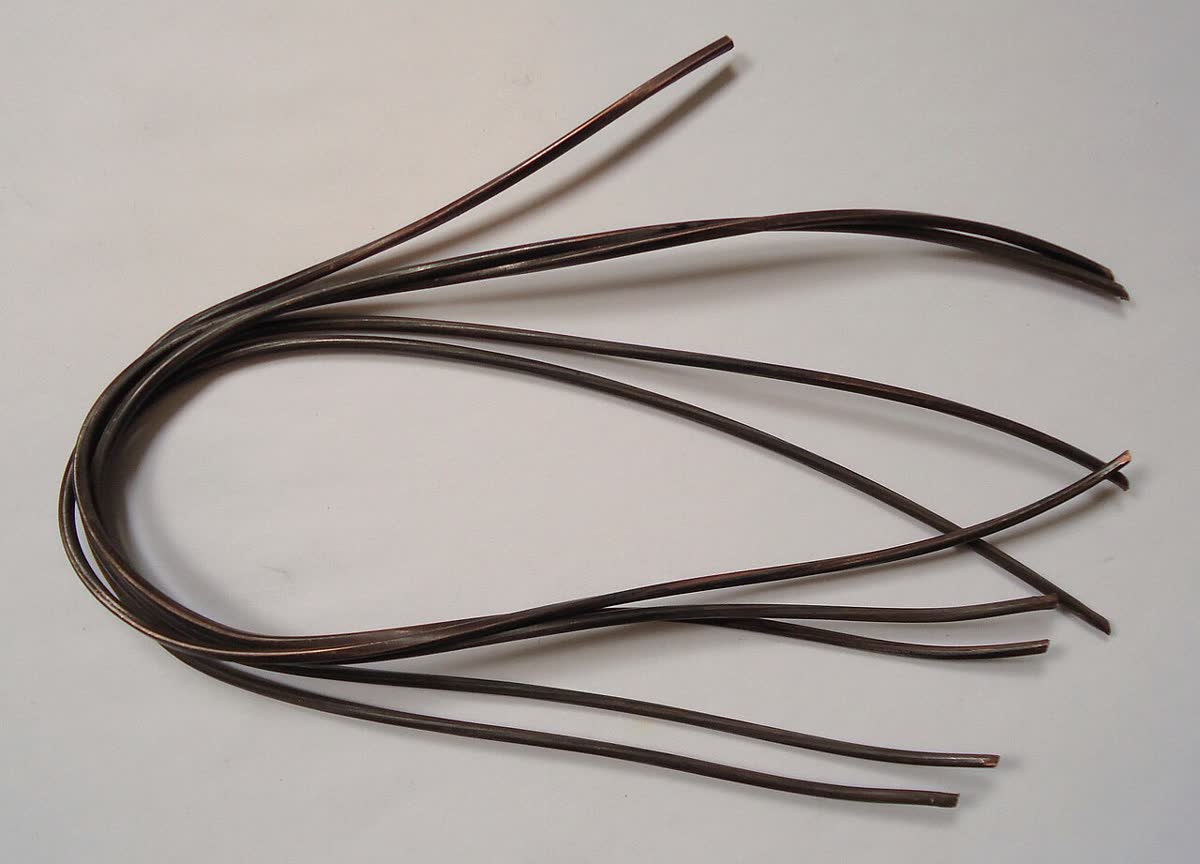
That brief became the plan below: how to send one tonne of copper scrap from China to Sydney without losing the deposit, and how to make the same process work when the orders reach container scale.
Why copper scrap punishes optimism
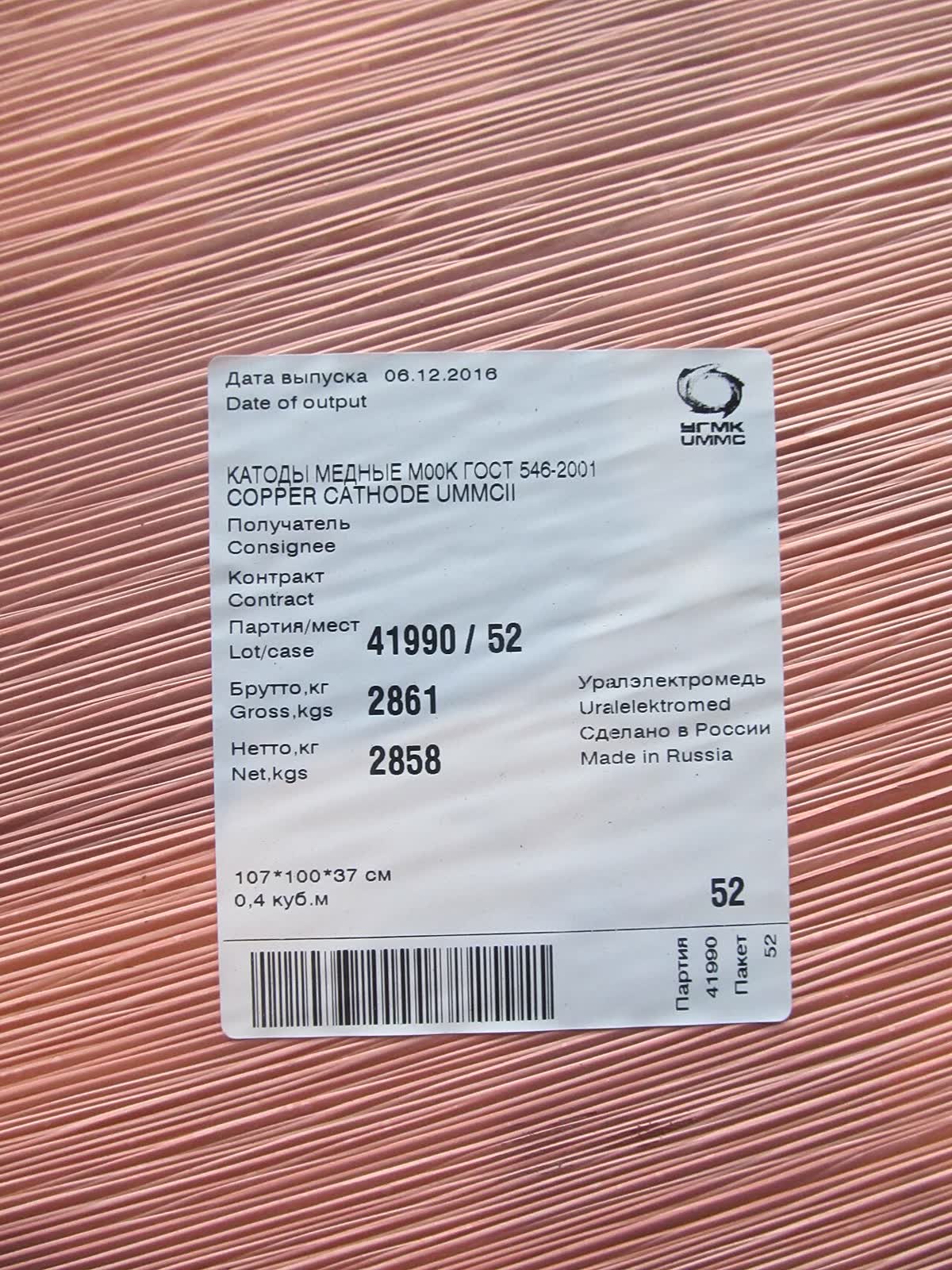
Scrap metal is a category where the same shipment can be described in two completely different ways, and both descriptions are technically true. “Millberry, 99%” is not a specification — it is a marketing phrase until a grade code, a minimum copper content and a contamination limit are attached to it. Cathode copper, the refined benchmark the scrap grades are priced against, is sold on an assay; scrap deserves the same treatment.
Four failure modes show up again and again:
| Risk | How it appears in practice | What stops it |
|---|---|---|
| Deposit fraud | Supplier collects 30%, stops answering, no export record at all | Entity audit, bank account matching the contract party, staged payment |
| Weight manipulation | Sand, water, concrete or steel hidden inside bales or crammed into the load | Weighbridge tickets at loading, container re-weigh, opening bales at random |
| Grade substitution | No. 2 wire, tinned or burnt wire mixed into a “millberry” lot | Grade defined by ISRI/GB-T code and confirmed by assay, not by a description |
| Cargo switching | The inspected lot is replaced after it leaves the yard, or before the container is sealed | Loading supervision, sealed container, seal number stated in the documents |
None of this is exotic. It is the normal operating environment of a commodity where the material itself is worth more, kilogram for kilogram, than most finished goods — and where the buyer is expected to send money first.
Step 1: Verify the entity, not the listing
A supplier profile, a website and a WeChat account prove nothing. What has to be verified is whether a legal person exists, whether that legal person is allowed to export copper, and whether it is the same party that will receive your wire transfer.
| Check | What it proves |
|---|---|
| Business licence, unified social credit code, registered capital, date of formation | The company is real, has traded for more than a few months, and is not a shell registered last quarter |
| Scope of business including metal materials, plus foreign trade operator and customs registration | The entity can legally export and legally receive your payment |
| Export qualification for the specific commodity and HS code (7404 for copper waste and scrap) | The supplier’s claim to be “authorised to export copper” is checkable — China’s export licence catalogue and export-control rules are reissued every year, so this is verified case by case |
| Bank account holder name against the contract entity name | Your deposit goes to the company you have a contract with, not to an individual’s personal account |
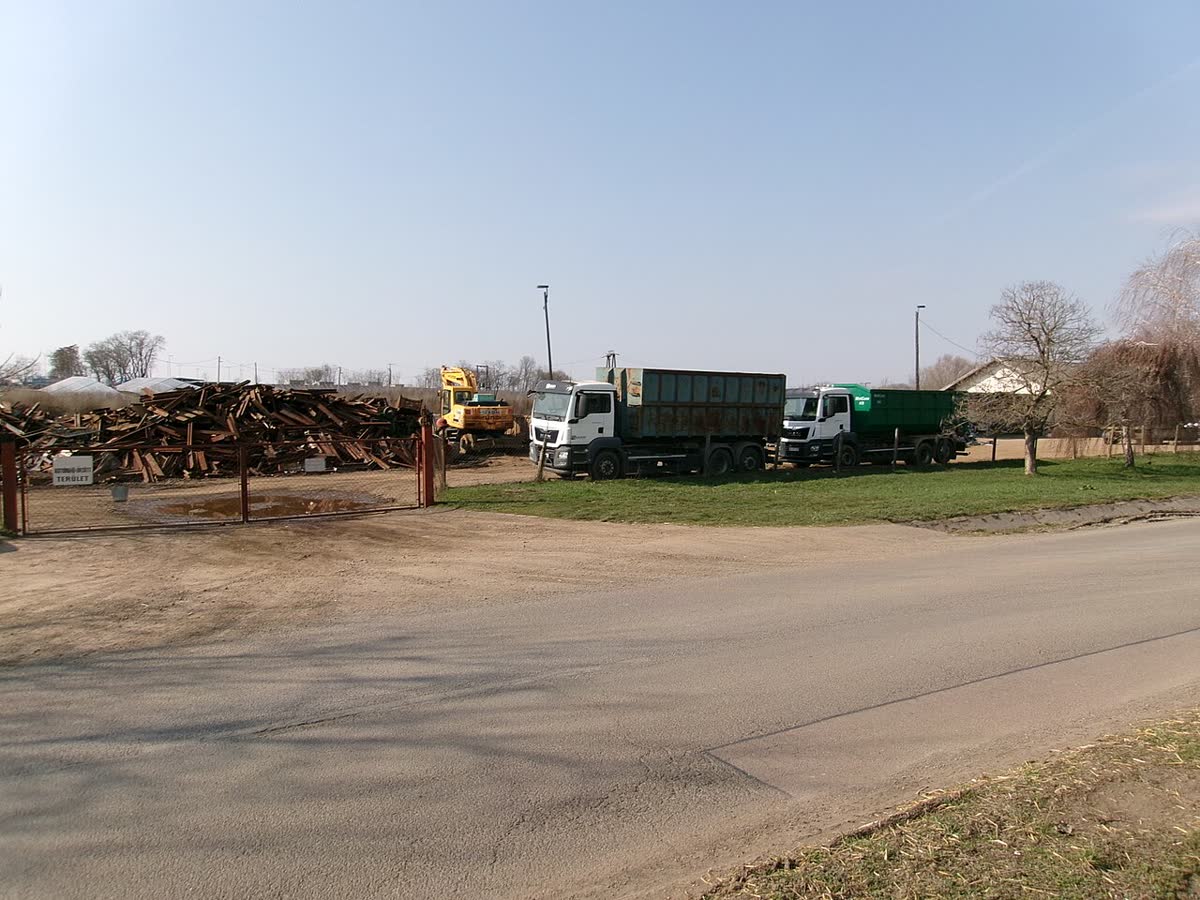
| Physical site: yard, warehouse, own weighbridge, loading equipment, geotagged photos and a live video walkthrough | The supplier runs an operation rather than brokering your order to an unknown third party |
| Public records: litigation, enforcement cases, dishonest-debtor listings, administrative penalties — on the company and on the legal representative | Nothing shows up that would have been visible before wiring money |
| Trade references and previous export shipments | Someone other than you has already received this material from this supplier |
For the Sydney importer, that means the supplier’s paperwork has to survive a comparison against the CIF quote he already likes: a trading company quoting a below-market price with no yard, no export history and a personal bank account is a different proposition from a metals trader with its own yard and a documented export record.
Step 2: A contract in Chinese that a Chinese court would enforce
The importer asked for the contract in Chinese, for the practical reason that a dispute would be heard in China. That is the right instinct — but the language is the smaller half of the problem. A one-page proforma invoice is not enough for a first order in a commodity category. What has to be pinned down:
| Clause | What to write |
|---|---|
| Parties | The exact registered Chinese company name, credit code and legal representative — not the trade name from a business card |
| Goods | Grade by code (for example ISRI Barley / millberry, or GB/T 38471 RCu-1A), minimum copper content, maximum non-metallic and moisture content, free of tinned, coated or burnt wire |
| Quantity and weight | Net weight basis, weighbridge ticket at loading as the commercial weight, a stated tolerance, and a documented re-weigh procedure if the weight at destination disagrees |
| Price and term | CIF Sydney under Incoterms 2020, price per metric tonne, what is included |
| Payment | Deposit percentage, and the balance released only against the agreed document set after your inspector’s report. For a first order, “balance by T/T against a copy of the bill of lading” is the single most dangerous line in the contract — a B/L copy carries no title |
| Inspection rights | Your agent’s right to sample, photograph and witness loading, with access to the yard before packing |
| Loading and sealing | Full loading supervision, continuous video, container seal number recorded in the documents |
| Documents | Commercial invoice, packing list, bill of lading, certificate of origin, inspection and assay report, weighbridge tickets, loading photo set |
| Liability | Liquidated damages or replacement credit for weight shortfall, grade deviation and contamination above the agreed limits |
| Dispute resolution | Chinese law, with the forum named (arbitration or the competent court), and which language version prevails |
| Execution | Company chop plus legal representative’s signature, with the agreed material specification and photos annexed so “millberry” means one specific thing |
The importer’s own history is the argument for the payment clause: a deposit sent to an unverified entity, with the balance tied to a document copy rather than to verified goods, is a structure that only works if the supplier is honest. Verification has to be done before the wire, not after it.
Step 3: Pre-shipment inspection for a commodity, not a machine
An inspector who normally checks furniture or electronics will not know what to do with a tonne of copper wire. The inspection is a commodity inspection: it is about weight, grade, moisture and contamination.
| Checkpoint | What the inspector actually does |
|---|---|
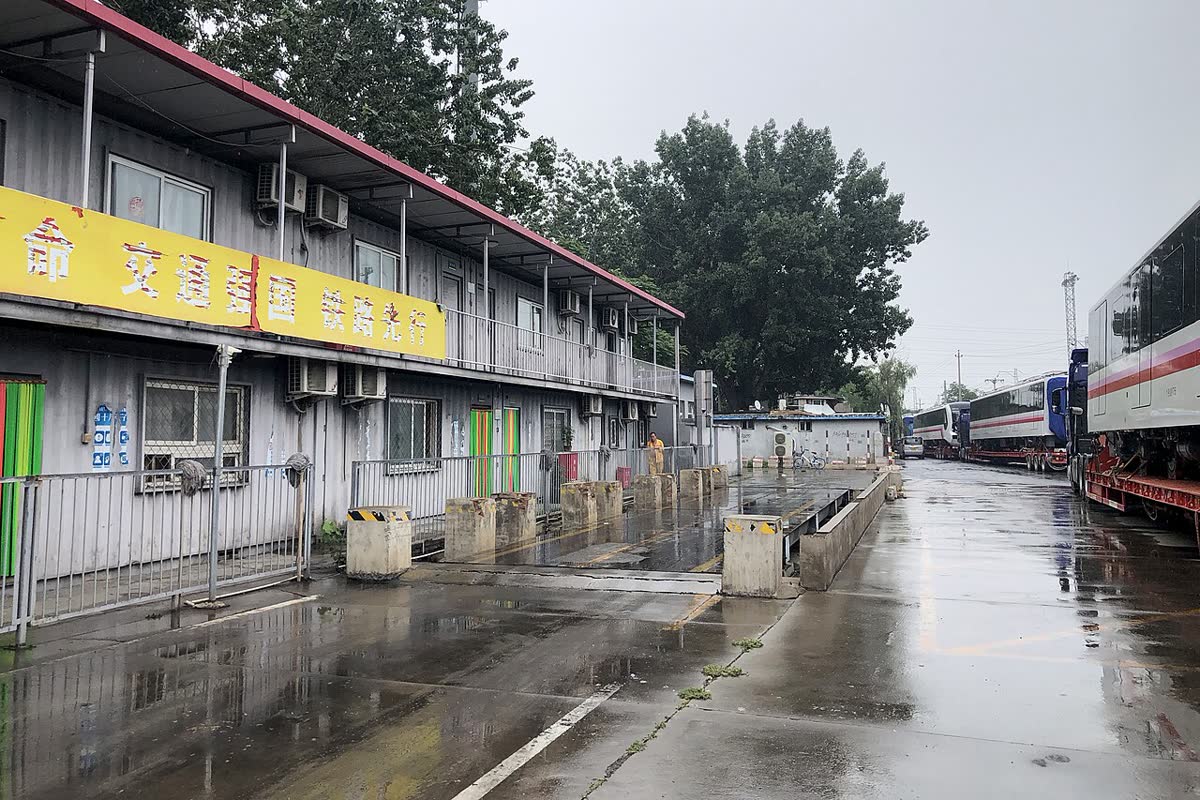
| Quantity | Weighbridge ticket for the loaded truck or container, tare verified, bales or crates counted, net versus gross reconciled |
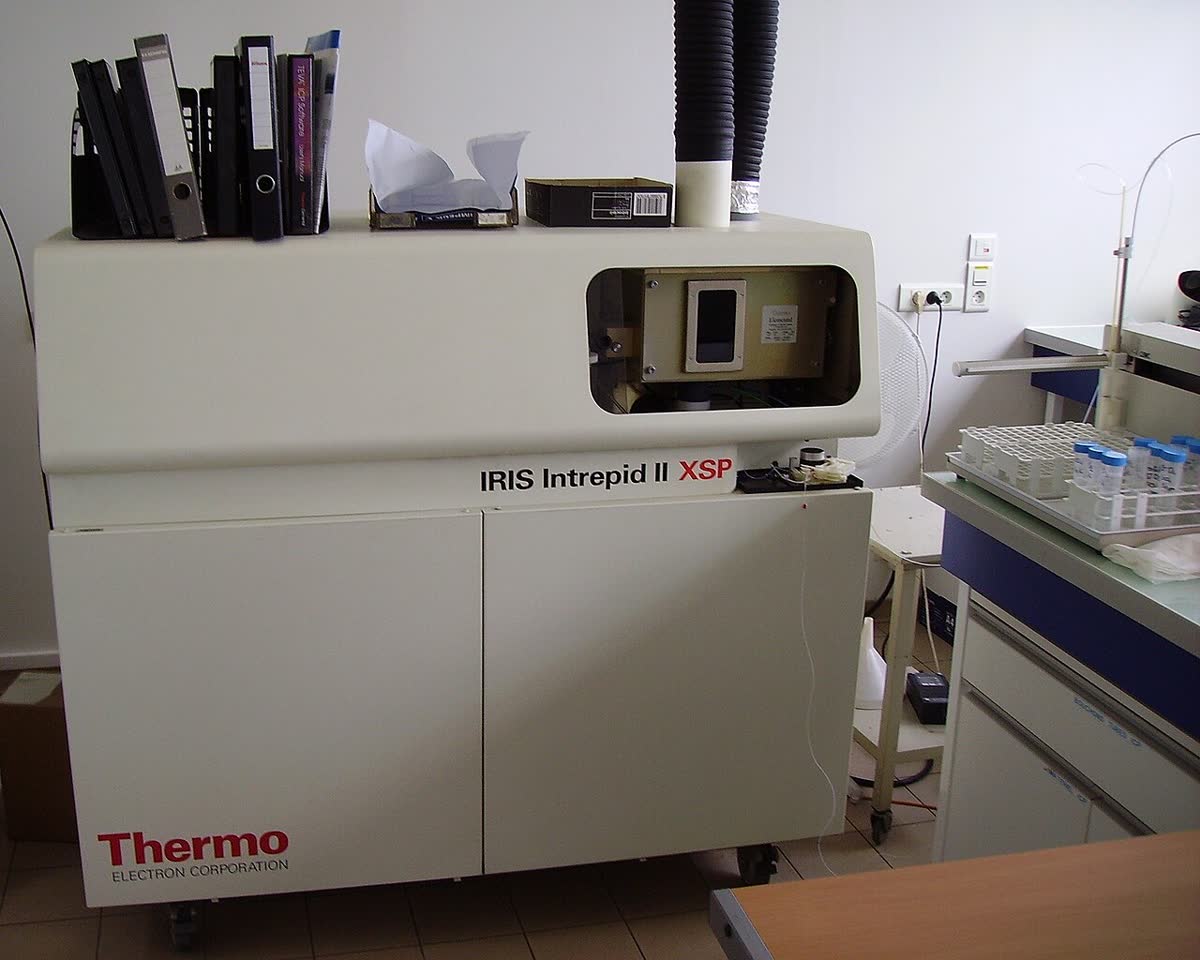
| Sampling | Opens a stated proportion of the bales or crates, cuts the strapping wire, takes a stratified sample for assay |
| Grade and purity | Verifies bright bare wire against the contracted code, separates and counts tinned, coated, soldered, burnt or alloyed wire |
| Moisture and non-metallic content | Checks for water, oil, insulation and plastic, and weighs the non-metallic fraction against the contract limit |
| Packing | Strapping condition, crate integrity, no liner gaps that allow material to be added later |
| Loading | Supervises the whole load, photographs each layer, confirms no material is added after sampling, photographs the seal |
| Documents | Inspection report with the photo set, weighbridge tickets and the assay result attached |
One tonne changes what inspection is worth doing. A tonne of copper scrap does not fill a truck, let alone a container, so the first shipment is an LCL-scale lot: it will be consolidated with other cargo, handled at a warehouse or CFS, and charged LCL rates. That makes the yard the place to inspect — sampling and sealing before the material is mixed into a consolidated load is worth far more than an inspection after consolidation.
What changes as the order grows
The importer’s plan was to prove one tonne, then double the quantity each time until he is buying container loads and can run several suppliers in parallel. The verification work does not stay the same at every step:
| Stage | What the buyer is actually buying | What changes in verification |
|---|---|---|
| 1 tonne | A sample-priced proof that the supply chain works end to end | Every bale opened, full weighbridge and assay, single supplier, deposit kept small |
| 2–4 tonnes | A repeatable delivery, still LCL | Sample retention per lot, weighbridge and assay kept, first negotiation on payment terms |
| 8–16 tonnes | A shipment large enough to matter commercially | A second supplier qualified in parallel, loading supervision becomes standard, packing standardised |
| ~25 tonnes | A 20-foot container load | Sampling per inspection plan instead of 100% opening, container stuffing and sealing protocol, payment terms revisited for higher value |
Spreading orders across suppliers is a sensible hedge against a single supplier going quiet, but it multiplies the audit work: each new supplier needs its own entity check, its own contract and its own first-lot inspection.
On cost: ask for a schedule per stage, not a headline number
The importer’s last question was the one most first-time buyers ask — what is actually being charged, and are there costs beyond the verification and inspection steps, such as warehousing on a one-tonne LCL lot.
The honest answer is that the fee structure follows the flow rather than a single headline rate. A copper scrap first order typically involves a one-off supplier audit, an inspection fee that depends on how much sampling and supervision the lot needs, a consolidation or warehousing charge when the shipment is LCL, documentation work, and shipping booking. On a one-tonne start, the LCL handling is a material share of the landed cost — which is exactly why it should be quoted stage by stage, in writing, before you engage anyone.
It is also why fees are best paid by the buyer, separately from the goods. When the agent is paid by the buyer, the supplier’s quote can be the true factory or yard price instead of a price inflated to hide a commission, and you can see what each step costs you.
The takeaway for a first copper scrap order
The Sydney importer was clear about what he is protecting: a deposit he cannot recover, and a relationship he wants to keep for years rather than one shipment. Both are protected by the same discipline — verify the entity, write the grade and the weight into a Chinese-law contract, and inspect the goods before they are sealed, not after they arrive.
That sequence works at one tonne and it still works at a container. What changes is the depth of sampling and the payment structure, not the logic.
If you are importing copper scrap, non-ferrous metal or any commodity where the deposit moves before verification, send us the supplier’s details and the material specification and we will start with the entity audit. Our supplier audit, quality control and shipping teams work as one flow, and this is how the process runs from first enquiry to delivery.
Related reading: how to pay Chinese suppliers safely, the complete guide to verifying a Chinese supplier, and pre-shipment inspection, step by step.
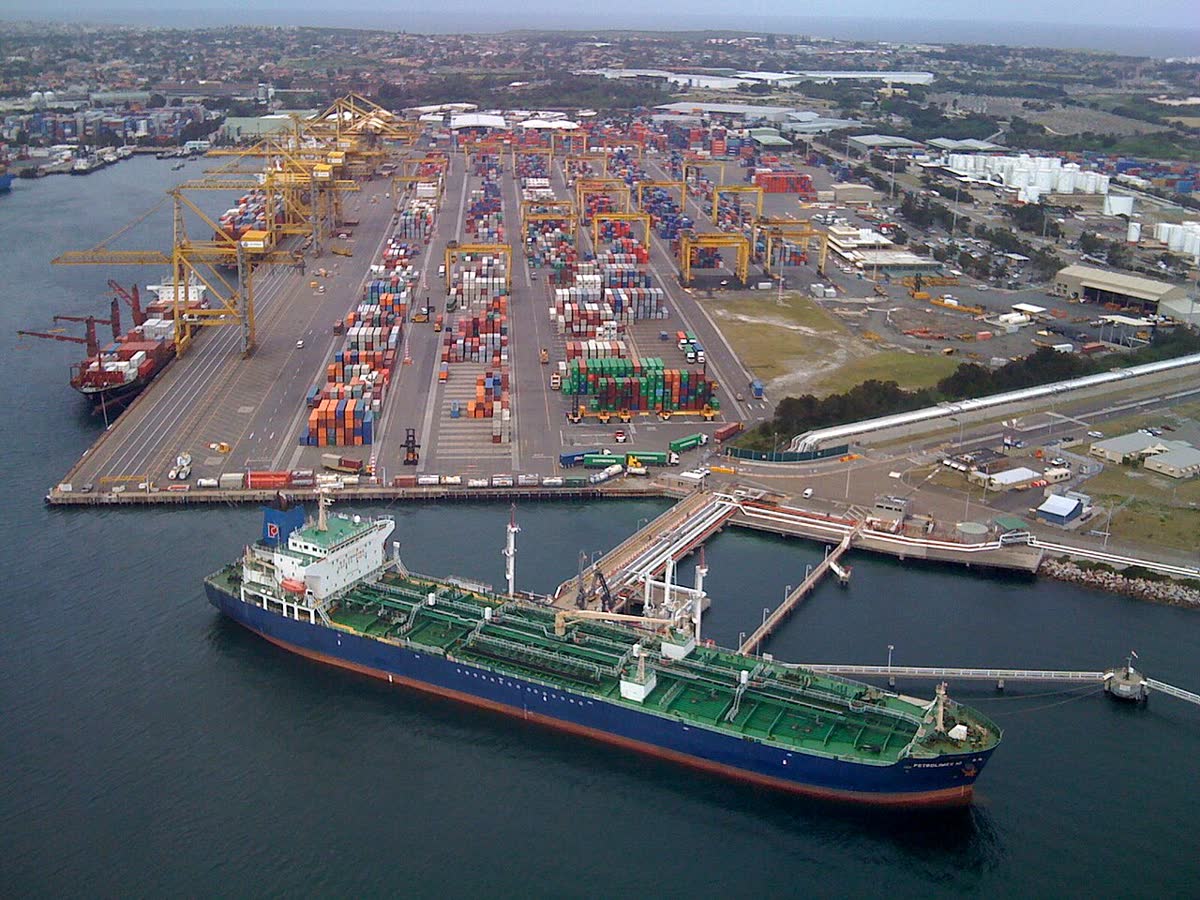
Photo credits: cover (bare bright copper wire) - Mauro Cateb, licensed CC BY-SA 3.0. Copper cathode stack - Niklitov, licensed CC BY-SA 4.0. Scrap metal yard with trucks - Globetrotter19, licensed CC BY-SA 4.0. Weighbridge at a Chinese freight yard - N509FZ, licensed CC BY-SA 4.0. ICP spectrometer - Cjp24, licensed CC BY-SA 3.0. Sydney container port - Aaron Jacobs, licensed CC BY-SA 2.0. All via Wikimedia Commons.