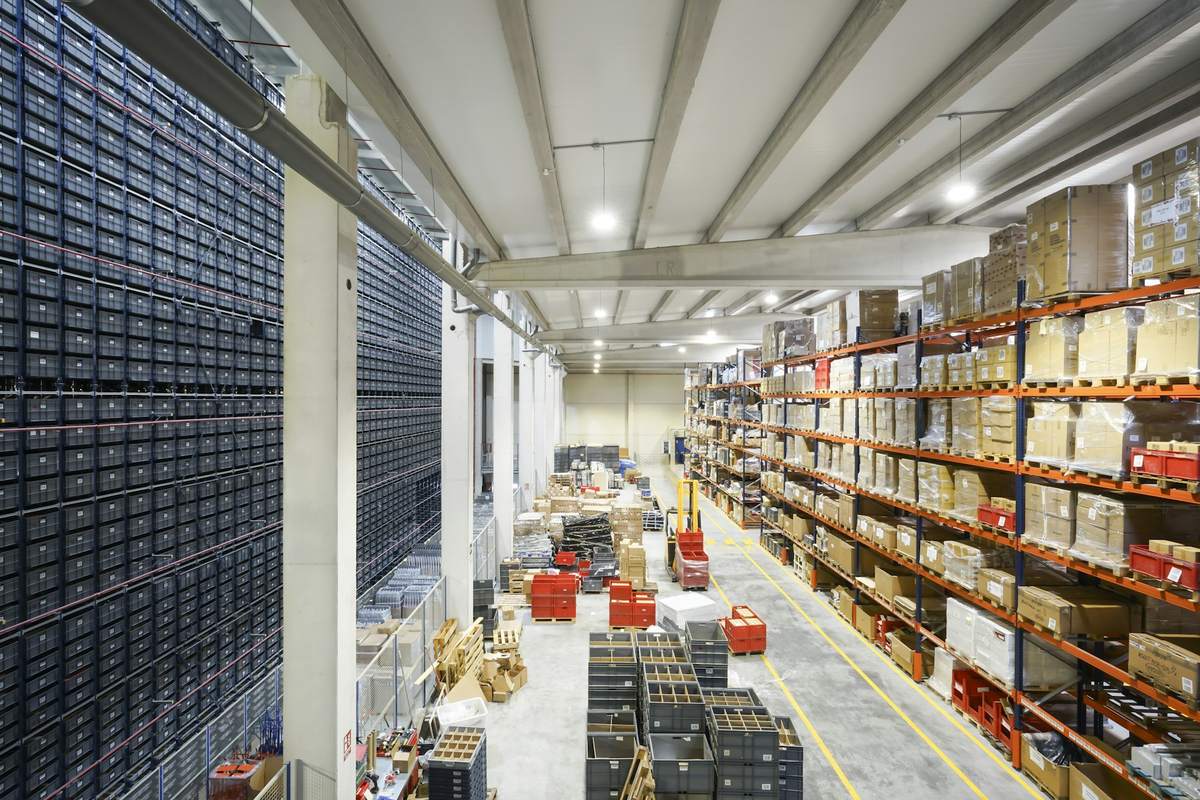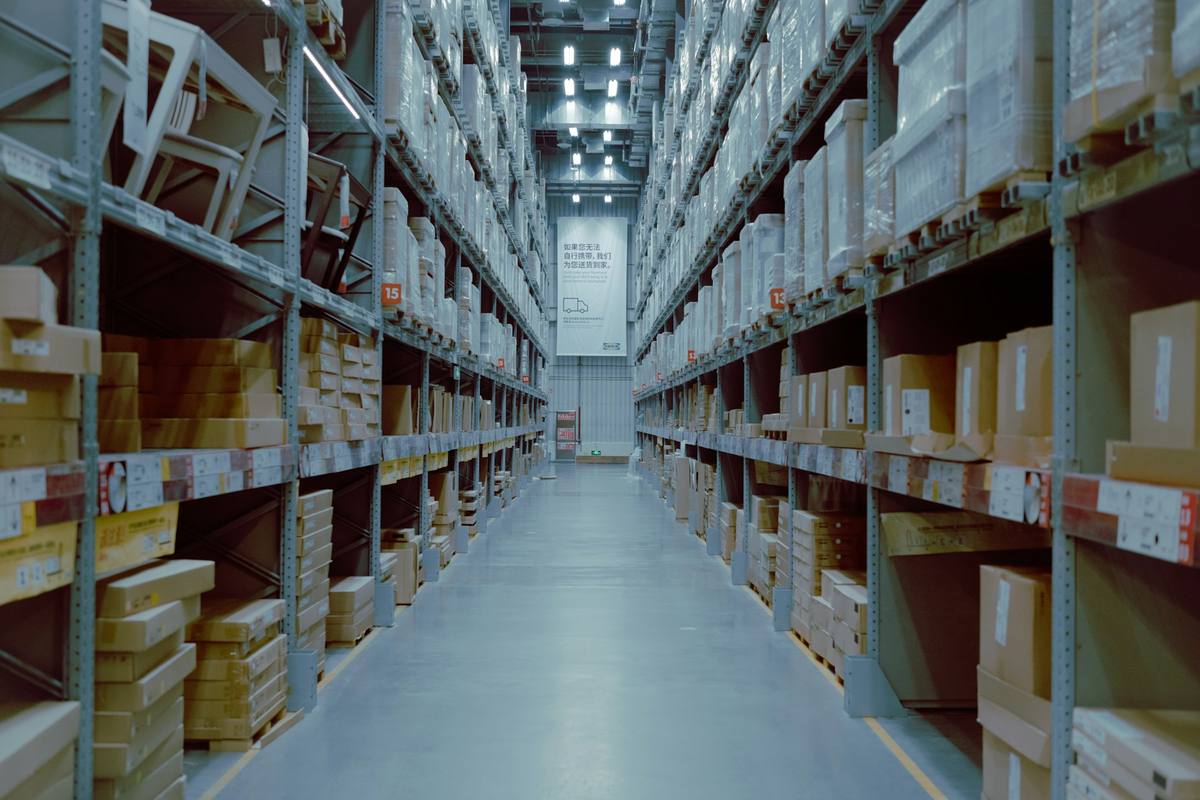

You are about to ship a load of furniture overseas — sofas, dining tables, hotel suites, office workstations. This is not a case where you lock in a price on 1688 and it ships. Furniture is the category that is simultaneously the cheapest and the easiest to get burned on. A sofa that’s 30% cheaper might use a particle board base that was swapped under you, half the foam density, or solid wood replaced with veneer. A quote that says “solid wood” arrives as a full container of painted plywood. This is especially true for buyers running hotels, retail stores, and fit-out projects — specs, fire ratings, and durability are all locked into the contract, and one mistake at this stage is irreversible.
When you search for “China furniture sourcing agent”, it means you already realize that translation software and a few photos won’t get this done. This piece breaks the furniture sourcing agent down properly: what actually separates it from a regular buyer, what furniture buying in Foshan/Guangzhou looks like, how commissions are calculated without getting ripped off, and what to verify before you trust an agent.

Why do you need a local agent for furniture instead of finding factories?
For standard electronics components, you might handle it yourself with a few RFQs. But furniture is the most non-standard of non-standard categories, and these five links are where things go wrong most often:
- Boards & materials: The same “cabinet” can be particle board, multi-layer solid wood, rubberwood, or walnut veneer — twice the price difference and impossible to tell apart from the outside. A buyer who doesn’t know the trade only gets quotes that follow the “lowest price” playbook.
- Specs & drawings: Hotel and store furniture is almost always made to drawings. Dimensions, clearance gaps, hardware, fabric color codes, fire ratings — every single item has to be translated into a Chinese workshop drawing, and once it’s wrong there’s no rework.
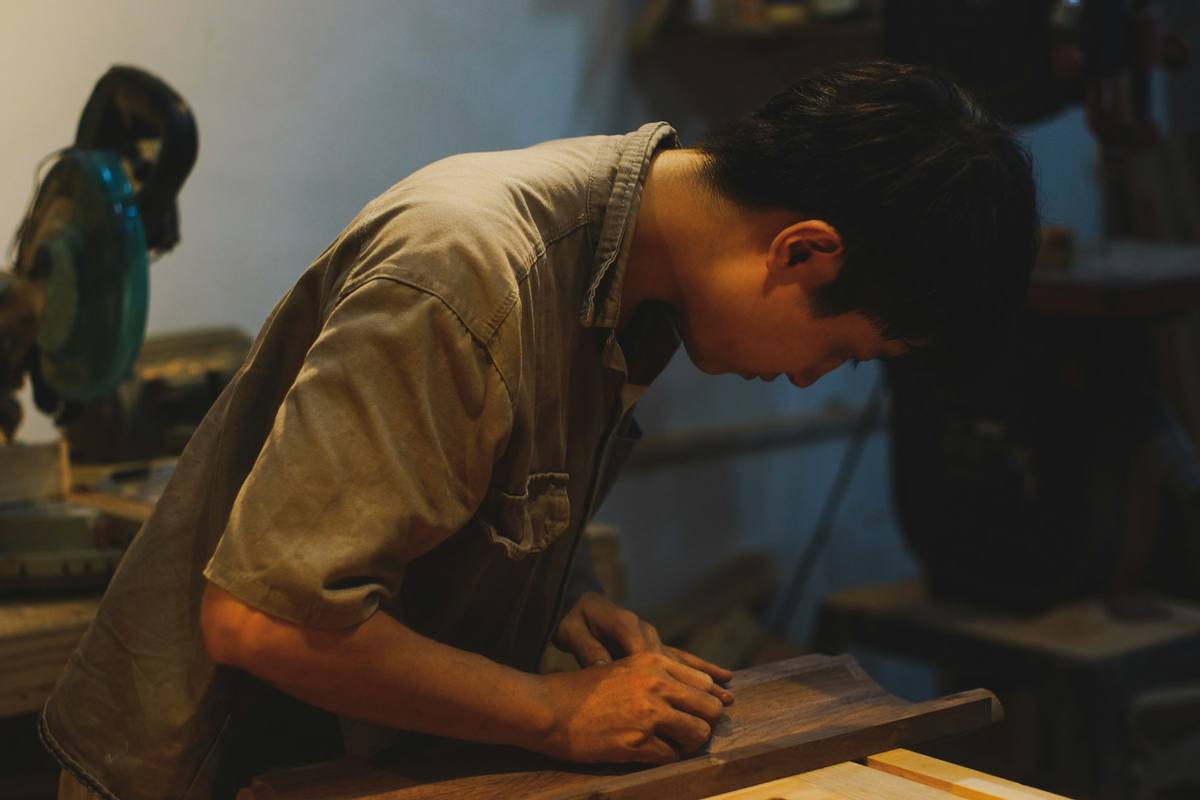
- Factory audit & sampling: Furniture factories are everywhere in the Pearl River Delta, but “can make a sample” and “can mass-produce identical goods” are two very different things. Someone needs to be on site looking at the equipment, the woodworking, the paint line, and comparing the sample against the mass production.
- Consolidation & packaging: Furniture usually doesn’t ship as a full container from a single factory. It’s multiple factories sharing one container (via freight consolidator or agent-built groupage). The shipments with the highest damage rates are almost always the ones where the packaging — knock-down (KD) flat-pack, edge protectors, moisture barrier film — wasn’t done right.
- Delivery & acceptance: When furniture goes through AQL sampling inspection, issues like scratches, color mismatch, missing parts, and loose hardware don’t show up on photos. Someone has to stand in the warehouse and check each piece.
In one sentence: when buying electronics you’re responsible for the goods; when buying furniture you’re responsible for the boards, color codes, specs, fire ratings, packaging, and container consolidation. This is exactly why you need a local furniture sourcing agent who knows the trade and can be at the factory holding you accountable.
How does a China furniture sourcing agent differ from a regular buyer?
| Dimension | Regular buyer / freight forwarder | Furniture sourcing agent |
|---|---|---|
| What you buy | Off-the-shelf electronics, general goods | Furniture / custom furniture (residential / hotel / office / retail) |
| Core difficulty | Price comparison, checking goods, shipping | Board/material grades, color codes, spec drawings, fire ratings, consolidation packaging |
| Professional bar | Knows the market, can negotiate | Knows furniture craftsmanship: board grades, foam density, woodworking, painting, hardware, fire certification |
| What to watch on site | Stock, shipping | Factory audit, sampling, comparing sample vs. mass production, packaging, container consolidation |
| Biggest risk | Goods don’t match sample | Material swap / formaldehyde issue / goods don’t match sample / damage in transit |
When you hire an agent for furniture, you’re buying “consistency between the delivered goods and the sample, specs that don’t get watered down, and clear accountability for damage” — not the markup of a price game.
What does furniture sourcing in Foshan or Guangzhou actually involve?
The procurement centers of China’s furniture industry are concentrated in the Pearl River Delta: Foshan (Lecong, Longjiang) is the hub for residential upholstered furniture and office furniture; Guangzhou is the home furnishings fairplex (furniture, building materials, hotel fittings); Dongguan/Shenzhen leans toward mid-to-high-end and export custom work. Broken into four types by procurement scenario:
| Procurement type | Typical categories | Common spec requirements | Main origins |
|---|---|---|---|
| Residential finished goods | Sofas, mattresses, dining tables & chairs, storage cabinets | Foam density, board grade, fabric/leather, KD packaging | Foshan Lecong/Longjiang |
| Hotel / commercial | Suite furniture, lobby furniture, lounge chairs, movable partitions | Fire rating, abrasion resistance, engineering drawings, batch consistency | Guangzhou / Foshan |
| Office / retail | Workstations, office chairs, shelving, display cabinets | Knock-down structure, hardware, chair gas lift / warranty | Foshan / Dongguan |
| Engineering building materials | Wood doors, flooring, bathroom cabinets, feature walls | Material grade, cut-to-size dimensions, water & moisture resistance | Guangzhou / Foshan |
If you’re a buyer doing hotels, chain stores, or fit-out projects, furniture sourcing should be managed as one system together with low-voltage, access control, and security — furniture is what people live with the day they move in, and the lead time and specs are locked into the drawings. Working on low-voltage plus furniture integrated sourcing in Guangzhou, this is the thing we understand best.
What is the standard process for a furniture sourcing agent?
Furniture sourcing has strong “engineering milestones,” and a reliable agent follows these six steps:
- Requirements & spec confirmation (2–3 days): You lay out the end use, dimensions, quantities, style, budget, and destination country, and the agent returns a “spec sheet + reference quote” for confirmation — not a bare minimum price.
- Supplier matching & factory audit: Match the right factory by category, visit on site to check the equipment (cutting/edge banding/painting/foam), check whether there are comparable mass-production cases, and see whether the factory focuses on export or domestic.
- Sampling & sample sealing: Make the first article, then compare dimensions, materials, color codes, and hardware item by item. Seal the sample and keep it on file (this is the sole reference for the mass production to come).
- Quotation & cost breakdown: Break out material cost, hardware, packaging, and freight separately — not just a single “price for the whole set.”
- Order & in-process QC: Follow the factory’s production schedule, watch material procurement, and do a mid-production factory spot check (especially boards and painting).
- Consolidation packaging + pre-shipment inspection: Use AQL sampling plus full visual inspection, confirm KD packaging, edge protectors, and moisture barrier film are in place, then pack and ship.
Don’t ever skip step 3, sample sealing — without a sealed sample, the factory just mass-produces however it wants, and when the container arrives, every piece is “off from the sample.”
How do furniture sourcing agents charge and what fees apply?
Because furniture has high unit prices and high shipment value, the fee structure especially needs to be clarified. Three common models:
| Fee model | How it’s calculated | Best for | Risk |
|---|---|---|---|
| Transparent commission | 5%–8% of order goods value, factory invoice shown to you, commission listed separately | Most furniture sourcing projects | Low — you see the true factory price |
| Fixed project fee | One flat service fee per project | Small orders, clear specs | Medium — if the service fee is too generous, the agent may stop pushing to negotiate discounts |
| Hidden markup | A quote for the “all-in” container price, with the difference buried inside the unit price | — | High — 15%–30% is common in furniture, and you only find out when it arrives |
The one test for whether a furniture agent is trustworthy: will he put the factory’s real quote in front of you untouched, with the commission itemized on its own line? An agent who shows you the factory price has an incentive to negotiate down for you; one who doesn’t is earning his cut from the difference, so cutting the price actually costs him money. We never take “hidden price” orders in furniture sourcing: we show you the factory quote exactly as it is, and the commission is a stated 5%–8% — you can reconcile it at any time.
What should you verify before choosing a furniture sourcing agent?
Furniture doesn’t allow trial-and-error, so run down this checklist with the agent:
- Does he understand furniture craftsmanship? Can he explain board grades, foam density, fire ratings, and KD knock-down structures, or is he only forwarding WeChat pictures?
- Will he show you the factory’s real quote? Will he put the factory price in front of you with the commission itemized? This is the only real test of whether he’s hiding markup.
- Does he take you to audit factories and seal samples? Can he go on site to look at equipment and production lines, seal the sample and keep it on file, and clearly compare it against the mass production?
- Does he have category and project cases? Has he done hotel / retail / office or orders for products like yours, with verifiable references?
- Does he have QC methods? Does he run AQL sampling, full visual inspection, and check packaging (edge protectors / moisture film / KD parts), rather than just “sending you a video”?
- Local presence, on call: Factories within a 1–2 hour drive in the Pearl River Delta so he can be on site, rather than remote phone control.
FAQs
Q: How much commission does a China furniture sourcing agent charge? A: A transparent commission of 5%–8% of the order’s goods value is the industry norm, though some agents charge a flat project fee. The key point is not the percentage — it’s whether the commission is transparent and whether you can see the real factory price. The markup hidden inside an all-in container price (commonly 15%–30%) is the part that really hurts you.
Q: What is most commonly swapped out on furniture during sourcing? A: Boards and foam. Two cabinets that look identical can be particle board, multi-layer solid wood, rubberwood, or veneer; a sofa base with half the required foam density sags within three months. You must seal a sample and put the material grades in writing in the contract.
Q: I’m doing a hotel project — can furniture and low-voltage / door locks be sourced together? A: Yes, and it’s recommended. A hotel is a turnkey project — furniture, low-voltage, access control, and internet all need unified lead times and specs. We’ve done low-voltage (TV / door locks / security / networking) integration in Guangzhou for years, so we can manage furniture and low-voltage as one project to avoid coordination chaos across multiple vendors.
Q: If furniture arrives damaged, who’s responsible? A: It depends on the packaging and the insurance. The highest damage rates come from KD flat-pack packaging with no edge protectors and moisture barrier film that isn’t in place. A reliable agent checks the packaging, insures against the goods value, and agrees on damage responsibility before shipment. Pre-shipment inspection and packaging checks are the single most effective step to cut damage.
Q: I only need a small batch of furniture — will an agent take it? A: Most will, but small furniture orders don’t suit a full container and are usually shipped by consolidation. The agent will help you pool several factories into one container to spread the freight, and the commission runs as a percentage of the goods value, so small orders are still workable. Just confirm the agent accepts small-batch consolidation and whether a minimum service fee applies.
The Bottom Line
A furniture sourcing agent isn’t a buyer who just “buys you a few containers” — he has to understand boards, foam, color codes, fire ratings, consolidation, and packaging, be willing to show you the factory’s real quote, and be willing to take you to audit factories and seal samples. You pay a transparent 5%–8% commission for the certainty that “the delivered goods match the sample, specs don’t get watered down, and damage has clear accountability.”
If you’re sourcing furniture from China (residential, hotel, office, retail, or engineering building materials), send us your end use, dimensions, quantities, budget, and destination country on WhatsApp (+86 139 2270 2227), or email sales@cantonmade.com. We’ve been sourcing in Guangzhou for 12 years, and the Pearl River Delta’s furniture factories (Foshan Lecong/Longjiang, Guangzhou, Dongguan) are all within a 1–2 hour drive. We’ll start with a free spec confirmation and a real price breakdown from 3–5 matched factories, with a reply within 48 hours.
Related reading: aluminium windows, doors and curtain wall from China — profile wall thickness, thermal-break strips, glazing spec and the three-property test reports a project buyer has to verify before the deposit goes out.