
Phase 2 closed on 27 October, Phase 3 opens on 31 October, and in between a handful of suppliers promise to send samples. Two weeks later you are home and parcels are still arriving: one from Foshan in a factory carton, one from Dongguan wrapped in tape and hope, one that never shipped at all because the salesperson was waiting for your courier account number.
Eight suppliers is not eight samples. It is eight shipments, eight export declarations and eight separate conversations with a courier - and the cost is not the samples, it is the fixed cost of moving anything at all, paid eight times.
Why do eight sample parcels cost more than one consignment?
Every shipment carries the same fixed overhead regardless of its weight: pickup at the factory, export declaration, an air waybill, destination clearance, final delivery, and someone’s time to chase it. Consolidation does not shrink those items - it stops paying for them eight times. The samples themselves are usually a few kilograms; the paperwork is not.
| What you pay for | Eight supplier shipments | One consolidated consignment |
|---|---|---|
| Pickup and export handling | ×8 | ×1 |
| Air waybill / documents | ×8 | ×1 |
| Destination clearance | ×8 entries, eight chances of a query | ×1 entry, one invoice |
| Delivery to your door | ×8 deliveries to track | ×1 |
| Your own admin time | Eight suppliers to chase separately | One status to check |
The second saving is invisible until it bites: when a shipment is split, a problem in one parcel only surfaces when that parcel arrives. Consolidated, the receiving warehouse checks everything on one day, in one place, against one packing list.
Who actually collects the samples?
Three models, in ascending order of how much you regret them later.
1. Supplier ships to your forwarder directly. Cheapest, and it only works if the receiving address is on the sample request before production starts - not mentioned afterwards in a WhatsApp thread. Factories ship to whatever address they were given first; changing it later means the parcel is already in a courier’s system.
2. Your agent collects during the factory visits. If a visit is happening anyway, the sample comes back in the car. This is why the gap days between fair phases are worth planning: a sample collected on a factory floor is also a sample you have already seen made. The 48-hour follow-up routine covers how those visits are sequenced.
3. Each supplier ships to your home address. The default, and the one that produces this article’s problem. It also means the samples arrive one at a time, over three weeks, and you evaluate them against memory rather than side by side.
What must the receiving warehouse do on arrival?
A consolidated box is only as good as its intake record. Without one, you have a box of anonymous units and no way to trace a defect back to a supplier after you have thrown the cartons away.
| Step | What is recorded | Why it matters later |
|---|---|---|
| Count against the packing list | Supplier, model, quantity, carton count | A missing unit found on day one is a supplier problem; found on day thirty it is your problem |
| Photograph each unit | Unopened carton, opened carton, the item itself, any label or model number | The only evidence that the item arrived as the supplier claims |
| Weigh and measure | Actual kg, carton dimensions | Volumetric weight decides the freight mode, and it is measured before repacking |
| Condition check | Dents, crushed corners, moisture, missing accessories | A sample that travels badly is telling you how the order will travel |
| Label for identification | Supplier code + model on the outside of every unit | Repacking mixes cartons; labels do not |
| Register in one sheet | All of the above, one row per unit | The sheet is what an inspection later gets checked against |
That register is also the document an approval sample needs. The approval protocol itself - what a signed sample must contain and how production is held to it - is covered in the sample process guide; the consolidation register is the layer underneath it.
Mixed goods in one box: the declaration problem
This is where consolidated sample shipments get stuck, and it has nothing to do with the carton.
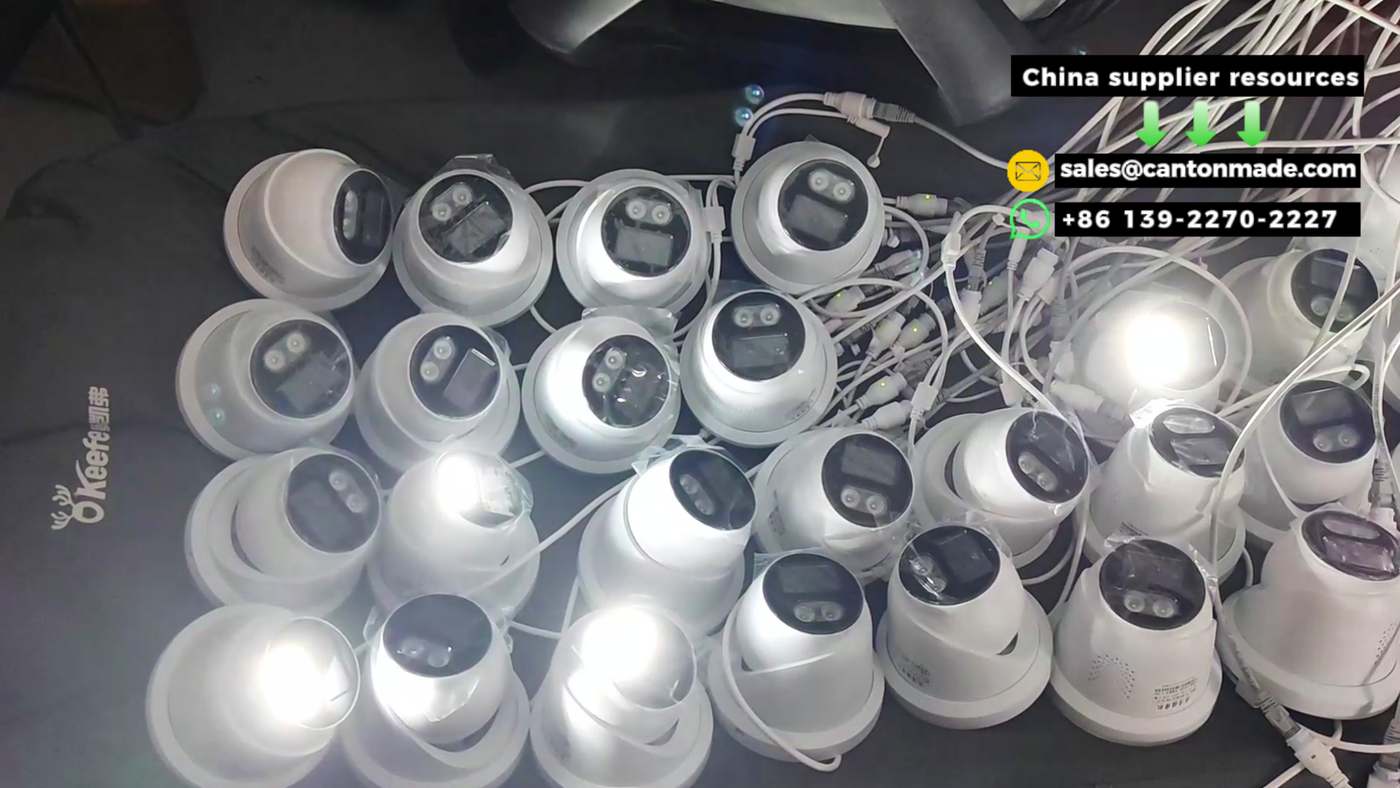
One box containing a switch, a lock, a camera and a sample of fabric is four product types, four descriptions and usually four different HS codes. The invoice must show them as separate lines, each with its own description, quantity and unit value - and the packing list must match what a customs officer actually finds when the box is opened. “Samples, no commercial value” is not a declaration; a value has to be stated, and it should be truthful, because that figure becomes the reference when the real order is declared.
Four things break a mixed sample box:
- Line items collapsed into one (“samples, assorted”) - a query at destination, a delay, sometimes a return.
- Invoice and packing list disagreeing on quantity or model - the box gets held while someone explains.
- Declared value that is not defensible - a one-dollar declaration saves duty today and removes your leverage if the goods are faulty later.
- Products that cannot travel together - lithium batteries (UN3480 for cells, UN3481 when packed with equipment), magnets, liquids, aerosols and powders have their own routing and paperwork. A consolidator can still help, but those items usually need their own shipment; they are not added to a mixed air box by default.
Why is the factory carton not a shipping carton?
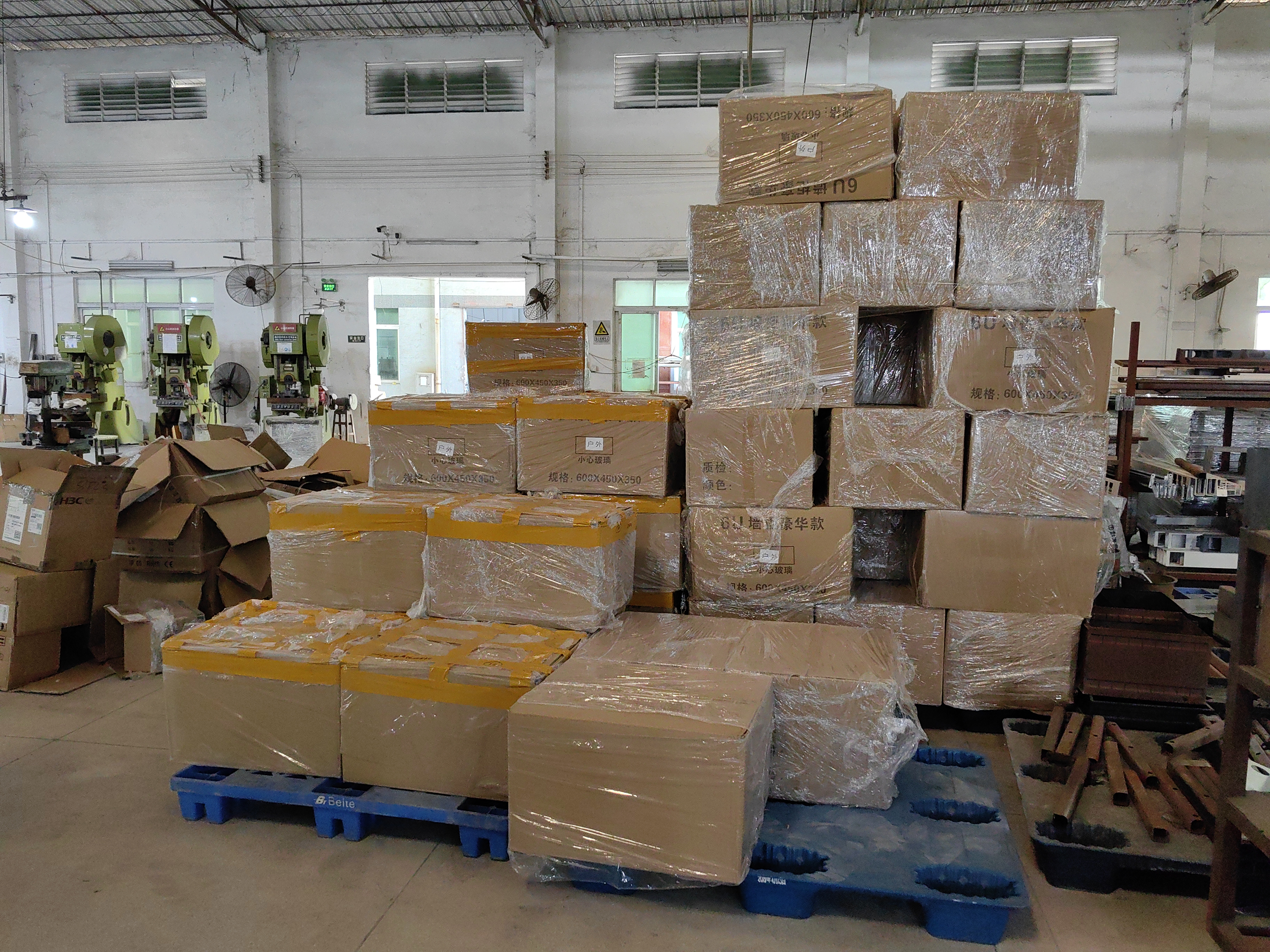
A sample is usually a single unit packed in its retail box, inside a carton designed for a full pallet load - not for a journey as a loose parcel. Two things go wrong: the unit moves, and the retail box takes the damage on its corners.
Three rules do most of the work: the retail box gets its own cushioning layer (foam, bubble or honeycomb board) rather than resting directly against the carton wall; the outer carton is two-wall rather than a reused factory box; and both the top and one side are labelled, because a parcel can land either way up. In humid months add desiccant - electronics that arrive working but damp are the beginning of a claim, not the end of one.
Courier, air or sea? Match the mode to the purpose
| What the sample is for | Mode | What decides it |
|---|---|---|
| Evaluate now, decide this week | Courier | Speed matters more than unit cost; volumetric weight still applies |
| Approval sample to be kept as the production standard | Tracked courier, box kept intact | The reference must arrive undamaged and stay identifiable |
| Client demonstration in another country | Air consolidation from Guangzhou | One consignment, one invoice, arrives together |
| Bulky or heavy samples, no urgency | Sea LCL | Cost per kg wins; time does not - do not expect sea samples in a fortnight |
The trap in every mode is volumetric weight: couriers and airlines bill the greater of actual and volumetric weight, typically length × width × height in centimetres divided by 5,000 or 6,000 depending on the carrier. A light, bulky sample can therefore cost more than a dense one twice its weight - which is why the warehouse measures cartons before repacking, not after.
Do not let consolidation become storage
Free storage exists to solve a timing problem, not to become a warehouse. Our Guangzhou facility holds consolidated goods for up to 30 days at no charge - enough for Phase 2 samples to wait for Phase 3 and leave as one consignment, and enough for a repack without rush. Past that point the samples are not being consolidated, they are being postponed, and the suppliers waiting for an answer have moved on to the next buyer.
Send Us the Supplier List
If you have a shortlist from the fair, send it with the models and quantities - we will issue one sample request carrying a single Guangzhou receiving address, collect during the factory visits, photograph and register every unit on arrival, repack and ship one consignment with an invoice your customs broker can actually use. Warehousing and consolidation covers the facility; contact us to start with the list.