Ordering from China for the first time is intimidating: a foreign country, an unfamiliar language, thousands of suppliers, and your money on the line. But millions of importers do it successfully every year — because the process, once you know it, is systematic.
Here’s the complete step-by-step for first-time importers in 2026, with the exact questions to ask and the traps to avoid.
Step 1: Prepare Your Product Brief (2-3 days)
Before contacting anyone, write a one-page brief:
- Product: name, photos, reference links
- Specifications: dimensions, materials, colors, weight
- Quality: certifications needed (CE, FCC, RoHS, UL), testing requirements
- Quantity: target order size + acceptable MOQ
- Budget: target price range per unit
- Destination: your country (affects compliance and shipping quotes)
A detailed brief does two things: it attracts serious suppliers, and it gives you something to compare quotes against.
Step 2: Find 3-5 Candidate Suppliers (3-7 days)
Use multiple channels to avoid depending on one:
- Alibaba / Made-in-China / Global Sources — search your product, filter for verified suppliers
- Trade shows — Canton Fair (April & October), industry shows in Shenzhen/Shanghai
- Sourcing agents — access vetted factory networks
- Referrals — ask other importers in your industry
Shortlist 3-5 suppliers minimum. Never negotiate with just one — you need competition to get a real price.
Step 3: Request Detailed Quotes (1 week)
Send your brief to all shortlisted suppliers and ask for a quote that includes:
- Unit price FOB (at which port?) or CIF (to which port?)
- MOQ and price breaks (500pcs? 1,000pcs? 5,000pcs?)
- Tooling/mold costs (for custom products)
- Packaging specifications
- Production lead time
- Payment terms (they’ll say 30% deposit / 70% balance — see Step 5)
- Certifications and test reports
Rule: if a quote is much cheaper than others, ask why. Cheap is either a different product, different quality, or a trap.
Step 4: Verify the Supplier (1-2 weeks — do NOT skip)
This is the step that separates successful importers from victims:
- Business license check — ask for the license photo and verify the registered name
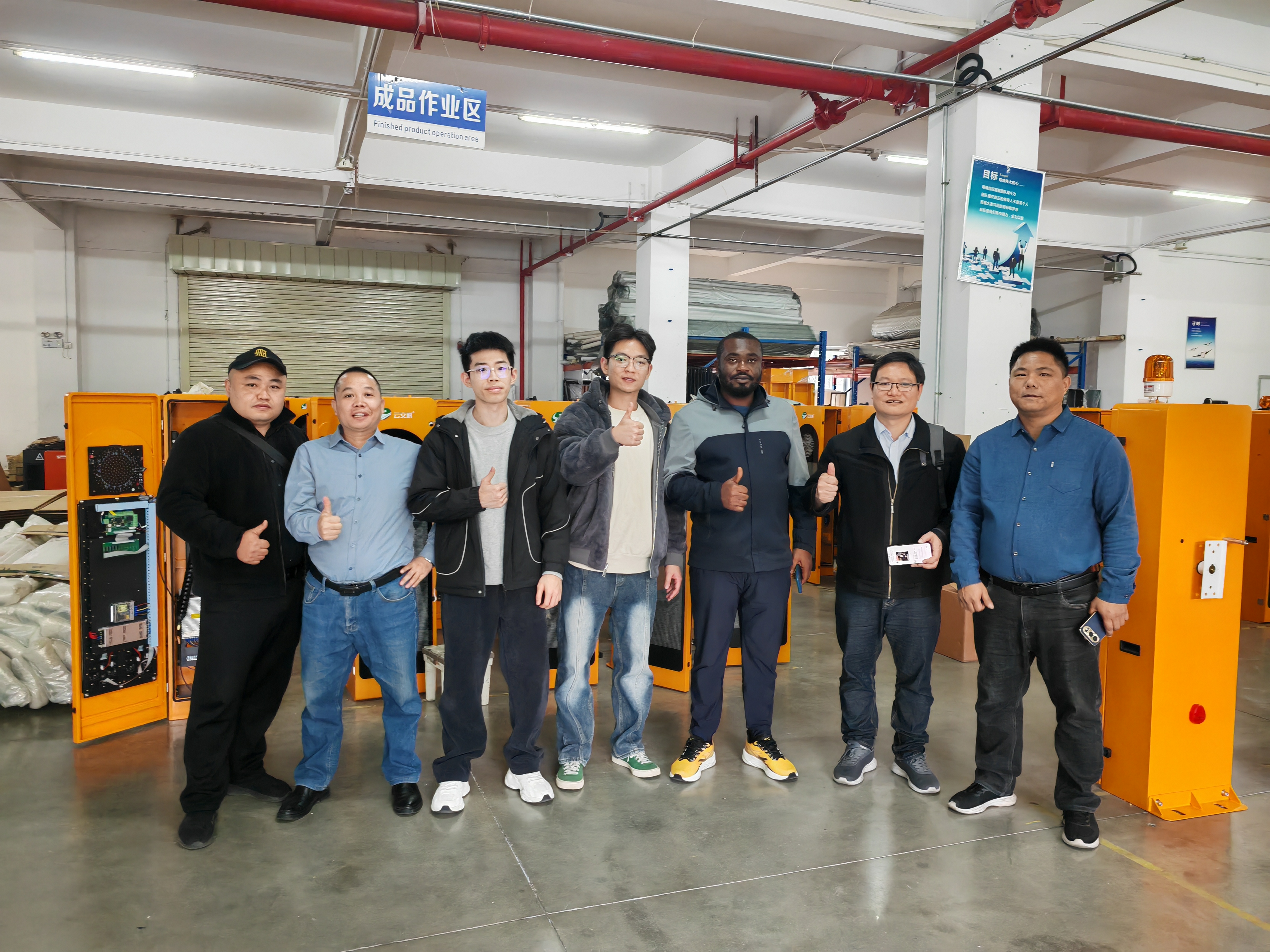
- Factory tour video call — walk the production line live; real factories are happy to show
- Export history — ask for past export records, customs declarations, or references
- Sample order — order 1-2 samples and test them rigorously yourself
- Independent check — if you have an agent or a trusted contact, have them visit on-site
If a supplier resists verification, move on. There are thousands of legitimate factories; you don’t need to gamble with the one that hides.
Step 5: Negotiate and Sign the Contract (1 week)
Standard terms to negotiate:
- Payment: 30% deposit, 70% before shipment (never 100% upfront, never a personal account)
- Delivery date: with penalty clause for delay
- Specifications: attached to the contract as an annex (this is what QC checks against)
- Quality clause: inspection rights, rework responsibility, refund terms
Use a formal purchase contract (in Chinese + English). An agent can draft and review this for you — the contract’s enforceability in China depends on getting it right.
Step 6: Production & Supervision (15-45 days)
Once production starts, don’t go silent:
- Milestones: ask for photos/videos at key stages (materials arrival, assembly, final assembly)
- Pre-shipment inspection: schedule a QC inspection (AQL 2.5 random sampling) before you release the balance payment
- Production issues: factories report problems sometimes — know how they’re fixed before accepting delays
This is where remote buyers lose control. An on-the-ground inspector (yours, or your agent’s) catches problems while they’re fixable.
Step 7: Payment Balance & Shipping (3-40 days)
- Release the 70% balance only after inspection passes
- Choose shipping: sea (LCL/FCL, 15-40 days, cheapest), air (3-7 days), express (2-5 days, samples/small)
- Arrange export customs (usually the factory or forwarder handles this)
- Track your shipment and prepare import clearance documents (invoice, packing list, CO if needed)
Step 8: Receive, Inspect, and Review
When goods arrive:
- Count and inspect against the packing list immediately
- Test samples from the shipment against your original samples
- Document any damage/defects with photos (needed for claims)
- Review the supplier’s performance — on-time? quality? communication? — decide if you’ll reorder
Every order builds your supplier intelligence. Good importers keep a scorecard: price consistency, quality consistency, communication speed.
The First-Order Checklist
- Product brief written
- 3-5 suppliers shortlisted
- Quotes compared (FOB/CIF, MOQ, lead time)
- Supplier verified (license + video call + samples)
- Contract signed with specs attached
- Deposit paid to company account (30% max)
- Production monitored (photos/videos)
- Pre-shipment inspection passed
- Balance paid, goods shipped
- Arrival inspected
When to Bring in Help
This process is a lot — and first-time importers usually have a day job. A sourcing agent compresses Steps 2-6 into a supervised pipeline: they find, verify, negotiate, supervise and inspect for you, at 5-8% commission, showing you every factory invoice.
If you’d rather focus on selling while we handle the sourcing, send us your product idea — we’ll walk you through how we’d source it. First-time importers might also find our step-by-step sourcing guide and FAQ useful before you start.